
Lijiang Environmental Protection Mobile Toilet Manufacturer
Lijiang environmental protection mobile toilet manufacturers demonstrate significant professionalism and adaptability in material selection, design, and production processes, and the industry has entered a stage of high-quality development.
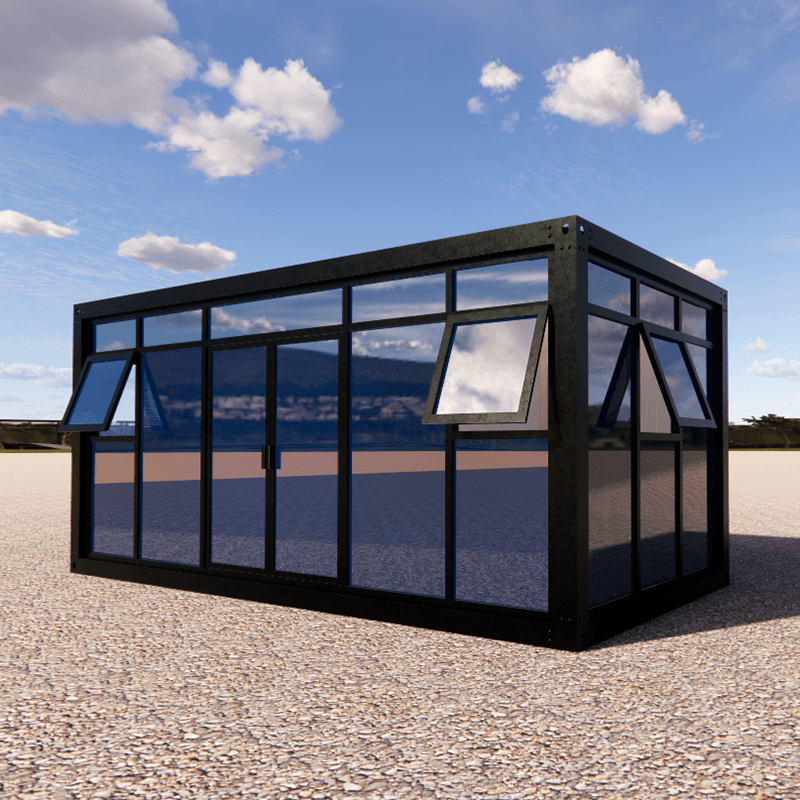
I. Excellence in Material Selection and Craftsmanship
Lijiang environmental protection mobile toilet manufacturers prioritize weather resistance, environmental friendliness, and functionality in material selection. The box materials must meet requirements such as corrosion resistance, UV resistance, and thermal insulation to adapt to the high-altitude climate characterized by strong UV rays and large temperature differences between day and night. Internal sanitary ware, pipes, and electrical components emphasize durability and ease of maintenance to ensure stable operation during high-frequency use during the tourist season. For example, some manufacturers use lightweight alloy frames, which not only reduce weight for easier transportation and installation but also enhance wind and earthquake resistance through structural optimization, balancing the needs for lightweight design and safety.
II. Specialized Design for High-Altitude Environments
The geographical climate and tourism characteristics of Lijiang impose unique requirements on mobile toilets:
- Adaptability of Sanitary Treatment Technologies: The low-temperature environment at high altitudes limits the applicability of traditional water-flushing systems. Manufacturers often adopt waterless packing, microbial degradation, or vacuum suction technologies. For instance, microbial degradation technology uses specific bacterial strains to decompose waste, eliminating the need for flushing and odors while reducing pollution to soil and water sources.
- Harmony Between Appearance and Landscape: To protect the appearance of the World Heritage site, toilet designs must avoid being obtrusive, often adopting color schemes and shapes that blend with ancient town architecture or natural landscapes to minimize visual conflict.
III. Localized Improvements in Production Processes
From demand analysis to integrated testing, Lijiang manufacturers have developed a scenario-based production process:
- Demand Analysis Phase: Identify usage scenarios (such as tourist attractions or temporary events) and pedestrian flow patterns to determine the selection of sanitary treatment technologies.
- Material and Process Selection: Prioritize materials that allow for rapid installation and disassembly to meet urgent deployment needs during the tourist season; internal components focus on modular design for easier maintenance and replacement.
- Integration and Testing Phase: Test the coordination of various units under simulated high-altitude conditions to ensure stable sanitary treatment performance under low-temperature and low-pressure conditions.
IV. Industry Trends: From Price Competition to Comprehensive Services
By 2026, the mobile toilet industry in Lijiang has moved beyond low-price competition, with enterprises capable of full-chain services including R&D, design, installation, and maintenance becoming mainstream. Some companies have integrated mobile toilets into their prefabricated housing product lines, extending upwards to core technology R&D and downwards to long-term operation and maintenance services, forming a collaborative industrial chain model. This drives the industry towards comprehensive competition in product strength, service capability, and brand power.



