Back to blog
Article
Light Steel House and Container House
Admin September 15, 2026
Light steel houses and container houses are two different forms of architecture. Light steel houses are not based on fixed container-size modules, while container houses are transformed using containers as basic units.
Light Steel House
- Structural Features: It uses hot-dip galvanized aluminum-zinc light steel as load-bearing studs, with rock wool sound insulation and thermal insulation layers filled in the walls, paired with oriented strand board structural panels. The roof is covered with antique metal tiles or terracotta tiles. The main structure has a durable lifespan of over 70 years. The product is lightweight, highly earthquake-resistant, and the walls offer sound insulation, thermal insulation, moisture resistance, and mold prevention, making it suitable for the climate characteristics of the four seasons in northern regions.
- Construction Method: Components are prefabricated in the factory and assembled on-site, reducing the construction period by more than half compared to traditional brick-and-mortar structures. The interior is pre-installed with complete strong and weak electrical systems, kitchen and bathroom fixtures, wall and ceiling finishes, underfloor heating, and air conditioning units, allowing for quick occupancy upon delivery.
- Application Scenarios: It is suitable for various scenarios such as rural self-built houses, vacation homestays, health and wellness retirement courtyards, ancient town replica residences, farm reception yards, cultural and tourism scenic area replica traditional houses, and family self-occupancy.
Container House
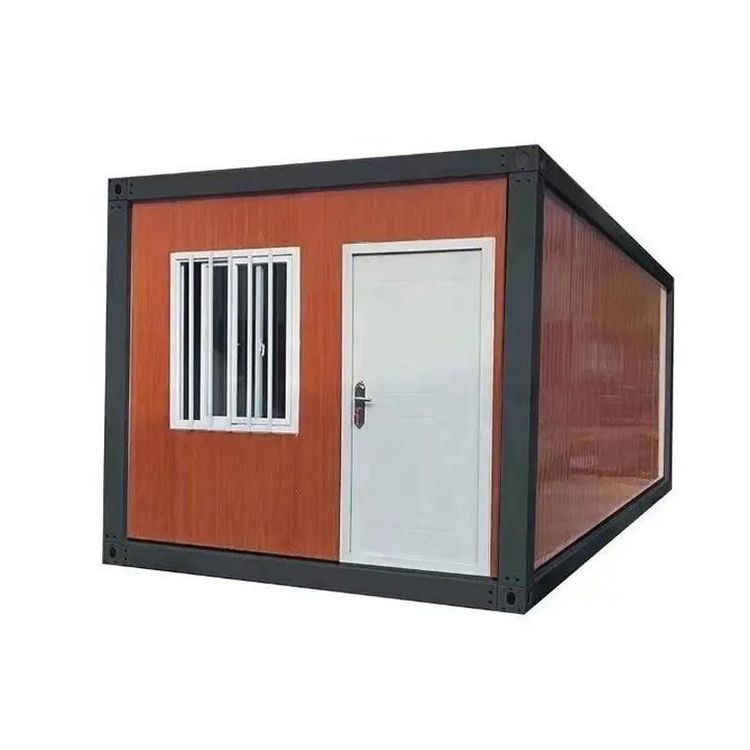
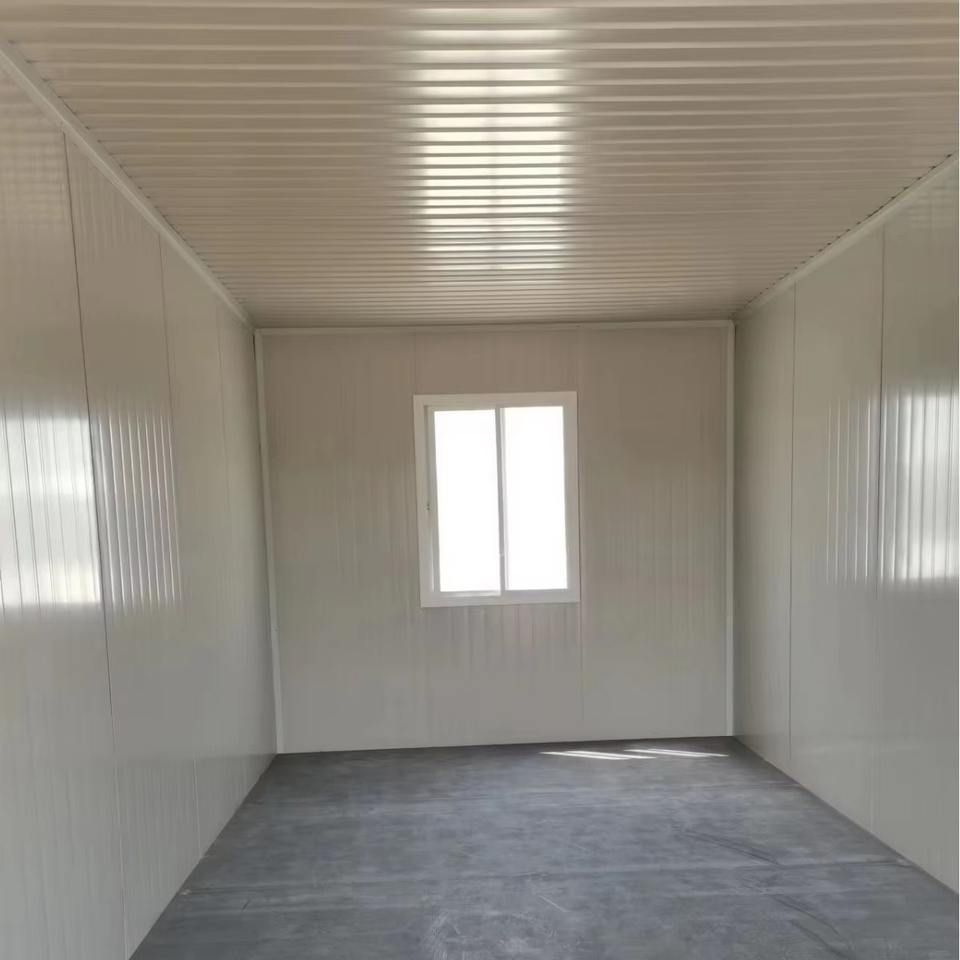
- Structural Features: It is transformed using containers as basic units, with the container body constructed using a combination of galvanized steel frames and rock wool sandwich panels. Some container houses redefine manufacturing and environmental standards through secondary design and system integration from three dimensions: structural mechanics, material thermal engineering, and assembly processes.
- Performance Advantages: They offer circular reusability, cross-border compliance, and low-carbon attributes. For example, demountable and relocatable container houses maintain good structural stability after multiple relocations, with over 60% of orders from leading manufacturers featuring products with multiple reusability capabilities. The materials are recyclable throughout their lifecycle, with low disassembly and assembly loss rates, significantly reducing construction waste compared to traditional prefabricated temporary buildings.
- Application Scenarios: They are widely used in engineering camps, cultural tourism, emergency response, and other fields. Different scenarios have varying performance requirements for container houses, such as engineering camps focusing on wind and earthquake resistance and installation efficiency, while commercial temporary spaces emphasize customization and reusability.