
Light and Heavy Steel Integrated Housing Container
The light and heavy steel integrated housing container is a modular building assembled using cold-formed thin-walled steel or light steel keels as the structural system, paired with a metal-faced sandwich panel enclosure system, and connected via bolt self-locking technology. It features lightweight strength, efficient construction, and integrated functionality. The following provides an introduction from three aspects: structure, materials, and connection methods:
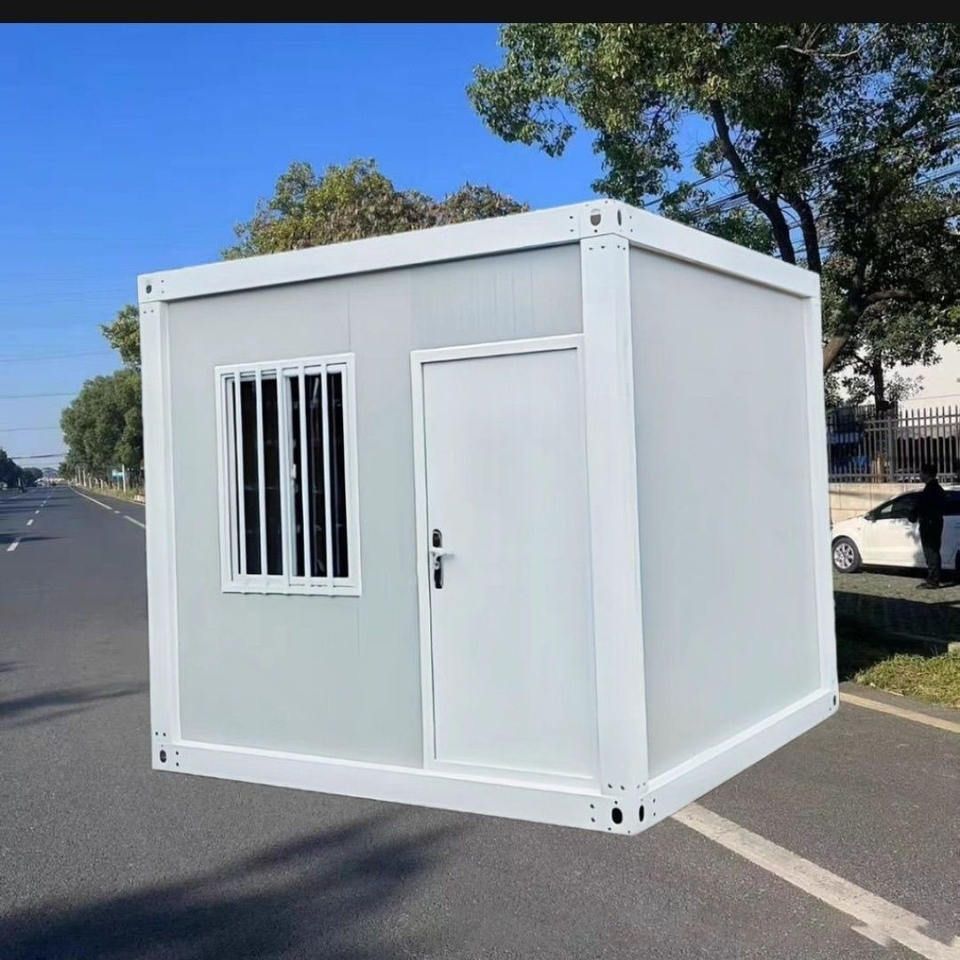
Structural System: Light Steel Keels Form the 'Skeleton'
The integrated housing uses cold-formed thin-walled steel or light steel keels as the main structural components. The steel is bent and punched into standardized parts in factories using precision equipment. By pre-designing stress points through computer simulations, the framework weighs only one-fourth of traditional brick-and-mortar structures while significantly improving wind and earthquake resistance. For example, a supplier in Tuyou Banner, Inner Mongolia, optimized steel specifications and joint designs to enable the house to withstand magnitude 8 earthquakes and typhoon-force winds of up to level 12. Factory-produced components achieve millimeter-level precision, far exceeding the error margins of traditional on-site construction, ensuring overall structural stability.
Enclosure System: Composite Sandwich Panels Enable Multi-Function Integration
Walls use metal-faced sandwich panels with an outer layer of corrosion-resistant color-coated steel and a core filled with high-density rock wool or polyurethane. This structure simultaneously provides load-bearing capacity, thermal insulation, heat insulation, waterproofing, and fire resistance: rock wool has a melting point exceeding 1000°C, while polyurethane's closed-cell structure blocks moisture penetration. Suppliers adjust insulation layer thickness based on climate data—for example, in regions with winter minimum temperatures of -20°C, they control wall heat transfer coefficients to achieve warmth in winter and coolness in summer. Some products also integrate solar panels or photovoltaic systems to further enhance energy efficiency.
Connection Joints: Bolt Self-Locking Technology Ensures Safety
Traditional buildings rely on on-site welding or pouring, which are prone to cracks and thermal bridge effects. The integrated housing uses bolt self-locking connection technology, with all metal components pre-fabricated in factories with high-strength bolt holes. On-site assembly requires only an electric wrench for tightening. This connection method has undergone laboratory mechanical testing and can release stress through minor joint adjustments during slight building settlement or wind disturbances, avoiding structural damage caused by rigid resistance. For example, a container house supplier in Hebei improved joint shear strength by 30% by optimizing bolt layout.
Additionally, the modular design of integrated housing containers supports rapid assembly and disassembly, making them suitable for temporary construction site housing, post-disaster reconstruction, tourism resorts, and other scenarios. Some products also come equipped with integrated water and electricity systems and smart control systems, offering a 'move-in ready' convenient experience.



