
Lifespan of Residential Container Houses
The lifespan of residential container houses typically ranges from 10 to 30 years, depending on factors such as quality, usage environment, and maintenance. The following is an analysis of key influencing factors:
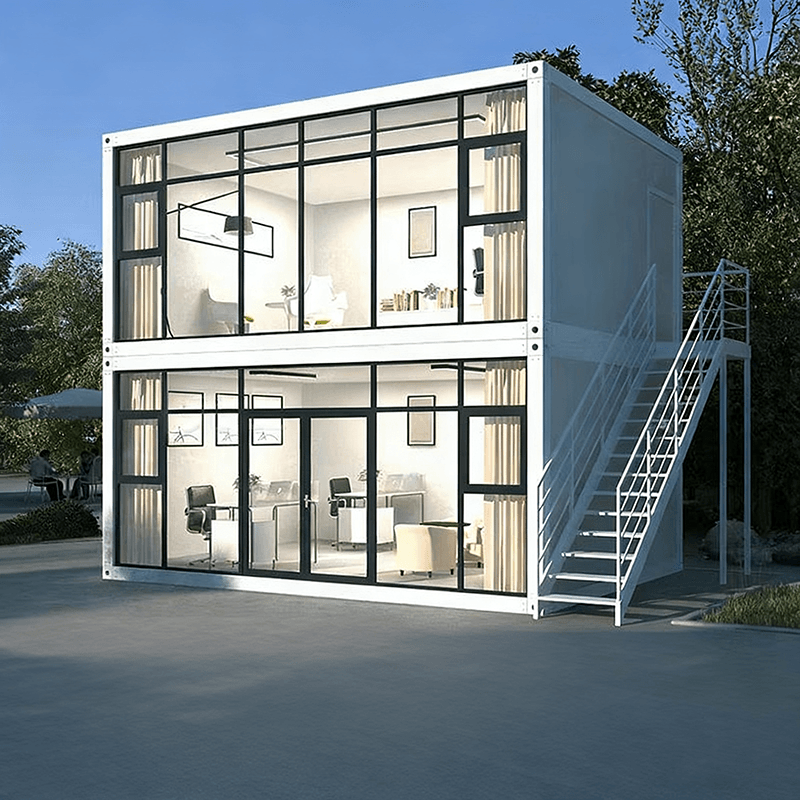
1. Quality of Container Houses
The lifespan of a container house primarily depends on its base materials and manufacturing processes. Standard shipping containers are made of corrosion-resistant steel and have a designed lifespan of up to 25 years. However, when repurposed for residential use, structural reinforcement and anti-corrosion treatments (such as spraying zinc-rich primers and polyurethane topcoats) are necessary to extend their lifespan. For example, a company in Baotou has enhanced stability by adding C-shaped steel purlins to distribute loads, allowing stacked three-story containers to remain stable. The protective system can maintain the effective lifespan of steel in harsh environments for over 15 years. Customized container houses using galvanized steel plate glass wool sandwich panels offer superior fire resistance and thermal insulation compared to foam sandwich panels, with a basic lifespan of 10 to 15 years.
2. Usage Environment
Environmental factors significantly impact the lifespan of container houses. In humid or high-salt areas (such as coastal regions), steel is prone to corrosion, necessitating enhanced waterproofing and moisture-proofing measures (such as thermal break lining structures and rubber insulation pads). Without these, the lifespan may be reduced to less than 10 years. Conversely, in dry and stable environments (such as deserts), the lifespan can be extended to 20 to 30 years. Additionally, extreme weather conditions (such as strong winds and high temperatures) can accelerate material aging, requiring structural reinforcement (such as full steel frames) to improve wind and earthquake resistance.
3. Maintenance and Upkeep
Regular maintenance is crucial for extending the lifespan. The exterior should be inspected and repainted with anti-rust paint every 2 to 3 years, while the interior requires annual inspections of plumbing, electrical, and thermal insulation systems. For instance, Qinghai Guangzan Light Steel points out that by regularly checking the water tightness of joints and replacing aging components, the lifespan of container houses can be extended to 20 to 30 years. Neglecting maintenance can lead to rust and deformation in high-quality houses within 10 years.
4. House Type and Purpose
The lifespan of different types of container houses varies greatly: simple iron sheet containers typically last less than 5 years, assembled houses can meet needs for 5 to 20 years, box-type houses usually last 8 to 15 years, specially designed ones can last up to 25 years, and light steel villas can have a lifespan of up to 50 years after professional treatment.



