
Lifespan of Fully Cement Prefabricated Houses
The design lifespan of fully cement prefabricated houses is generally 50 years, and the actual service life may exceed 70 years, depending on material quality, construction techniques, and environmental conditions. The following analysis is conducted from three aspects: technical parameters, case support, and influencing factors:
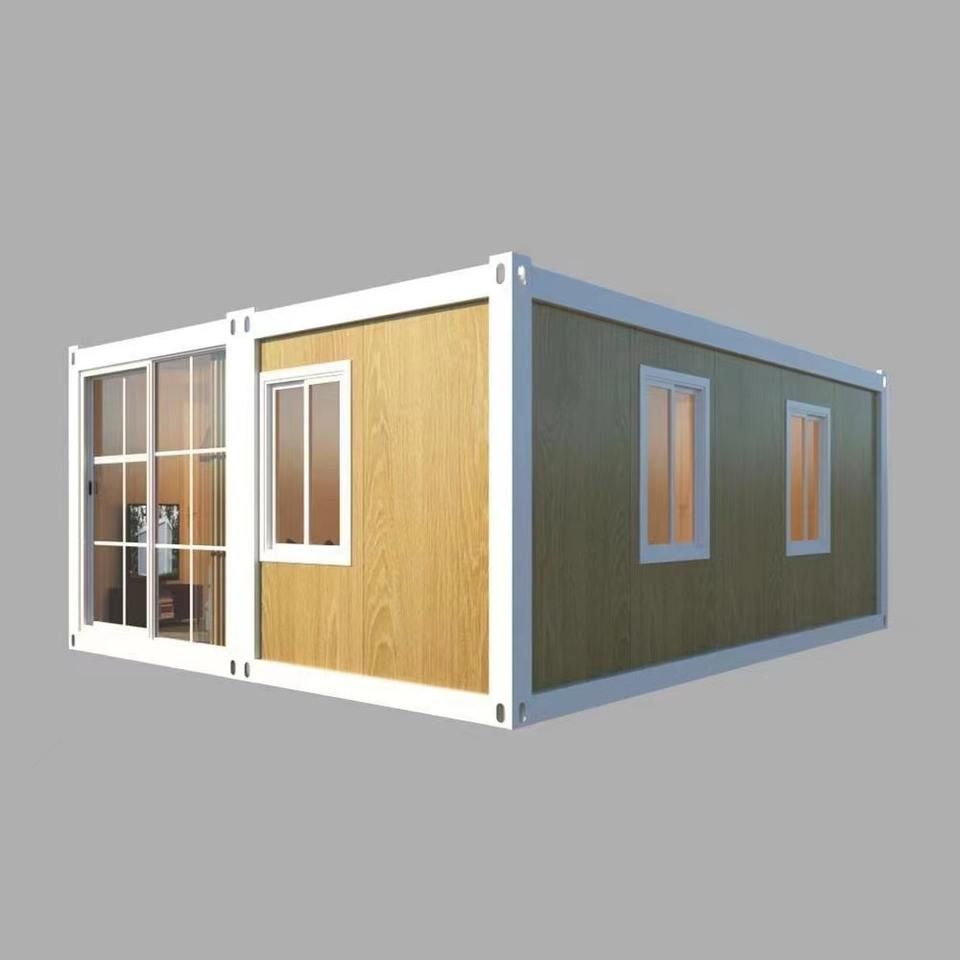
1. Technical parameters provide a foundation for long lifespan
The core components of fully cement prefabricated houses typically employ a composite structure of high-grade concrete (such as C30-C40) and steel mesh (Φ8-Φ12), with a compressive strength of 25-30MPa, significantly higher than the standard for ordinary building concrete. The wall thickness is designed to be 150-200mm, and the floor thickness is 100-120mm, enhancing overall load-bearing capacity by increasing structural cross-sectional dimensions. The connections between modules are reinforced with a dual system of prestressed bolts and welded steel plates, with a single-point tensile strength of up to 20 tons, effectively resisting external forces such as earthquakes and wind loads, and reducing the risk of structural deformation. These technical parameters collectively form the physical basis for the durability of the house, ensuring its long-term stability under normal use conditions.
2. Actual cases verify the lifespan range
According to engineering practice data, houses built with prefabricated panels can have a normal service life of 40-50 years without significant external factors (such as geological disasters or human-induced damage). Fully cement prefabricated houses, due to their optimized material ratios and connection techniques, have an extended design lifespan of 50 years, with actual cases even recording structures remaining intact for over 70 years. For example, some early-built prefabricated houses, under regular maintenance, have key indicators such as concrete carbonation depth and steel reinforcement corrosion levels that have not reached thresholds threatening structural safety, confirming their long lifespan characteristics.
3. Key influencing factors require focused attention
Material quality is the core factor determining lifespan: low-grade concrete or inferior steel reinforcement can accelerate structural aging, leading to issues such as cracks and spalling; construction techniques directly affect connection reliability, with insufficient bolt pre-tensioning or welding defects potentially causing localized stress concentrations; among environmental conditions, humidity, salt spray, or freeze-thaw cycles can accelerate concrete deterioration and steel reinforcement corrosion, shortening the actual service life of the house. Therefore, strict quality control, standardized construction operations, and regular maintenance (such as waterproofing treatments and crack repairs) are necessary to ensure the realization of the design lifespan.



