
Lide Mobile Toilet and Shower Room
Currently, there is no detailed public information directly about the 'Lide Mobile Toilet and Shower Room', but a general analysis can be made from the common design, functional characteristics, and industry applications of combined mobile toilets and shower rooms.
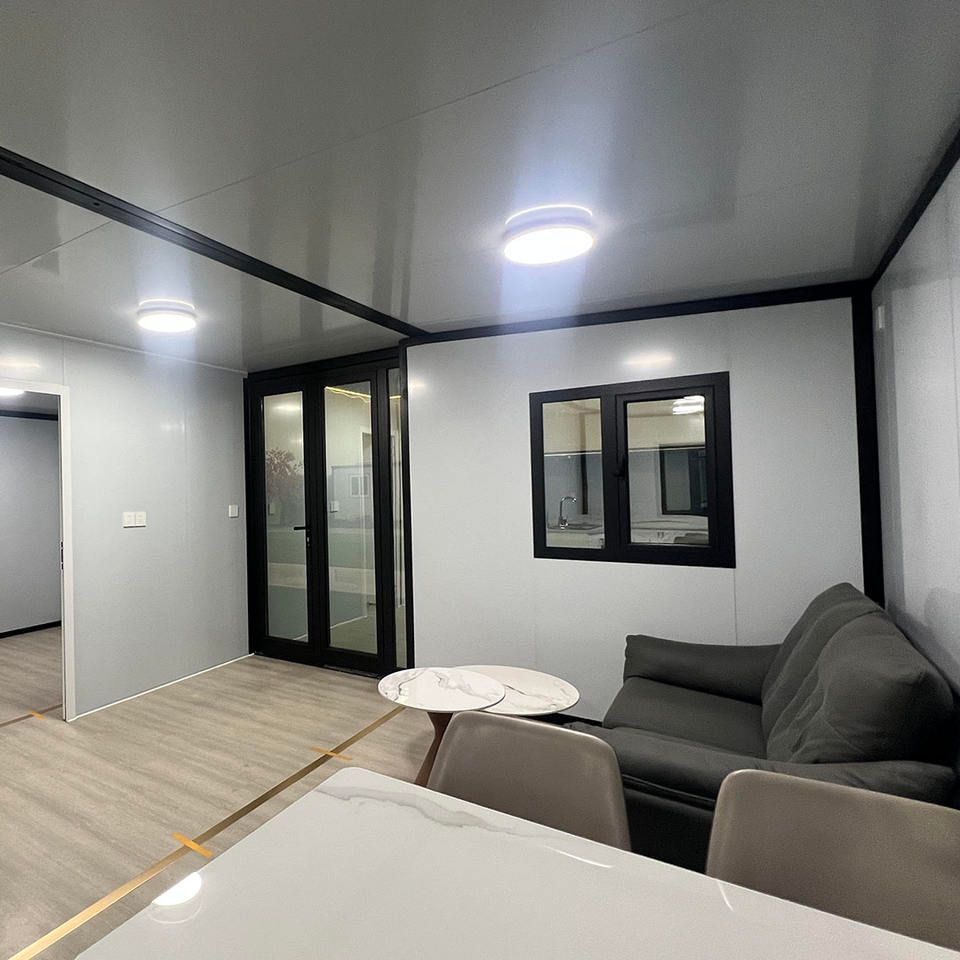
The design combining mobile toilets and shower rooms is typically aimed at meeting people's toilet and bathing needs in temporary or mobile settings, commonly seen in outdoor activities, emergency rescue operations, and construction sites. These facilities generally feature modularity, mobility, and ease of installation, enabling rapid deployment and use according to actual requirements.
From a functional design perspective, mobile toilet and shower rooms usually have a reasonable division between the toilet area and the bathing area to ensure that the two functional areas do not interfere with each other. The toilet area is equipped with standard sanitary facilities such as toilets or squat pans, sinks, etc., while also emphasizing ventilation and deodorization design to maintain fresh indoor air. The bathing area is equipped with showerheads, drainage systems, and necessary shelves for bathing supplies. Some high-end models may also be equipped with hot water supply systems to enhance user comfort.
In terms of material selection, mobile toilet and shower rooms often use lightweight, durable, and waterproof materials such as stainless steel, aluminum alloy, or special plastics to ensure that the facilities are not easily damaged during long-term use and are easy to clean and maintain. Additionally, to improve the thermal insulation performance of the facilities, some products also add insulation layers to the walls or roofs to ensure normal use in cold environments.
From an industry application standpoint, mobile toilet and shower rooms have been widely used in various temporary or mobile settings. For example, at large-scale outdoor music festivals and sports events, they can provide convenient sanitation and bathing services for audiences and staff; at emergency rescue sites, they can quickly set up temporary living facilities to meet the basic living needs of affected people.



