
Liaoyuan Rural Renovation Mobile Toilets
The Liaoyuan rural renovation mobile toilet project is underway, selecting appropriate models and technologies based on local conditions, and focusing on the structural design and functional improvement of mobile toilets.
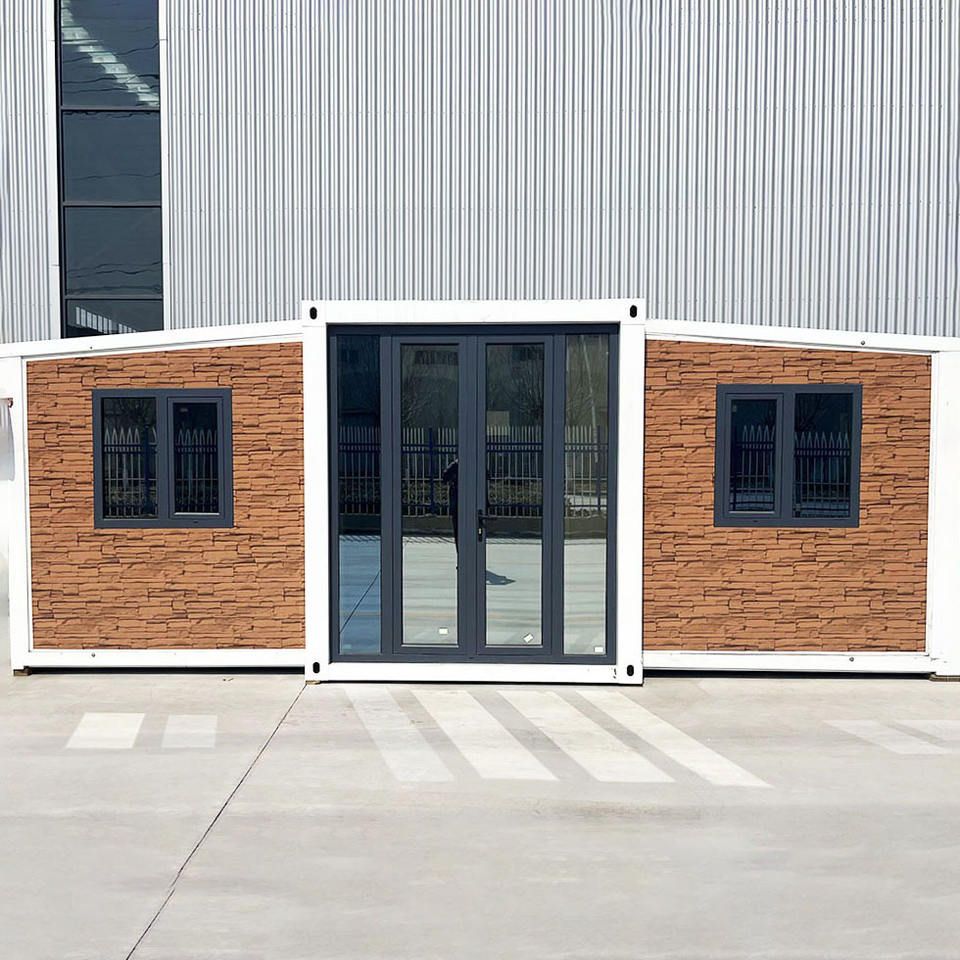
I. Project Progress and Model Selection
The Liaoyuan rural renovation mobile toilet project adheres to the core principle of "adapting measures to local conditions and promoting classification." For example, in the 2024 rural household sanitary toilet renovation projects in Nantunji Town and Sanhe Township, Dongfeng County, appropriate toilet renovation models were selected based on the terrain, production, and lifestyle conditions of different villages. Specifically, water-flush toilets were adopted in southern areas with concentrated populations and sewage pipeline coverage, utilizing existing pipelines for centralized sewage treatment. In contrast, deep-buried three-compartment septic tank toilets were used in northern high-altitude and low-temperature areas, addressing winter freeze prevention through underground burial and sealed structures, while achieving harmless treatment of feces through anaerobic fermentation technology.
II. Technological Advantages of Mobile Toilets
The core advantages of mobile toilets lie in their flexibility and efficiency. They can be rapidly deployed to locations where they are needed (such as gatherings, construction sites, etc.) and removed after the event, avoiding long-term occupation of public space by fixed toilets. Technologically, modern mobile toilets integrate various sanitary treatment systems:
- Circulating water-flush type: Achieves water resource recycling through filtration and disinfection technologies, reducing water consumption;
- Microbial degradation type: Utilizes specific bacterial colonies to decompose feces into harmless substances, eliminating the need for frequent removal;
- Packaging type: Uses biodegradable bags to collect excreta, with direct bag replacement for easy cleanup, suitable for areas without water and electricity.
These technologies effectively reduce odors and pollution while lowering subsequent maintenance costs.
III. Structural Design and User-Friendly Features
The structural design of mobile toilets balances durability and practicality. The main body is constructed from high-strength, corrosion-resistant materials (such as fiberglass or stainless steel) to ensure long-term use without deformation. Independent compartments provide privacy, with internal configurations including handrails, hooks, and storage shelves to enhance convenience. Additionally, some toilets feature barrier-free compartments equipped with low-positioned sinks and emergency call buttons to meet the needs of individuals with mobility impairments. Lighting and ventilation systems (such as natural ventilation or small exhaust fans) further optimize the user experience, ensuring fresh indoor air.



