
Liaoyuan Craft Mobile Toilet
Liaoyuan craft mobile toilets are characterized by durable materials, customizable functions, environmental protection, energy efficiency, and strong scene adaptability. Combined with standardized after-sales support, they can meet diverse scene requirements.
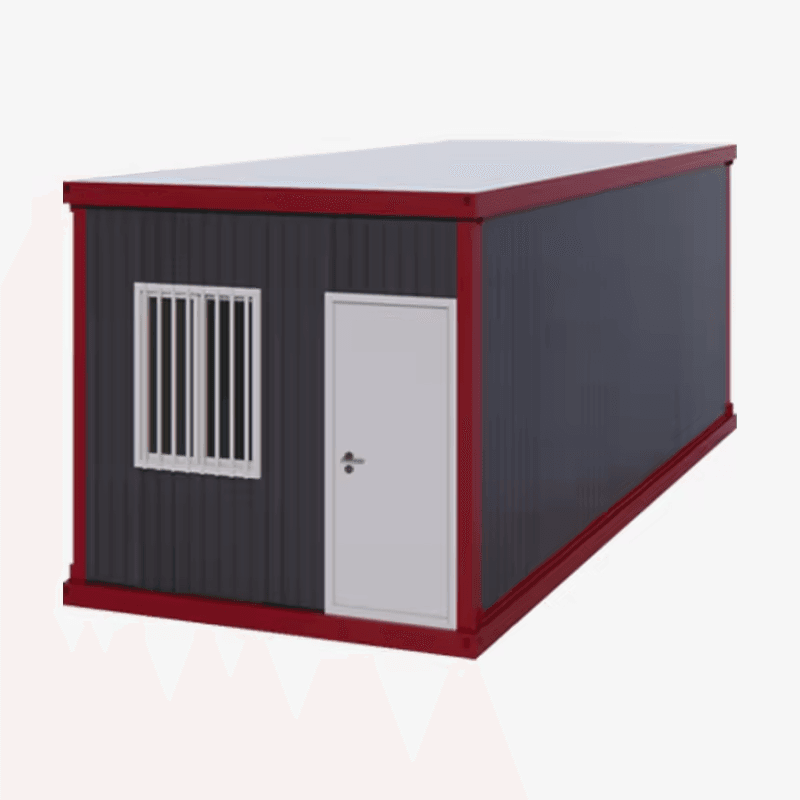
Materials and Craftsmanship: Emphasis on Durability and Rust Prevention
The framework of craft mobile toilets typically uses galvanized steel pipes (thickness 1.2mm-2.0mm), ensuring structural flatness through welding processes and undergoing rust prevention treatment to extend service life. Wall panels often select insulated rock wool sandwich panels, balancing thermal insulation and fire resistance. Some high-end models support material customization, such as using metal carved panel finishes to enhance aesthetics or incorporating hollow glass windows to improve lighting and ventilation, adapting to different environmental needs.
Functional Segmentation: Scene-Based Customization to Meet Special Needs
According to usage scenarios, craft mobile toilets can be customized with various functional modules:
- Barrier-free models: Equipped with ramps, handrails, and low-positioned sinks to facilitate use by individuals with mobility impairments;
- Maternity and child models: Integrated with nursing stations, children's toilets, and safety seats to meet parenting needs;
- High-altitude and cold region models: Adopting double-layer insulation structures and freeze-proof piping to ensure normal operation in low-temperature environments.
Additionally, manufacturers offer on-site measurement, drawing refinement, and non-standard size customization services to adapt to flexible deployment needs in construction sites, scenic spots, municipal areas, and other scenarios.
Environmental Protection Technologies: Water Circulation and Material Recycling to Reduce Pollution
Craft mobile toilets reduce environmental impact through technological integration:
- Water circulation systems: Built-in biodegradation devices or water circulation treatment systems enable on-site conversion of waste, reducing reliance on underground sewage networks;
- Energy-saving designs: Solar-powered models utilize photovoltaic panels to maintain lighting and ventilation, with some high-end models equipped with rainwater collection devices to form a micro water circulation system;
- Material recycling: Metal components have a recycling rate exceeding 90% after disposal, with some models using recycled plastics for partition boards, promoting closed-loop resource utilization.
Scene Adaptation: Combining Flexible Deployment with Centralized Treatment
Craft mobile toilets are suitable for short-term gatherings, construction projects, tourist attractions, and other scenarios:
- Construction sites can relocate with project progress, avoiding repeated construction;
- Ecologically sensitive areas use non-permeable models to prevent water pollution;
- Multiple units can form temporary sanitation stations, with waste treated centrally by septic tank trucks, creating a flexible system of “decentralized use-centralized treatment.”
After-Sales Support: Standardized Processes Ensure Delivery Quality
Reliable manufacturers typically provide standardized after-sales processes, clarifying warranty terms (e.g., 5-year warranty for frameworks, 3-year warranty for wall panels) and committing to on-time delivery. Some manufacturers ensure production quality through “strict quality control at each process step,” with case studies covering target regions to provide users with referenceable real-world application effects.



