
Liaoyang Multi-Person Portable Toilet
The rental service for multi-person portable toilets in Liaoyang is centered around a systematic service chain, integrating modular design, scenario-based configuration, and differentiated technical parameters to provide flexible deployment and operational support for temporary sanitation solutions. The core features and implementation points are as follows:
1. Systematic Service Chain Ensures Full-Process Closure
The service covers four key stages: waste collection, storage, transportation, and terminal treatment. Collection devices are designed to prevent leakage and odor diffusion, ensuring hygiene and safety. Storage units dynamically match capacity with cleaning frequency to avoid overflow risks. Transportation relies on compliant specialized vehicles that connect with Liaoyang's local sewage treatment systems or ecological degradation facilities for harmless treatment. For example, in construction site scenarios, the frequency of fecal waste removal needs to be adjusted according to work intensity to avoid disrupting construction progress.
2. Modular Design Adapts to Climate and Transportation Needs
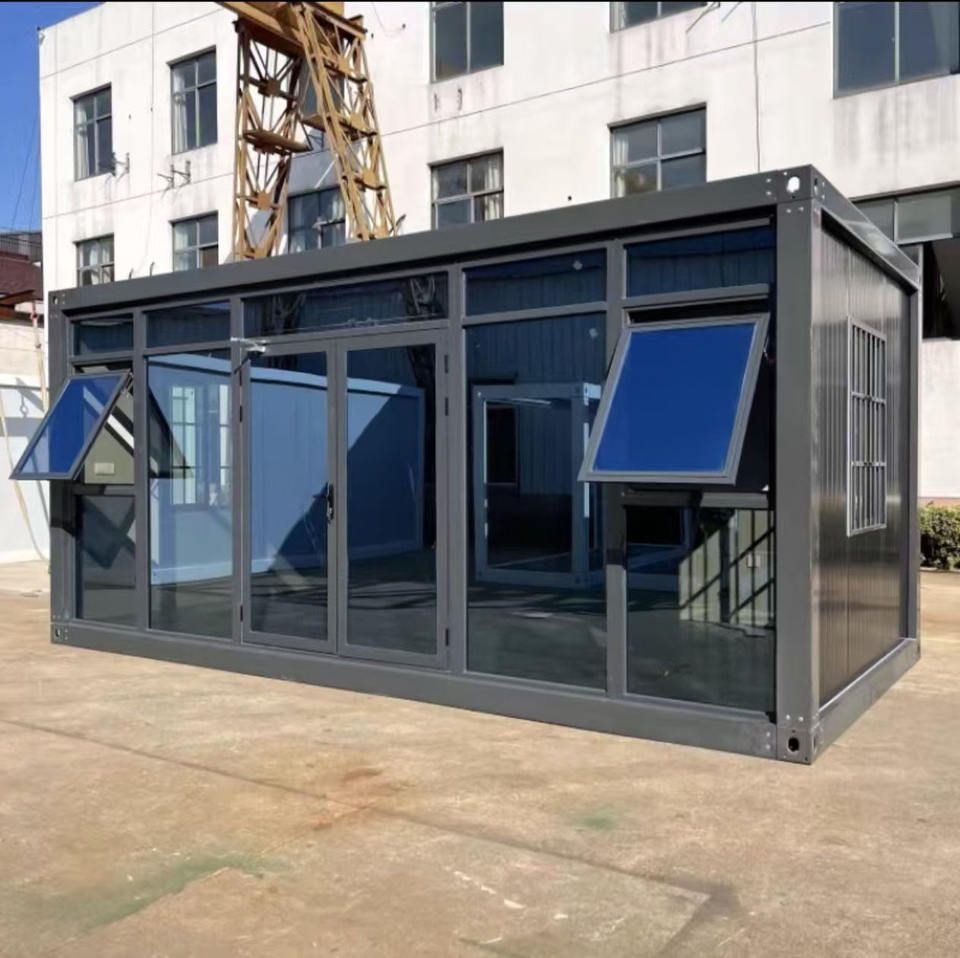
The equipment adopts prefabricated modular structures, supporting rapid transportation and on-site assembly to shorten deployment cycles. Given Liaoyang's temperate monsoon climate, some units are equipped with insulated enclosures and controllable vents: in winter, insulation reduces heat loss and lowers the risk of pipe freezing; in summer, vents enhance air circulation to suppress odor generation. Modular design also supports functional expansions, such as adding barrier-free access or baby care stations, improving inclusivity.
3. Scenario-Based Configuration Optimizes Resource Allocation Efficiency
- Large Event Venues: The number of units is calculated based on instantaneous foot traffic, typically allocating one toilet per 50-100 people, and concentrated near entrances, rest areas, and other high-traffic points. Aesthetic panels can be selected to align with event themes.
- Construction Sites: High-strength materials are prioritized to withstand harsh conditions; unit placement is close to work areas with reserved space for cleaning vehicles to ensure timely waste removal.
- Temporary Markets/Agricultural Tourism Areas: Lightweight, movable units are used to minimize site damage, while standardized sanitation units reduce disease transmission risks.
4. Differentiated Technical Parameters Meet Diverse Needs
- Flushing Systems: Two options are available: water-saving mechanical flushing (≤4L per use) and foam-sealing flushing (over 60% water savings), with the latter using foam coverage to suppress odors, suitable for water-scarce regions.
- Waste Tank Capacity: Dynamically calculated based on usage duration and foot traffic, e.g., a 1m³ tank is needed for 50 people over 8 hours, with cleaning frequency controlled at 1-2 times daily.
- Additional Modules: Optional additions include washbasins, air conditioning systems, or smart monitoring devices to enhance comfort and operational efficiency.
5. Operational Support System Ensures Long-Term Stability
Service providers are required to offer regular cleaning and disinfection, consumable replenishment (e.g., toilet paper, hand soap), fecal waste removal, and emergency maintenance services. For example, companies like Jinhua Xin'an Steel Structure Engineering Co., Ltd. can implement twice-daily inspection plans and maintain backup equipment to handle sudden failures, ensuring service continuity.
Users can obtain service provider information through local municipal platforms, event organizers, or environmental enterprise directories, focusing on verifying technical parameters, layout plans, and operational plans to select the most suitable solution for their scenario needs.



