
Liaoning Auto Show Portable Toilet Rental
Renting portable toilets for the Liaoning Auto Show requires comprehensive consideration of factors such as type selection, rental process, cost planning, placement and maintenance, and environmental coordination to ensure convenience and orderliness at the event site.
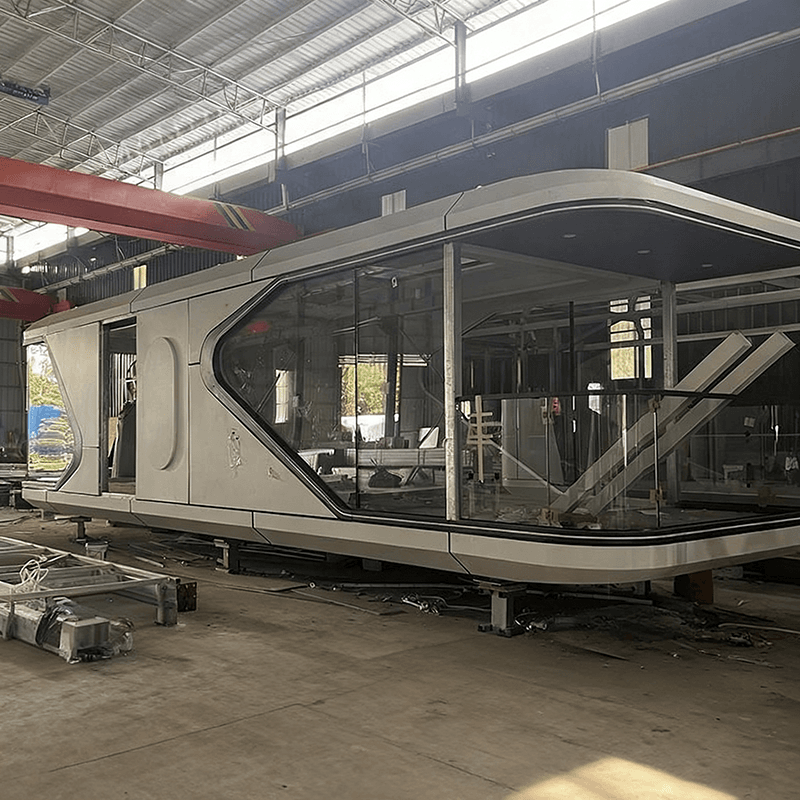
1. Types of Portable Toilets and Suitable Scenarios Portable toilets are divided into single-unit, multi-pit row-type, and barrier-free dedicated toilets. Single-unit toilets are suitable for areas with low foot traffic, such as the periphery or rest areas of the auto show. Row-type toilets are suitable for densely populated areas like the main exhibition area, reducing queuing time. Barrier-free toilets need to be equipped with handrails, low-positioned sinks, and other facilities to meet the needs of special groups. Some toilets are also equipped with basic facilities such as sinks and mirrors to enhance the user experience.
2. Rental Process and Key Considerations Before renting, it is necessary to estimate the foot traffic based on the scale of the auto show and configure the number of toilets at a ratio of 0.5-1 per hundred people. The specific arrangements for usage time, location, and the delivery, installation, and removal of the equipment need to be clarified. It is crucial to confirm the cleaning and maintenance methods, including whether regular cleaning is provided, the frequency of waste disposal, and the qualifications of the service provider, to avoid sanitation issues affecting the event's image.
3. Cost Composition and Optimization Suggestions Rental costs are influenced by the rental period, type, and quantity. For short-term rentals (within 3 days), the unit price is approximately 500-1000 yuan per toilet, with discounts available for long-term rentals. Additional services such as cleaning, transportation, and installation may incur additional fees. It is necessary to clarify the cost details with the service provider in advance and sign a written contract to avoid disputes.
4. Placement and Maintenance Management Points The toilets should be placed in a conspicuous location away from the main thoroughfare, with a flat ground to ensure installation stability. In terms of maintenance, dedicated personnel should be arranged to check the sanitation status daily and promptly replenish consumables such as toilet paper and hand soap. Special attention should be paid in extreme weather conditions: enhance ventilation in high temperatures and use insulation materials or heating equipment in cold temperatures to prevent pipe freezing.
5. Environmental Protection and Sanitation Standards Modern portable toilets mostly adopt water-saving flushing systems or biodegradable materials to reduce water consumption and environmental pollution. Waste should be handled by a professional team in accordance with sanitation standards. The event organizer should verify the environmental protection qualifications of the service provider to ensure no leakage or odor issues.
6. Coordination with Other Services It is necessary to confirm the water and electricity access points with the venue management to ensure the normal operation of the toilets; collaborate with the security team to maintain order and avoid congestion in the toilet area; and set up clear signs on-site to guide exhibitors to quickly locate the facilities, enhancing the overall viewing experience.



