
Research and Development of Mobile Toilets in Liangshan
The research and development of mobile toilets in Liangshan focuses on four core areas: design, structure, sewage treatment technology, and environmental adaptability, to suit complex terrains and infrastructure conditions.
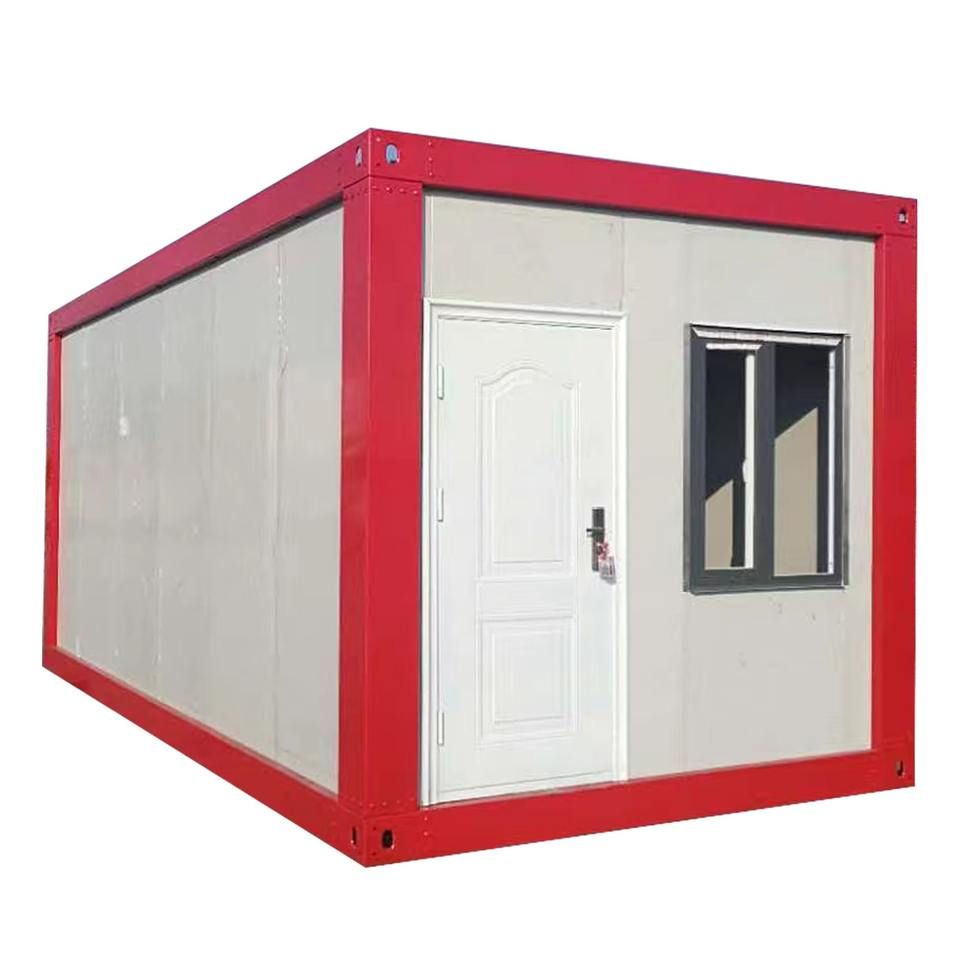
In terms of design, mobile toilets need to balance functionality and safety. Their internal space layout should be reasonably planned to ensure sufficient user activity space; floor materials should have anti-slip properties to reduce the risk of falls in rainy, snowy, or humid environments; at the same time, by optimizing lighting and ventilation systems, user comfort can be enhanced. For example, combining natural lighting with mechanical ventilation reduces odor accumulation and improves sanitary conditions.
Regarding structure, a high-strength steel frame is used to construct the main body, ensuring overall stability and resistance to wind and earthquakes. The internal isolation modes are divided into wet and dry types: wet isolation uses waterproof materials to separate functional areas, suitable for flush toilets; dry isolation uses physical barriers to divide spaces, commonly used for waterless packaging or microbial degradation toilets. The choice between the two modes depends on the specific usage scenario and sewage treatment technology requirements.
Sewage treatment technology is a key focus of research and development. Given the complex terrain and insufficient coverage of water and electricity pipelines in Liangshan Prefecture, low-dependency technologies are prioritized. Microbial degradation uses specific bacteria to decompose feces into harmless substances, requiring no flushing throughout the process; waterless packaging uses biodegradable film bags to collect waste, which are replaced periodically. Both technologies eliminate dependence on water sources and sewage pipelines, making them particularly suitable for high-altitude remote areas. Additionally, although flush and chemical treatment technologies require certain infrastructure support, they still have application value in urban areas or regions with better conditions.
Environmental adaptability design needs to address extreme conditions in high-altitude areas. For example, the exterior wall coating should include anti-UV components to prevent material aging from prolonged sun exposure; high-sealing processes should be used at panel joints to prevent rainwater infiltration; frame connection points should be designed with enhanced toughness to improve impact resistance during transportation and lifting. At the same time, the structural design should consider dynamic load factors to ensure stability during transportation on rugged mountain roads or frequent relocation, extending the service life.
In summary, the research and development of mobile toilets in Liangshan achieve a balance between functionality, environmental protection, and adaptability through multi-dimensional technological integration, providing a feasible solution for public sanitation facility construction in complex terrains.



