
Liandongli Mobile Toilet
Currently, there is no publicly available authoritative information on the 'Liandongli Mobile Toilet'. The following provides a general introduction to the common types, technical features, and development trends of mobile toilets:
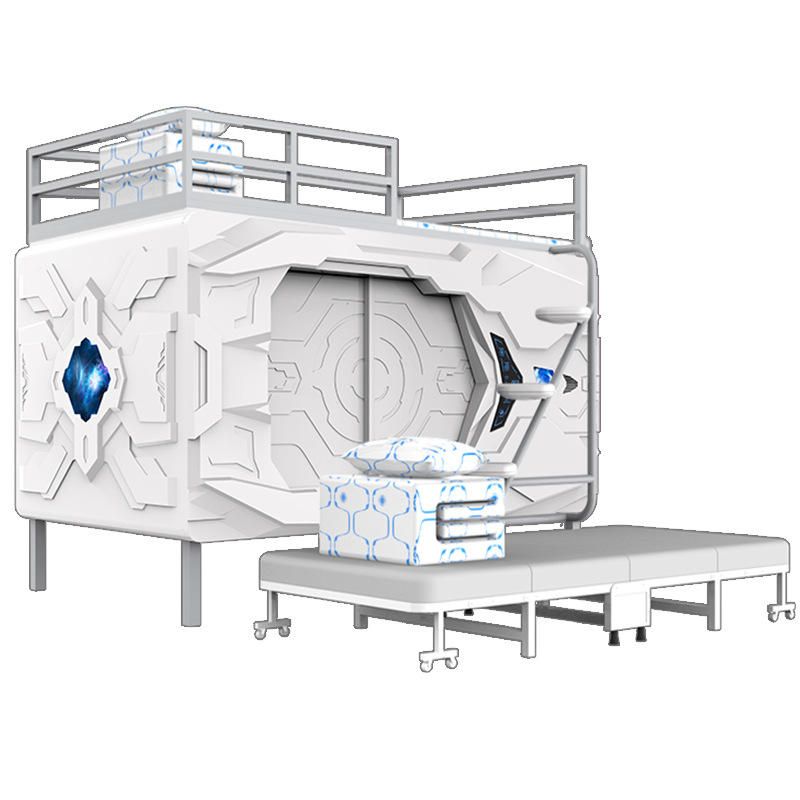
I. Common Types of Mobile Toilets Mobile toilets can be classified based on their technical principles into mechanical packaging, foam sealing, microbial degradation, and water flushing types. The mechanical packaging type uses biodegradable film to seal and package waste, eliminating the need for water flushing and making it suitable for water-scarce areas. The foam sealing type uses foaming liquid to cover the surface of waste, reducing odors and conserving water. The microbial degradation type utilizes specific bacteria to decompose waste, achieving harmless treatment. The water flushing type is similar to traditional toilets but is equipped with a wastewater collection device that requires regular cleaning.
II. Core Technical Features of Mobile Toilets
- Environmental Protection: Most mobile toilets adopt waterless or water-saving designs to reduce water consumption. For example, the foam sealing type uses only 0.2-0.5 liters of water per use, significantly less than the 6 liters used by traditional toilets.
- Convenience: Modular design supports rapid assembly and disassembly, allowing flexible deployment in temporary events, disaster relief, and other scenarios. Some models are equipped with mobile wheels or towing devices for easy transportation.
- Intelligence: Some high-end models integrate sensors and automatic control systems to monitor usage status and remaining capacity in real-time and enable remote management through IoT technology. For example, microbial degradation toilets can optimize bacterial activity through temperature and humidity sensors.
III. Development Trends of Mobile Toilets With technological advancements, mobile toilets are moving towards ecological and multi-functional directions. For example, they can be combined with solar power systems to achieve energy self-sufficiency; air purification devices can be integrated to further reduce odors; some models are also equipped with barrier-free facilities, maternal and child care stations, and other user-friendly designs. Additionally, the application of 3D printing technology may shorten production cycles and reduce costs.
For information on specific brands or models of mobile toilets, it is recommended to obtain the latest information through industry exhibitions, professional suppliers, or government procurement platforms, and pay special attention to product certifications (such as ISO environmental management system certification) and user reviews.
You may also like

Portable Toilet Eco-Friendly: MOQ, Samples & Quotation Guide
Read More
Top Portable Toilet Color Steel Manufacturers: How to Choose a Factory Partner
Read MorePortable Toilet Picture: Types, Features & Buying Tips
Read More