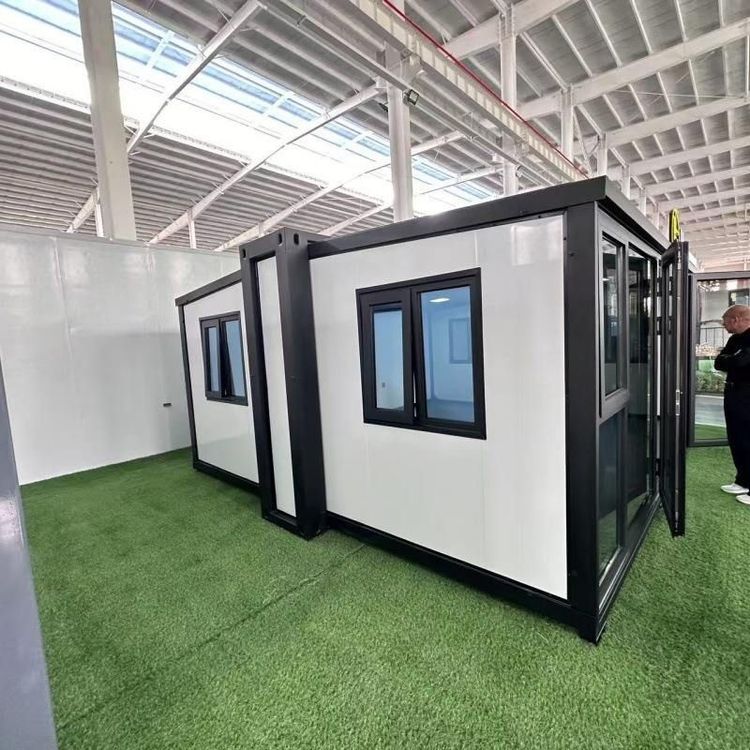
Lhasa Scenic Area Mobile Toilet
The mobile toilets in Lhasa scenic areas are eco-friendly sanitation facilities designed to cope with the unique high-altitude environment. Through technological adaptation, resource recycling, and structural optimization, they balance the needs of tourists with ecological protection.

1. Treatment Technology Adapted to High-Altitude Environments
Mobile toilets in Lhasa scenic areas use vacuum suction or minimal water flushing devices to reduce liquid involvement and lower subsequent treatment difficulty. For solid waste, given the low temperatures and low air pressure at high altitudes, high-temperature composting or biological fermentation modules are employed. In sealed containers, temperature (usually 50-70℃), humidity (50%-60%), and ventilation are controlled to promote microbial decomposition of organic matter into stable humus. This process requires no chemical additives, and the final product is odorless and harmless organic matter that can be used as a soil amendment for greening in scenic areas, achieving a closed-loop conversion from pollutants to resources. For example, some models are equipped with independent fermentation chambers, with a single treatment cycle of about 15-20 days, capable of meeting the needs of 500 people per day.
2. Resource Utilization and Low-Impact Design
The system design emphasizes adaptability to the high-altitude environment:
- Energy Utilization: Priority is given to solar power systems, supplemented by energy storage batteries to ensure normal operation at night or on cloudy and rainy days, reducing reliance on the traditional power grid.
- Low-Temperature Tolerance: Through insulation layers (such as polyurethane foam) and electric tracing devices, the equipment is guaranteed to operate stably in extreme low temperatures ranging from -20℃ to -40℃, preventing pipe freezing or reduced microbial activity.
- Low Emissions: Wastewater is treated by a membrane bioreactor (MBR) to meet the standards for reclaimed water, which can be used for toilet flushing or irrigation. Exhaust gas is filtered through activated carbon and disinfected with ultraviolet light before being discharged, reducing odor and the risk of pathogen transmission.
- Modular Transportation: The toilets adopt a detachable structure, with the weight of a single toilet controlled within 2 tons. They can be quickly deployed to remote scenic areas via flatbed trucks or helicopters, avoiding the ecological damage caused by building traditional public toilets.
3. Structural and Functional Diversity
Multiple models are provided according to the needs of scenic areas:
- Basic Model: For example, a 6-unit independent single-toilet model with a galvanized steel frame structure, equipped with waterproof asphalt shingles, stainless steel door locks, squat toilets, washbasins, exhaust fans, and ceiling lights. It can be moved easily and is suitable for short-term events or areas with high foot traffic.
- Landscape Model: En-suite toilets incorporate decorative elements such as Great Wall reliefs, with an appearance that harmonizes with the cultural theme of the scenic area. Internally, they are equipped with barrier-free facilities,母婴室 (maternity and baby rooms), and third toilets to enhance the user experience.
- Smart Model: Some high-end models are equipped with IoT sensors to monitor usage frequency, temperature and humidity, and equipment status in real-time. Through a cloud platform, maintenance plans are optimized to reduce operational and maintenance costs.
4. Supply and Service Coverage
The supply of outdoor finished mobile public toilets covers Lhasa City and the entire Tibet region, including Changdu City, Ngari City, and Nyingchi City. Suppliers offer wholesale and retail services, fast delivery (usually 3-7 days), and long-term supply services. They can also customize transportation plans according to the terrain of scenic areas (such as high altitudes and areas without roads) to ensure timely delivery of the equipment.