
Lhasa Mobile Flush Toilet
The Lhasa mobile flush toilet is an environmentally friendly sanitation facility designed specifically for the unique high-altitude environment, featuring closed-loop water treatment, cold-resistant structure, and concealed location, balancing functionality and ecological protection needs.
1. Water Treatment and Water-Saving Design
Most scenic spots in Lhasa cannot connect to the urban water supply network, so the mobile toilet adopts a closed-loop system with an independent water storage tank and wastewater collection tank. The volume of the water storage tank is precisely calculated based on the average daily usage, and the material is cold-resistant to prevent freezing in winter. The flushing system uses a booster pump to achieve low-flow flushing, strictly controlling the water consumption per flush to adapt to the low-pressure environment of the plateau, ensuring cleaning effectiveness while reducing water consumption. For example, some toilets use a closed water storage tank design, achieving flushing functionality without water through a pressure device, further reducing water dependence.
2. Sewage Treatment and Environmental Compliance
The sewage collection tank is internally treated for anti-seepage and anti-corrosion, and biological or chemical agents may be added to decompose solid waste and suppress odors. The collected sewage is regularly transferred by the management to downstream treatment facilities via dedicated vehicles, complying with environmental regulations. The sewage disposal system of mobile toilets in urban areas uses detachable collection containers or quick-connect interfaces to the municipal sewer network for flexible disposal.
3. Structural Adaptability and Maintenance
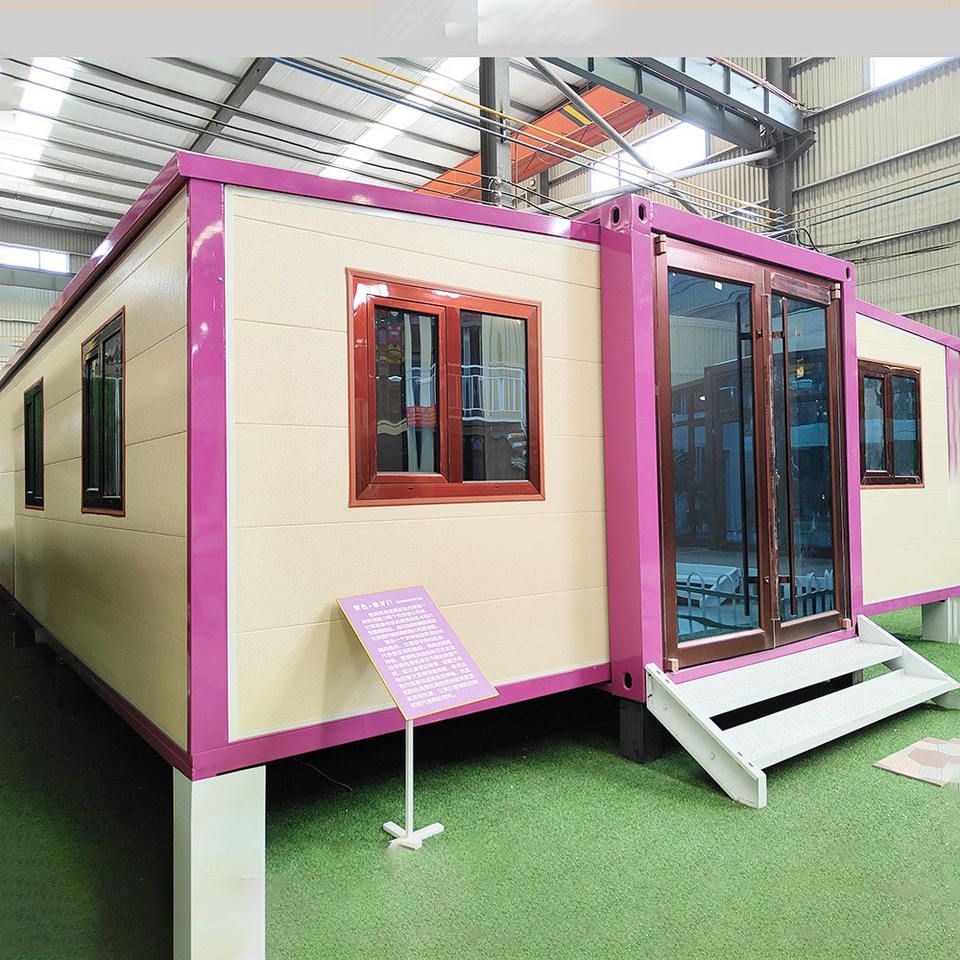
The toilet body uses insulated sandwich panels to reduce the impact of external low temperatures on internal piping. The ventilation system combines natural air ducts with mechanical exhaust to maintain air circulation, balance air pressure differences, and prevent odor accumulation and difficulty in opening doors. Long-term maintenance includes regular inspections of water storage levels, the tightness of sewage valves, flushing pressure, and the aging of vulnerable parts. During the off-season for tourism, the water in the pipes needs to be drained to prevent freezing and cracking.
4. Location and Landscape Integration
Toilet location follows the 'non-obtrusive principle,' utilizing terrain or vegetation for concealment while ensuring accessibility for tourists, minimizing visual interference with the natural landscape. The exterior uses low-saturation colors to harmonize with the surrounding environment, reflecting ecological protection concepts.
5. Diversified Energy Supply
Mobile toilets in urban areas integrate solar panels and batteries to provide energy for lighting and ventilation equipment, reducing dependence on traditional electricity and enhancing facility sustainability.



