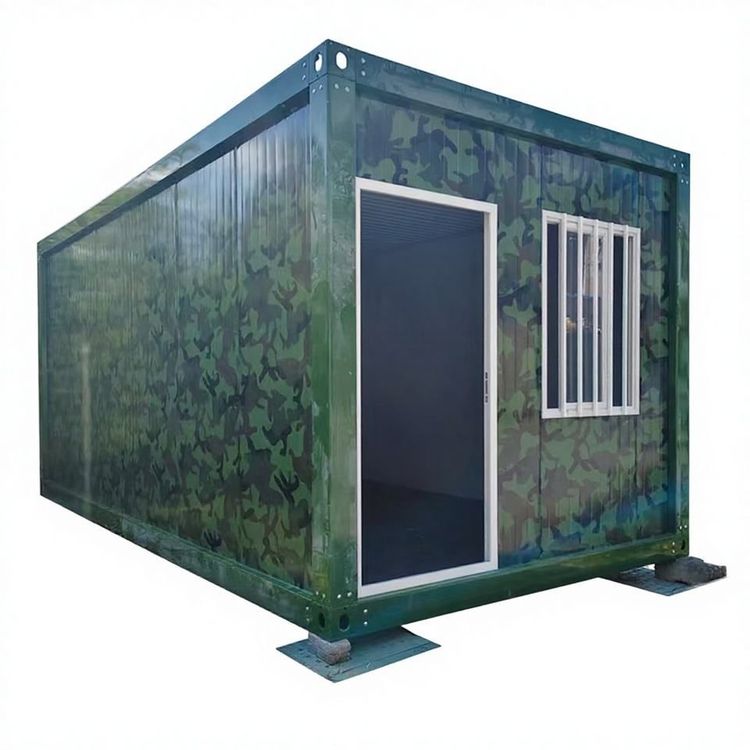
Lhasa Mobile Environmental Toilet
The Lhasa mobile environmental toilet is an independent environmental sanitation treatment system designed for the special environment of high-altitude areas, featuring core characteristics such as environmental adaptability, mobile convenience, and rapid deployment.

Technical Modules and Functional Design
The core of the Lhasa mobile environmental toilet consists of three major technical modules:
- Space Accommodation Module: Utilizing lightweight composite materials and an insulated sandwich structure, it can withstand the large temperature differences between day and night in high-altitude areas, maintaining stable internal temperatures and reducing energy consumption. The internal space is designed according to ergonomic principles, equipped with ventilation and air exchange devices to ensure air circulation and enhance user comfort.
- Waste Treatment Module: Independent of municipal sewage networks, it employs biodegradation or chemical decomposition technologies. For example, microbial agents can accelerate the decomposition of organic matter, with the resulting products meeting safety standards for discharge or resource utilization. Packaged treatment involves collecting waste in sealed containers for subsequent centralized processing, eliminating dependence on fixed facilities.
- Environmental Adaptation Module: Solar photovoltaic panels provide auxiliary energy to meet the power needs of lighting, ventilation, and other equipment. For low-temperature environments, some systems integrate insulation or heating elements to prevent the freezing of treatment media. The equipment structure is reinforced to withstand strong winds at high altitudes, ensuring stability.
Mobility and Deployment Characteristics
Mobility is achieved through heavy-duty wheels or adjustable trailer hitches, allowing for towing by conventional vehicles. The design emphasizes center-of-gravity control and structural rigidity balance to ensure stable transportation and quick fixation and leveling upon parking. Site selection focuses on temporary population gathering scenarios (such as cultural events, tourist hotspots, and construction areas), enabling deployment and operational readiness within hours, with rapid withdrawal after use to minimize long-term land occupation.
Maintenance and Logistical Support
Maintenance procedures include regular cleaning, replenishment of degradation agents or sealed bags, and removal of treated waste products, planned according to usage frequency and scale to ensure sanitary conditions meet public health standards.
Product Availability and Pricing
Two types of products are available in the Lhasa market:
- Outdoor Finished Mobile Toilets: Priced at 1,200 yuan per unit, customizable in terms of material, size, and color, equipped with squat toilets, handwashing basins, and non-slip floors. Supply covers the entire Tibet region, with a delivery time of 5 days and a minimum order quantity of 1 unit.
- Packaged Mobile Toilets: Manufacturer's quoted price starts at 98,000 yuan, with a minimum order quantity of 1 unit, suitable for scenarios with higher waste treatment requirements.