Lhasa Environmental Protection Mobile Toilet Manufacturing
The manufacturing of environmental protection mobile toilets in Lhasa involves multiple aspects such as structure, materials, design, environmental protection technologies, and adaptability.

I. Basic Structure and Materials
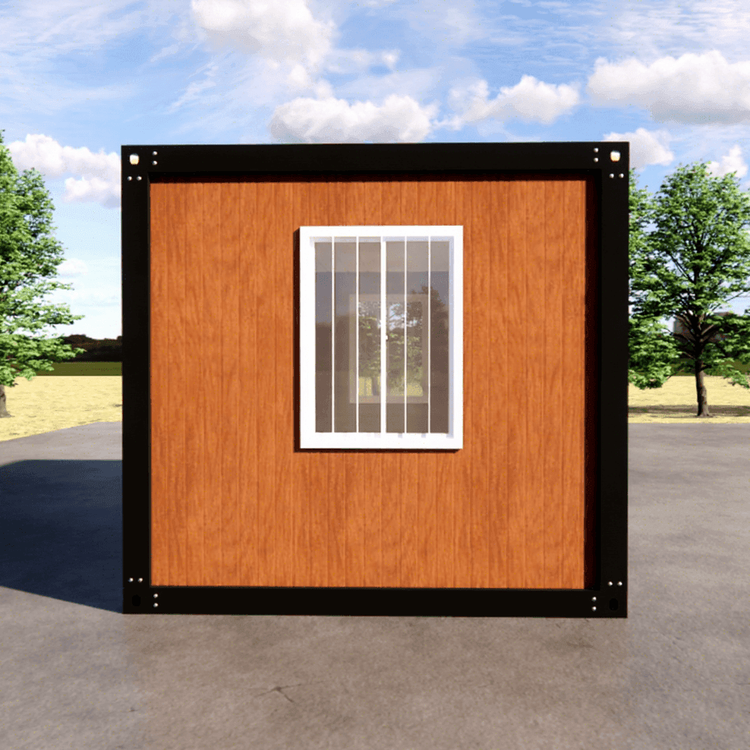
The frames of environmental protection mobile toilets in Lhasa mostly use lightweight metal materials, such as galvanized steel sheets or aluminum-zinc alloy steel sheets, providing structural strength and a foundation for rust prevention. The wall panels and roofs are mainly made of color-coated steel sheets, which are composed of a base sheet, a chemical conversion layer, and a coating system. The base sheet is galvanized or aluminum-zinc alloy steel sheet. The chemical conversion layer enhances corrosion resistance through chromate or non-chromate treatment. The coating system uses organic coatings such as polyester, silicone-modified polyester, or fluorocarbon, which are applied through roll-coating processes, endowing the sheets with properties like UV resistance, acid-alkali resistance, and heat insulation, suitable for Lhasa's environment with high UV radiation and large temperature differences between day and night.
II. Manufacturing Innovation and Assembly Process
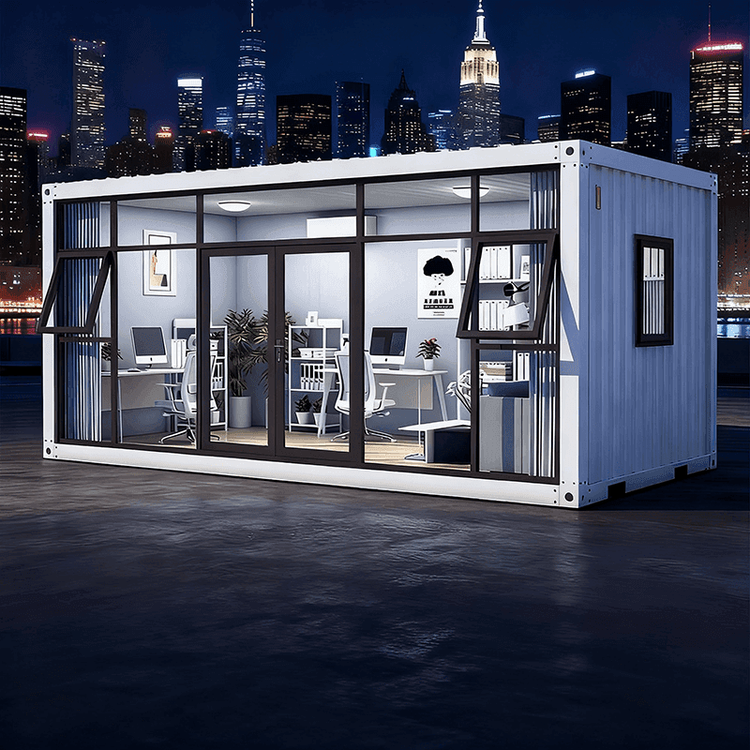
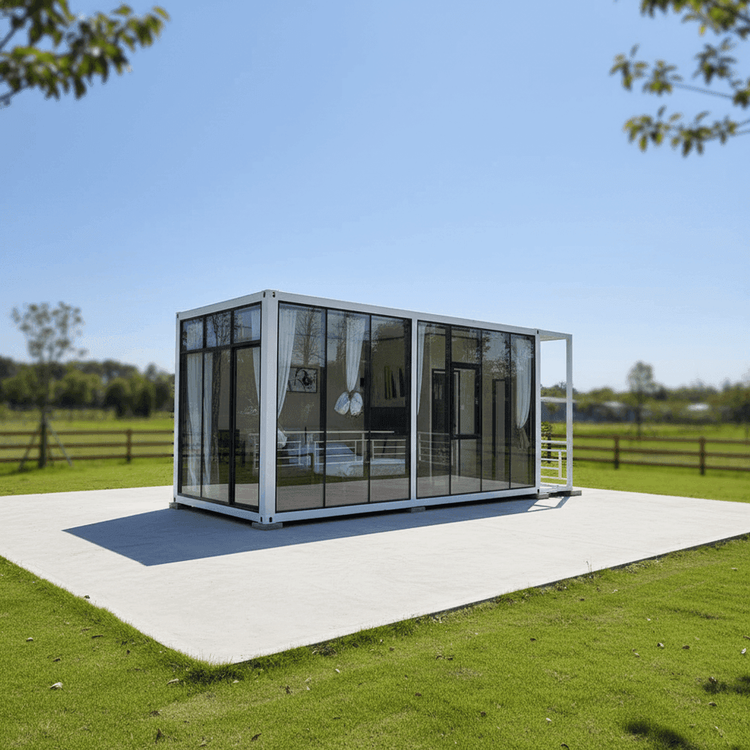
Modular design is adopted, dividing the toilet into independent functional modules such as toilet compartments, management rooms, and sewage treatment units. Piping pre-embedding, equipment installation, and interior decoration are completed in the factory, resulting in a 'semi-finished' state. During assembly, mechanical connection processes such as bolting and riveting are used instead of on-site welding, improving construction speed, reducing construction difficulties in high-altitude areas, and facilitating subsequent disassembly, reorganization, or component replacement.
III. Application of Environmental Protection Technologies
- Water-saving technology: Some designs use vacuum collection or micro-flushing technologies. The vacuum system uses air pressure differences to transport waste, with water consumption only one-tenth of traditional methods.
- Waste treatment: Integrated technologies such as biological treatment, membrane separation, or evaporation crystallization are used. For example, aerobic microbial reactors can stabilize and reduce the volume of feces; membrane separation technology deeply filters sewage, enabling water reuse or compliant discharge.
IV. Technical Adaptability Requirements
- High-altitude adaptability: Low air pressure requires adjusting the diameters of sewage and ventilation pipes and the power of fans to ensure air pressure balance.
- UV resistance enhancement: The coating needs to have higher UV aging resistance indicators to maintain appearance and functional stability.
- Anti-freezing measures: In winter, electric tracing heating insulation or the addition of environmentally friendly antifreeze is required to prevent pipe freezing.
V. Production Time and Maintenance
The production cycle is usually 10-30 days, depending on order volume, materials, and equipment. Regular maintenance and repairs can ensure the normal operation of the equipment and extend its service life.