
Lhasa Container Integrated House
Lhasa container integrated houses, centered around modular design, feature rapid deployment, adaptability to high-altitude climates, and economic and environmental friendliness. They are widely used in construction site camps, scenic area homestays, emergency support, and other fields.
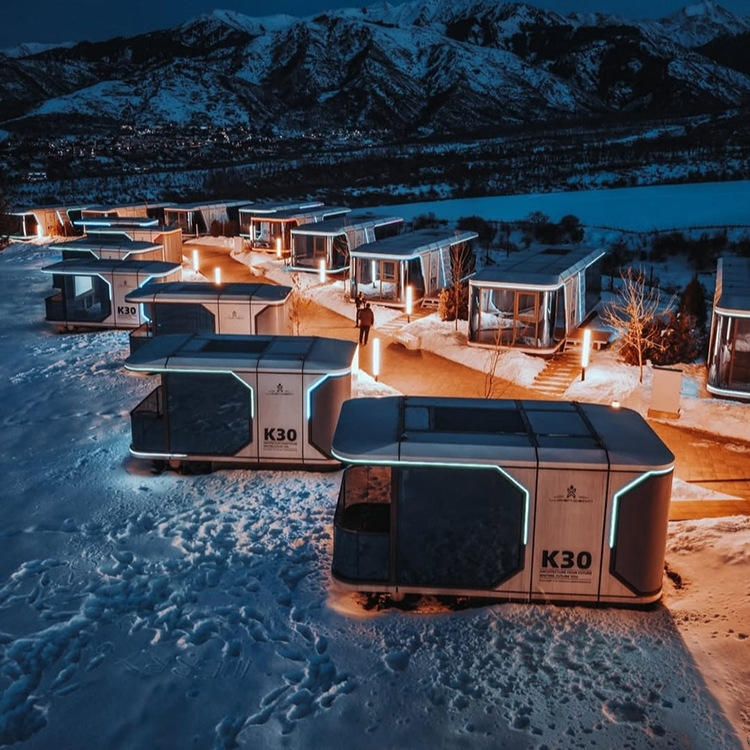
I. Core Performance and Structural Features Lhasa container integrated houses are based on standard container sizes (such as 20 feet and 40 feet), with a modular coefficient of over 85%, facilitating easy transportation and assembly. Their wall heat transfer coefficient K value is ≤0.35W/(㎡·K), enabling them to cope with significant temperature differences between day and night. The structural safety level meets the requirements of Lhasa's basic wind pressure of 0.35kN/㎡, snow pressure of 0.25kN/㎡, and seismic fortification intensity of 8 degrees. Materials such as sandwich panels or metal carved panels are commonly used, balancing thermal insulation and fire resistance, with a fire resistance limit exceeding 1 hour and an environmental recycling rate of over 90%.
II. Functional Types and Suitable Scenarios
- Foldable Container Houses: These have low transportation costs, with a 6-meter vehicle capable of carrying 6 units and a 17.5-meter flatbed truck able to carry 20 units. They can be installed by 2-3 people on-site and have a service life of over 10 years, making them suitable for construction site dormitories, temporary command centers, and other scenarios.
- Packing-Box Units: These have a factory prefabrication rate of over 90%, shortening the construction period by 60%-70% compared to traditional buildings and reducing the full life cycle cost by 15%-30%. They are commonly used in permanent/semi-permanent buildings such as scenic area hotels and school dormitories.
- Welded Mobile Houses: These have technology close to that of cargo containers, with lower costs and a service life of over 15 years. They are suitable for storage and mobile toilets in high-altitude areas.
III. Localized Services and Representative Enterprises Jihang Integrated Housing Business Department in Duilong Deqing District, Lhasa, is a typical example of localized services. Its products cover standard container houses, foldable houses, Tibetan-style homestays, etc., with engineering cases throughout Lhasa, Nagqu, Nyingchi, and other places. It can provide a full chain of services from design to production, installation, and after-sales. Tibet Yongcheng Color Steel Products Co., Ltd. mainly focuses on foldable container mobile houses, supporting material wholesale and retail to reduce transportation and inventory costs. In addition, Tibet Guobin Steel Structure Engineering Co., Ltd. stands out in municipal public toilets, emergency shelters, and other fields with its formal qualifications and standardized construction.
IV. Purchase Considerations It is essential to focus on the manufacturer's material aging data under high-altitude ultraviolet rays and low temperatures, verify steel structure professional qualifications and fire and earthquake resistance test reports, and prioritize enterprises with service points in Lhasa to reduce after-sales maintenance costs.



