Lego Mobile Toilet Assembly Toy
Currently, there is no complete product or standardized design specifically for the 'Lego Mobile Toilet Assembly Toy,' but similar functionality can be achieved through creative modifications of existing Lego public toilet models. The following is a detailed analysis based on available information:
1. Basic Construction Approach for Lego Public Toilets
In existing cases, the construction of Lego public toilets typically begins with structural planning. For example, in the challenge of minimizing Lego public toilets, designers first determine the floor size (such as 4×4 or 6×6 unit modules) and then plan the wall thickness by stacking basic bricks. The arrangement of wall bricks must consider stability, often using a staggered stacking method to enhance load-bearing capacity. The roof section may use sloped or curved bricks to simulate real architectural forms, with some designs incorporating ventilation openings or skylight modules.
2. Modification Directions for Mobile Functionality
To achieve 'mobile' characteristics, the following modification plans can be considered:
- Wheeled Base: Add Lego wheel components (such as tires or pulleys from the Technic series) to the bottom of the existing public toilet model, securing them with axles to allow the entire structure to slide. Attention must be paid to balancing the center of gravity to avoid tipping due to excessive weight on top.
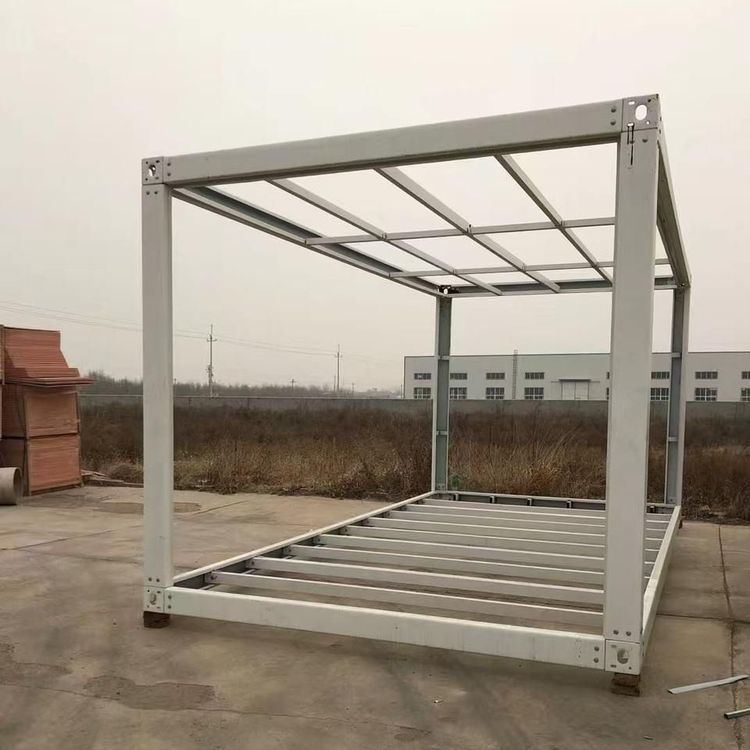
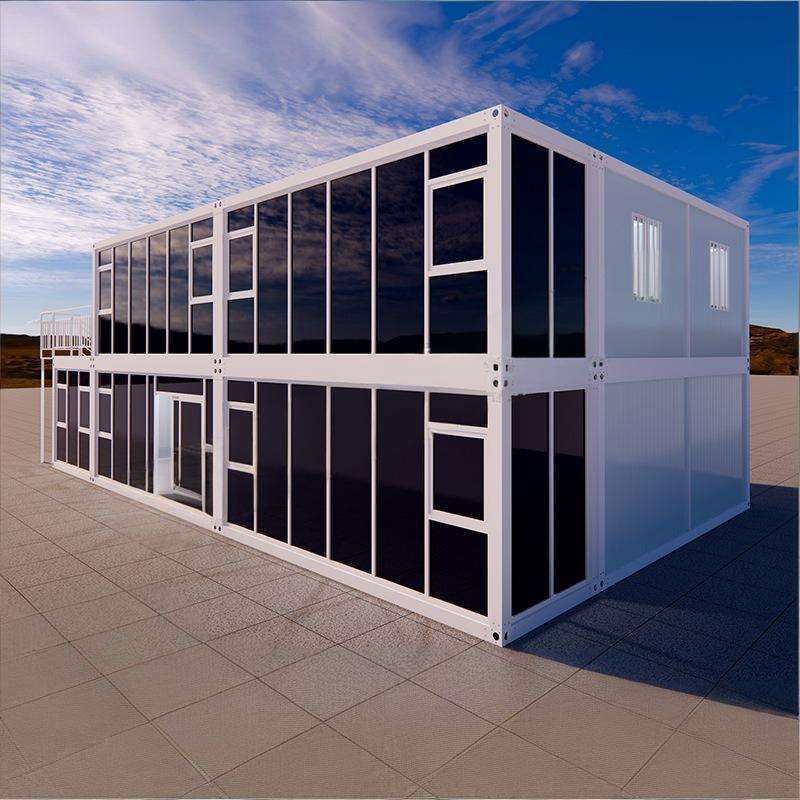
- Detachable Structure: Divide the toilet body into upper and lower parts connected by Lego pins or hinges. When moving, disassemble it into a flat state and reassemble it for use, similar to modular container design.
- Ejection Mechanism (Fun Feature): Combining the creativity of a Lego ejection toilet, add springs or lever structures inside the toilet to simulate the ejection effect during 'flushing,' increasing interactivity.
3. Optimization Suggestions for Functional Details
- Sanitary Facility Simulation: Use transparent bricks to represent water tanks and white thin rods to simulate flush buttons; the door section can be designed as an openable and closable structure using Lego hinges or sliding tracks.
- Internal Decoration: Enhance realism by adding details such as toilets and sinks through stickers or printed pieces. Some advanced players use Lego lighting components to simulate lighting effects.
- Portability Design: If frequent movement is required, reduce unnecessary decorations, use lightweight materials (such as hollow bricks), and optimize the structure to lower the center of gravity.
4. Reference Cases and Inspiration Sources
- The Lego Ideas platform has showcased a 'Mini Public Toilet' design, including a toilet, sink, and ventilation system, which can serve as a basic template.
- Mechanical structures in the Technic series (such as gears and pistons) can be used to achieve ejection or opening and closing functions, requiring adjustments to the transmission ratio according to the instructions.
- Architectural modules in the Lego City series (such as doors, windows, and railings) can be directly used for decoration, saving design time.
Summary: The assembly of a Lego mobile toilet should be based on existing public toilet models, achieving mobile functionality through wheeled bases, modular designs, or ejection mechanisms, while enhancing realism with decorative details. Players can adjust the complexity according to their needs, ranging from simple sliding structures to fully functional interactive models.