
Latest Small Portable Toilet
Represented by the lightweight plastic portable toilet (2026 new model), the latest small portable toilets integrate convenience, environmental protection, and practicality, marking a technological upgrade in the current portable toilet sector.
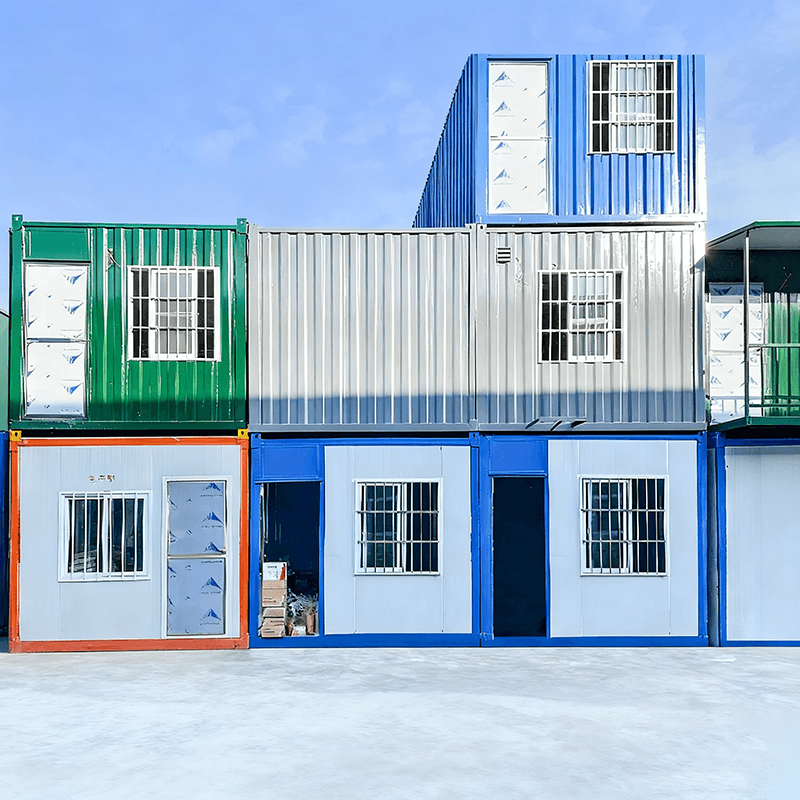
I. Core Configurations of the 2026 New Lightweight Plastic Portable Toilet
This model adopts lightweight plastic materials, reducing its overall weight by over 30% compared to traditional metal structures, facilitating manual handling or short-distance transportation by small vehicles. Its functional design focuses on user experience:
- Ventilation and Odor Control: Equipped with an independent ventilation system, it creates a negative pressure environment through top exhaust pipes, combined with an activated carbon filter layer to effectively reduce odor concentration inside the toilet; the sewage tank employs a gravity flushing + foot pump-assisted design to reduce water consumption and prevent blockages.
- Water Tank and Sewage System: A large-capacity freshwater tank (typically 100-200L) meets the daily needs of a single user, while the sewage tank uses gravity separation technology for preliminary solid-liquid separation, extending the cleaning cycle; some models support connection to municipal drainage pipes for instant sewage disposal.
- User-Friendly Details: Internally equipped with anti-slip floors, handrails, and lighting systems, with clear instructional signs indicating usage procedures, suitable for rapid deployment in public places.
II. Classification and Technological Paths of Portable Toilets
Small portable toilets can be classified into the following types based on structure, mobility, and sewage treatment mode:
- Structural Forms:
- Single-Unit Structure: Independent unit design, suitable for temporary events or narrow spaces;
- Composite Structure: Modular combination, expandable into multiple toilet stalls or with added management rooms, meeting high-traffic scenario demands.
- Mobility Methods:
- Lifting Type: Relies on lifting equipment, suitable for long-term fixed positions;
- Manual Transport Type: Equipped with rollers or slides at the bottom, can be pushed manually;
- Powered Trailer Type: Fitted with a towing device, can be towed by vehicles to different locations.
- Sewage Treatment Technologies:
- Water-Flush Type: Relies on freshwater for flushing, requiring a配套 (matching) water tank and sewage system;
- Waterless Suction Type: Uses a vacuum pump to suction waste, saving water but requiring regular cleaning;
- Recirculating Water-Flush Type: Purifies sewage through biodegradation or membrane filtration technology for water resource recycling;
- Dry Packaging Type: Uses biodegradable bags to collect waste, requiring no water, suitable for water-scarce areas.
III. Design Principles and Industry Trends
The design of modern small portable toilets emphasizes "three-in-one integration":
- Portability: Lightweight and modular structures support rapid assembly, disassembly, and transportation;
- Economic Durability: Uses corrosion-resistant materials to reduce maintenance costs, with a service life exceeding 10 years;
- Environmental Ecology: Prioritizes recyclable materials, with sewage treatment technologies evolving towards zero emissions and low energy consumption.
In the future, with the penetration of IoT technology, intelligent monitoring systems (such as freshwater tank level alarms and odor concentration feedback) will become standard, further optimizing user experience and management efficiency.



