
Lhasa Internet-Famous Container House
The Lhasa internet-famous container house features innovative design, modular structure, and high-altitude adaptability as its core characteristics, widely applied in cultural tourism, commercial, and temporary construction sectors.
I. Core Design and Functional Features
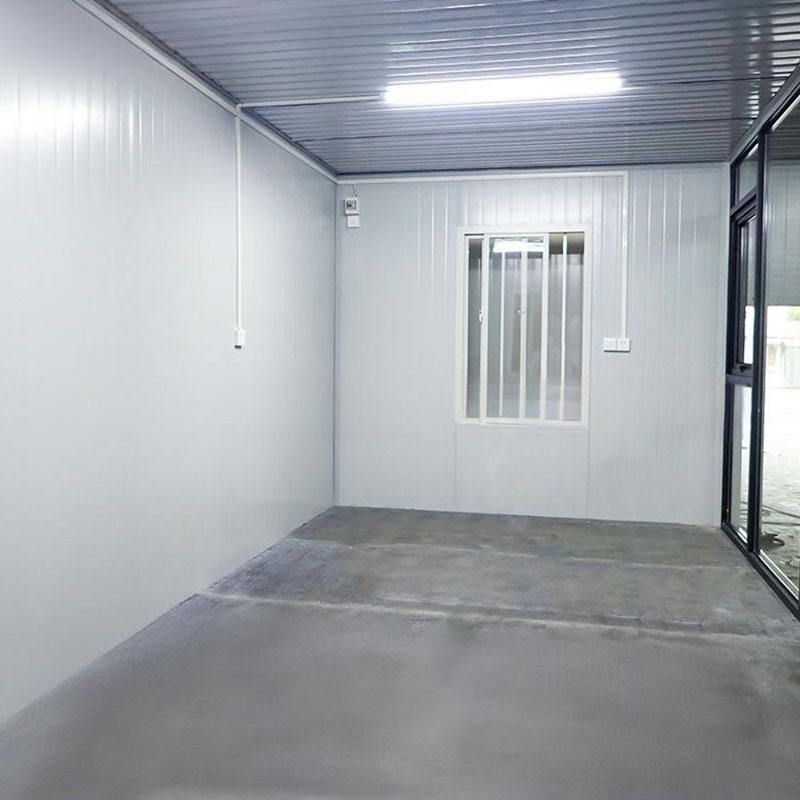
The Lhasa internet-famous container house often adopts a modular design, with standard unit dimensions of 6055mm×2435mm×2790mm (derived from a 20-foot container), supporting customized production. Its structure primarily consists of a steel frame, filled with A-grade fireproof materials such as rock wool and polyurethane. The wall heat transfer coefficient is as low as 0.3W/(m²·K), effectively addressing the day-night temperature differences on the plateau. The roof snow load can reach 1.5kN/m², and the wind pressure resistance is not less than 0.7kN/m², meeting the demands of snowfall and strong winds in Lhasa during winter. Additionally, some products integrate water supply and drainage, ventilation, electrical, and intelligent management systems (such as pedestrian flow monitoring and odor control), enhancing the user experience.
II. Application Scenarios and Cases
- Cultural Tourism Sector: The "City of Eternal Light" project in Lhasa takes the container art district as its core business format, creating a nighttime economic landmark through a combination of neon food truck matrices and Tibetan-style wooden houses. These houses blend modern industrial style with Tibetan elements in their appearance, with flexible internal layouts suitable for commercial displays and temporary residences.
- Commercial and Construction Sites: Jihang Integrated Housing Business Department offers a full range of services from standard container houses to customized Tibetan-style homestays, with engineering cases covering Lhasa, Nagqu, and other places, involving construction site camps, scenic spot homestays, and other scenarios. Its products emphasize earthquake and wind resistance, thermal insulation, shortening project cycles, and reducing costs.
- Municipal and Emergency Response: Packed container toilets, as representatives of modular buildings, adopt integrated sanitary facilities, water-saving technologies, and environmental protection treatment systems, meeting the needs of municipal public toilet supplementation and disaster emergency response.
III. Technical Advantages and Adaptability
The Lhasa internet-famous container house is optimized for the plateau climate:
- Climate Adaptability: It adopts anti-corrosion treatments such as galvanization and fluorocarbon paint spraying, extending the service life of the main steel structure to over 20 years; UV protective coatings enhance material weather resistance.
- Transportation and Installation: Foldable container houses have low transportation costs, with a 6-meter car able to carry 6 sets and a 17.5-meter flatbed truck able to carry 20 sets; on-site installation requires only 2-3 people and can complete the setup of 100 sets in 2-3 days.
- Economy: It can be folded repeatedly over 500 times, reducing costs through recycling; the modularization rate exceeds 85%, and the on-site installation cycle is shortened by 60%-70% compared to traditional methods.



