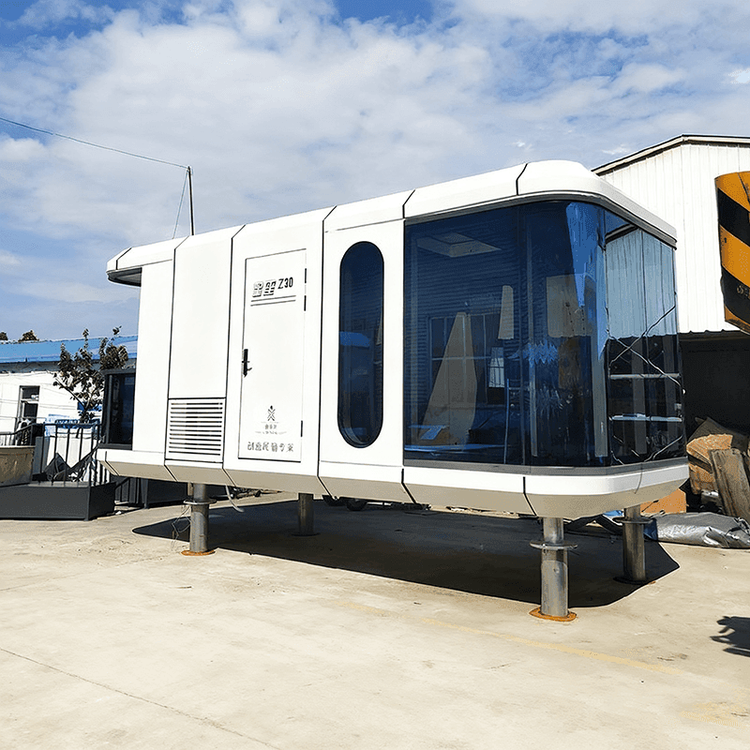
Large-Size Mobile Toilet Dimensions
Large-size mobile toilets typically involve multi-person or multi-functional models, with specific size ranges as follows:

The size design of multi-person mobile toilets focuses on accommodating multiple toilet stalls and is commonly seen at large events or public venues. They can be up to 6.8 meters long or feature a modular box design exceeding 6 meters in length and 2.5 meters in width. For example, a two-stall mobile toilet combination measures 2.4-3.0 meters in length and 1.2-1.5 meters in width. For scenarios with higher foot traffic, modular designs may further expand dimensions, with widths exceeding 2.5 meters. In addition to toilet stalls, these units may include barrier-free facilities (such as independent stalls with a clear width of over 1.5 meters) and management rooms to meet special needs.
Multi-functional mobile toilets prioritize functional integration and space efficiency, making them suitable for high-end events or long-term fixed installations. Their standard size ranges are 3.0-4.5 meters in length, 2.0-2.5 meters in width, and 2.5-3.0 meters in height. These toilets typically come equipped with independent stalls, sinks, ventilation systems, and some models may also include air conditioning or smart management systems, requiring a balance between functionality and comfort within limited space.
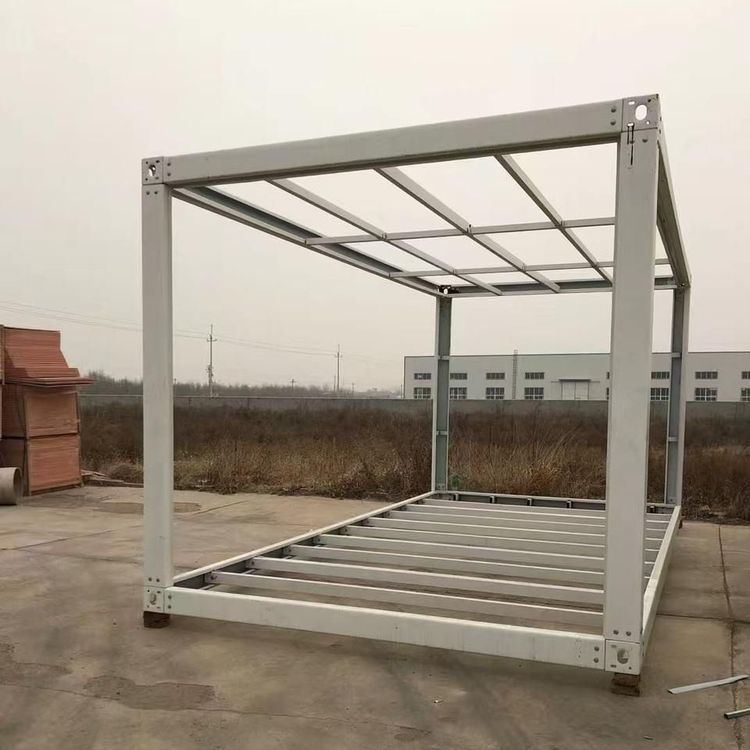
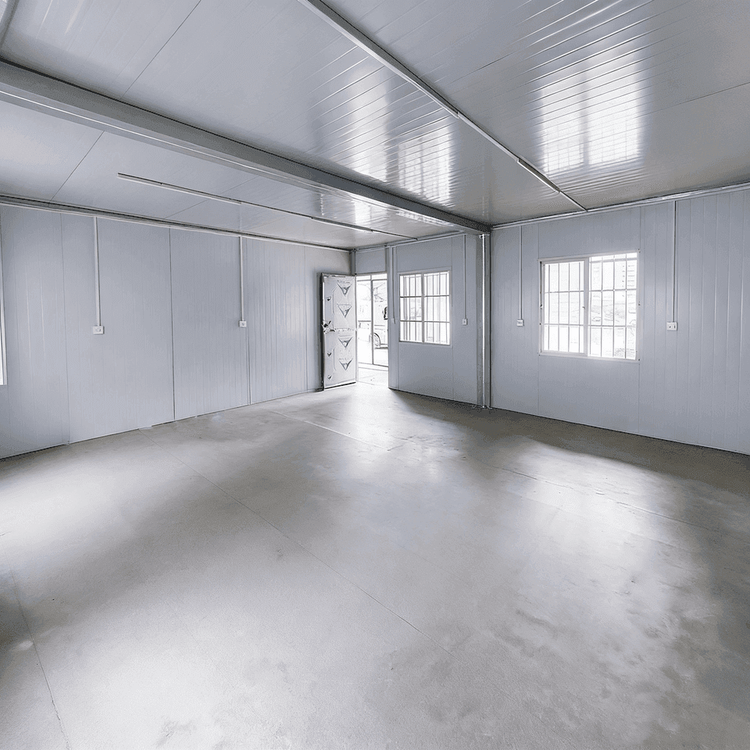
Mobile toilets for special scenarios may exceed conventional dimensions. For instance, prefabricated mobile restrooms can measure 2.5 meters by 6.5 meters, divided into three independent functional areas (such as toilet stalls, management rooms, and storage rooms). Such designs are primarily used for temporary large-scale projects or emergency situations, requiring modular assembly for rapid deployment while accommodating simultaneous use by multiple people.
When designing large-size mobile toilets, multiple factors must be considered: Transportation restrictions require an overall height not exceeding 4.5 meters (including the vehicle) and a width not exceeding 3 meters; ergonomics necessitates a clear width of at least 1.5 meters for barrier-free stalls and a passage width of at least 0.9 meters; industry standards, such as the 'Urban Public Toilet Design Standard' (CJJ 14-2016), stipulate that the spacing between public toilet stalls should be at least 0.9 meters, and the management room area should be at least 4 square meters. These regulations impose strict constraints on size design to ensure both practicality and compliance.