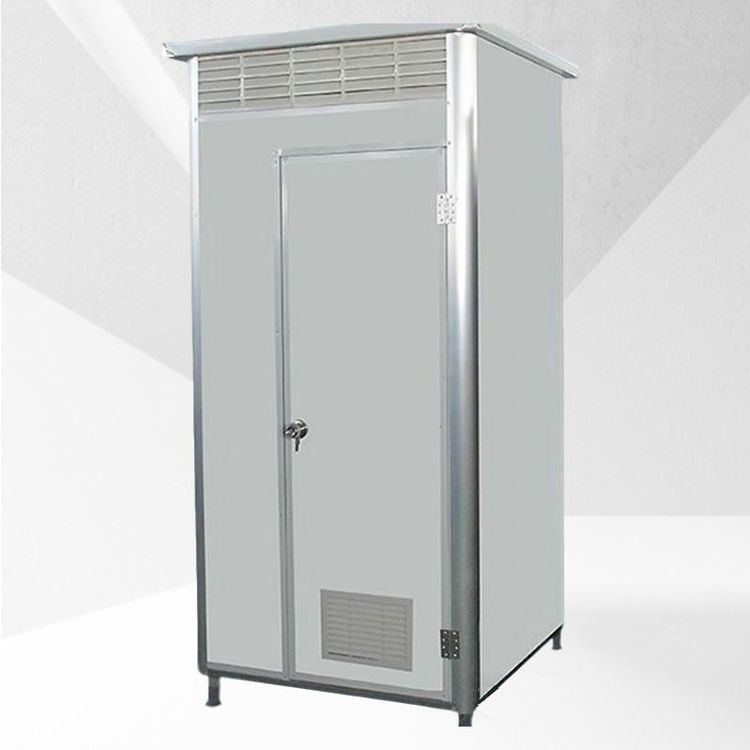
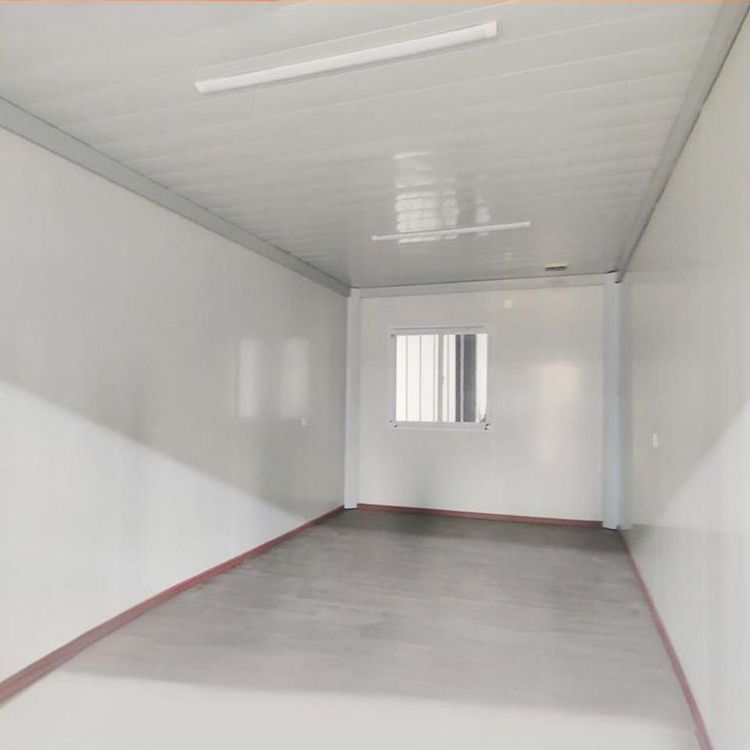
Large Single-Person Mobile Toilet
"Large single-person mobile toilet" is not a standard product name, but a large mobile toilet that can achieve single-person independent functionality through modular design. Its core features need to be comprehensively analyzed by combining the general structure of large mobile toilets with the needs of single-person use.

1. Basic Structure and Materials of Large Mobile Toilets
Large mobile toilets usually adopt high-strength frames and weather-resistant materials to adapt to long-term outdoor use. For example, the Apple Pod mobile toilets ordered by scenic spots are welded with steel frames, which can withstand more than 15 years of outdoor environmental erosion; customized models use thickened silver-plated square steel frames and metal carved panels, providing both thermal insulation and corrosion resistance. Such structures provide a stable foundation for the expansion of single-person independent spaces. Through modular design, the size of single rooms can be enlarged to meet the standards for comfortable single-person use (e.g., width ≥ 1.2 meters, depth ≥ 1.5 meters) while retaining structural strength.
2. Implementation Methods for Single-Person Independent Functional Areas
The modular nature of large mobile toilets allows for single-person design through the combination or separation of functional units. For example, independent single-room mobile toilets with six squatting positions adopt prefabricated building structures, with each squatting position being an independent space equipped with privacy facilities such as door locks and ventilation openings. If the "single-person" attribute is required, the number of squatting positions can be reduced and the size of single rooms can be enlarged, or personalized facilities such as sit-down toilets and washbasins can be added. In addition, customized large public toilets support design for appearance and identification, which can further enhance the sense of exclusivity for single-person use (e.g., setting up independent entrances and personalized identification).
3. Flexibility in Functional Configuration
The functional configuration of single-person large mobile toilets needs to balance practicality and comfort. Basic configurations may include:
- Sanitary facilities: Squatting or sit-down toilets (selected according to needs), odor-proof floor drains, and automatic flushing systems;
- Privacy protection: Solid doors, door locks, soundproof materials, and independent ventilation openings;
- Auxiliary facilities: Small washbasins, mirrors, tissue boxes, and trash cans;
- Environmental control: Thermal insulation layers (to adapt to extreme climates), exhaust fans or fresh air systems (to maintain air freshness).
For special scenarios (e.g., medical use, accessibility needs), additional facilities such as handrails and emergency call buttons can also be installed.
4. Application Scenarios and Advantages
Large single-person mobile toilets are suitable for scenarios with high requirements for privacy and comfort, such as high-end scenic spots, temporary events (music festivals, sports events), and emergency rescue. Their advantages lie in:
- Mobility: They can be hoisted as a whole or transported in parts for rapid deployment;
- Modular expansion: The number of single rooms can be increased or decreased according to needs, allowing for flexible adjustment of scale;
- Durability: High-strength materials and anti-corrosion treatments extend service life and reduce long-term costs.
It should be noted that there is currently no unified standard for "large single-person mobile toilets" in the market, and actual design needs to be customized through communication with suppliers based on specific needs.