
How to Sell Large Mobile Toilets
The prices of large mobile toilets vary depending on materials, functions, configurations, and suppliers, so a unified price cannot be directly provided and needs to be determined through negotiation with suppliers based on specific needs. Here is a detailed explanation:
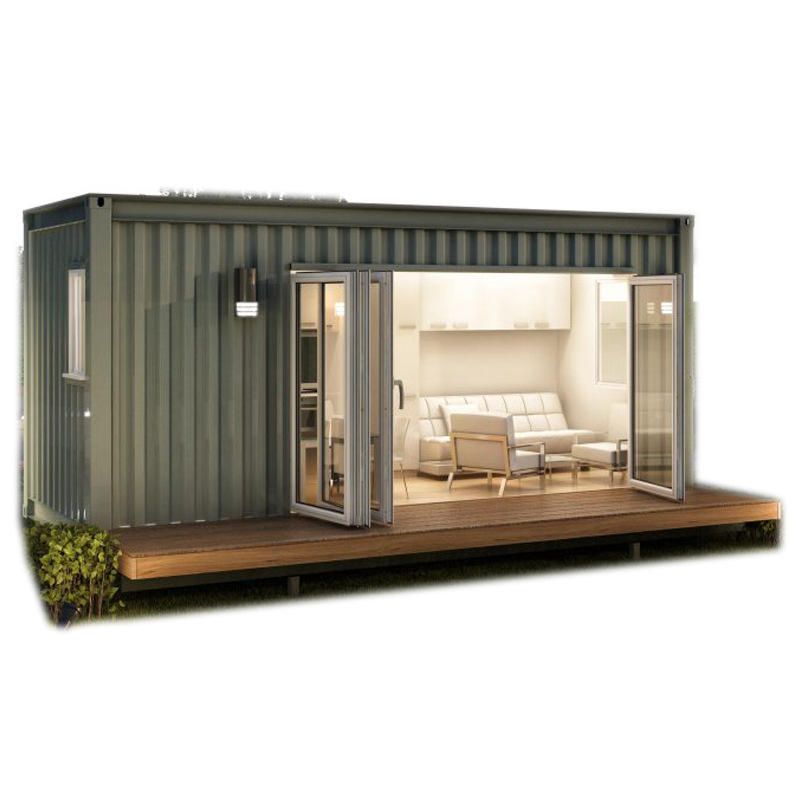
1. Price Range of Basic Models
There are significant price differences in basic mobile toilets provided by different suppliers. For example, the price of the steel-structured finished municipal public toilet from Jinan Jiasheng Sanitation Equipment Co., Ltd. is ¥1700.0. These products usually use ordinary steel or composite materials, with functions mainly focused on basic toilet needs, suitable for temporary events or low-frequency use scenarios. The prices of finished models such as cultural and tourism toilets and tourist mobile public toilets from Beijing Jindongfang Environmental Landscape Engineering Co., Ltd. are ¥5500.0. These products may have improvements in material durability, appearance design, or basic configurations (such as lighting and ventilation), making them suitable for scenic spots, parks, and other places.
2. Price Range of High-end Models
If more environmentally friendly or intelligent functions are required, the prices will increase significantly. The high-end models from Beijing Jindongfang Environmental Landscape Engineering Co., Ltd., such as microbial degradation ecological toilets and intelligent waterless ecological toilets, have a price range of ¥5900.0 to ¥12500.0. These products usually use microbial decomposition technology to treat excrement, eliminating the need for flushing or sewage pipes, and are suitable for water-scarce areas or ecologically sensitive regions. Intelligent models may integrate functions such as automatic induction flushing, air purification, and remote monitoring to enhance user experience and management efficiency.
3. Impact of Customization Services
Some suppliers support customizing mobile toilets according to customer needs, and the prices need to be negotiated separately. Customization may involve size adjustments (such as increasing or decreasing the number of toilet stalls), material upgrades (such as stainless steel, anti-corrosion wood), function expansions (such as baby care rooms, barrier-free facilities), or appearance designs (such as antique styles, corporate logos). The cost of customization is usually higher than that of standard models, and the specific price depends on the complexity of the configuration and the supplier's pricing strategy.
4. Purchase Recommendations
- Clarify needs: Choose basic or high-end models based on factors such as the usage scenario (such as temporary events, long-term fixed locations), foot traffic, and budget.
- Compare suppliers: The quotes from different suppliers may vary due to differences in cost structures, technical capabilities, or market positioning. It is advisable to obtain quotes from multiple sources.
- Focus on after-sales service: Confirm whether the supplier provides services such as transportation, installation, and maintenance to avoid hidden costs in the future.



