
Principles of Large Mobile Toilets
The principles of large mobile toilets vary depending on their types, which mainly include traditional sewage-storage type, water-saving or waterless type, biological treatment type, and integrated type.
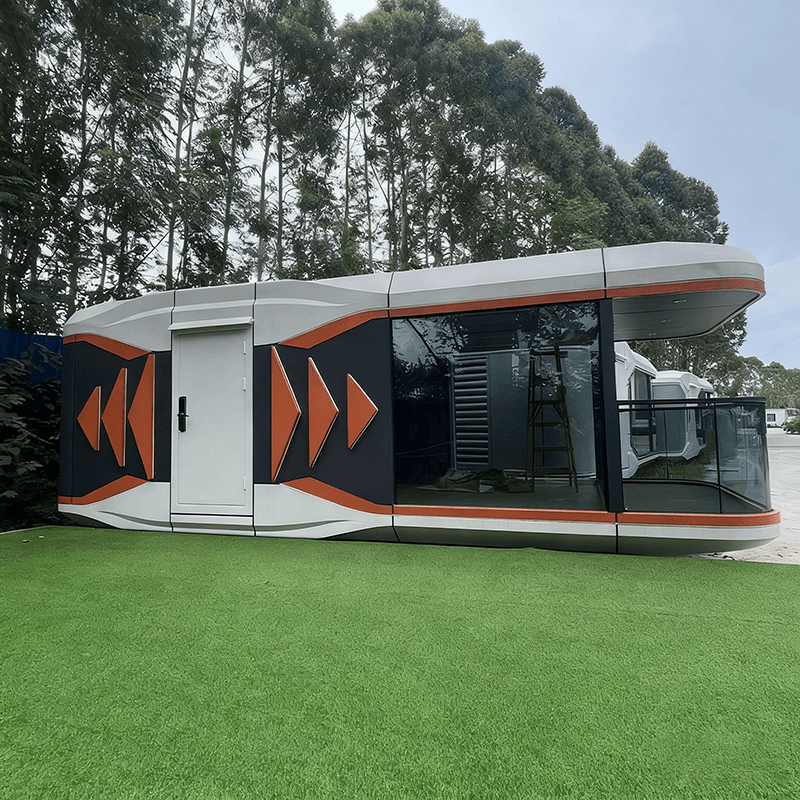
The principle of traditional sewage-storage mobile toilets is relatively simple and straightforward. They are equipped with a detachable sewage storage tank inside. When people use the toilet, the waste directly falls into this storage tank. To reduce odors and bacterial growth, degradation agents or deodorants are sometimes pre-placed in the storage tank. These chemicals can decompose the organic matter in the waste, reduce odor production, and inhibit bacterial reproduction, keeping the interior of the toilet relatively clean. When the storage tank is full, it can simply be removed and replaced with a new one to continue use, and the treated waste is properly disposed of in accordance with environmental protection requirements.
Water-saving or waterless mobile toilets adopt special designs to reduce water consumption or even eliminate the need for flushing. These toilets typically handle waste through chemical agents or biological decomposition. For example, some water-saving mobile toilets use a flushing liquid containing special ingredients that can effectively clean the toilet bowl and decompose waste with a small amount of water. Waterless mobile toilets, on the other hand, may utilize biodegradation technology, using microorganisms to break down waste into harmless substances such as carbon dioxide and water, thus achieving the goal of no flushing required.
The principle of biological treatment mobile toilets is relatively complex. They use microorganisms or enzymes to decompose waste. Inside the toilet, there is a dedicated biological treatment device containing a large number of microorganisms or enzymes. When waste enters this device, the microorganisms or enzymes begin to decompose the organic matter in the waste, converting it into harmless substances. This process requires a certain amount of time and suitable environmental conditions, such as temperature and humidity. Biological treatment mobile toilets are usually suitable for places with high environmental protection requirements, such as scenic spots and parks.
The water supply system of integrated mobile toilet products relies on an external water source or comes with its own water tank, while the sewage disposal method varies depending on the application scenario. There are both direct-discharge designs, which connect to the municipal sewage network and discharge sewage directly into the sewer, and collection solutions, equipped with sewage storage tanks or septic tanks to collect sewage for regular cleaning and disposal. This integrated design makes mobile toilets more flexible and convenient, enabling them to adapt to different usage environments and requirements.



