
Lanzhou Outdoor Mobile Toilet Design
The design of outdoor mobile toilets in Lanzhou should adhere to principles such as mobility, cost-effectiveness, durability, environmental friendliness, efficiency enhancement, and humanitarianism, while also emphasizing the optimization of structure, materials, and functional details.
I. Design Principles and Core Requirements
The design of outdoor mobile toilets in Lanzhou should center on functionality, practicality, and environmental adaptability. Firstly, mobility is fundamental, requiring lightweight structures (such as aluminum alloy frames) and modular designs to enable rapid assembly, disassembly, and transportation, facilitating flexible deployment in various settings like scenic spots and construction sites. Secondly, cost-effectiveness and durability demand materials that offer both cost efficiency and corrosion resistance, such as galvanized steel sheets or metal carved panels for exterior walls, which reduce maintenance costs and extend service life. Additionally, environmental friendliness should permeate the entire design process, including the use of water-saving flushing systems, solar power supply units, and biodegradable materials to minimize the burden on the natural environment.
II. Structural and Material Optimization
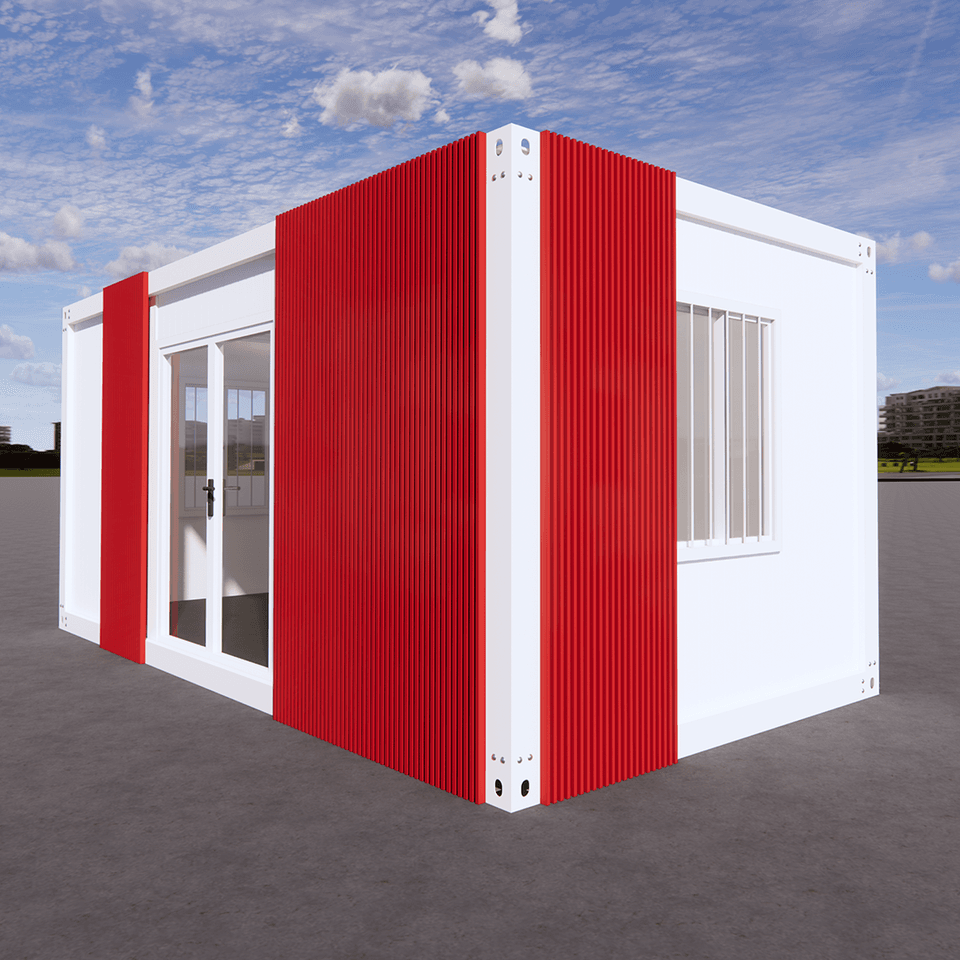
The overall structure should be lightweight yet sturdy, ensuring stability through reasonable control of height (typically not exceeding 3 meters) and width (2-2.5 meters), while also facilitating vehicle transportation. The mobile unit should be equipped with universal wheels or hydraulic lifting systems to support manual or mechanical propulsion, and fixed anchor points should be installed to prevent displacement during use. In terms of material selection, metal carved panels are preferred for outdoor settings due to their strong weather resistance and good thermal insulation properties; paired with double-glazed windows, they ensure both light transmission and privacy protection. For example, the "double-roof design outdoor mobile toilet" by Lanzhou Jintongchuang Environmental Protection Technology Co., Ltd. adopts such a combination, balancing aesthetics and practicality.
III. Functional Modules and Scene Adaptation
Functional design should be tailored to different usage scenarios. For instance, smart mobile toilets in scenic spots can integrate intelligent感应 (sensor-based) flushing, air purification systems, and crowd counting functions to enhance user experience; mobile toilets for construction sites should reinforce dust and shock resistance and be equipped with independent septic tanks to cope with environments lacking sewage systems. Furthermore, foam-blocking mobile toilets replace traditional water flushing with foaming agents, achieving a water-saving rate of over 90%, suitable for arid regions or temporary events; while Apple Pod toilets feature modular cabin designs that support rapid expansion into multi-stall combinations to meet high-traffic demands.
IV. Human-Centered and Sustainable Design
Design should embody humanitarian care, such as providing barrier-free access, handrails, and emergency call devices to facilitate use by the elderly or disabled. Meanwhile, natural ventilation and lighting designs should be employed to reduce energy consumption, such as installing skylights on the roof or louvered windows on the sidewalls to utilize the thermal siphon effect for air circulation. Additionally, the use of recyclable materials (such as recycled plastics) and demountable structures facilitates later upgrades or resource reuse, aligning with sustainable development principles.



