Production of Mobile Environmental Toilets in Lanzhou
The production of mobile environmental toilets in Lanzhou involves multiple manufacturers and a variety of environmental technologies, with the specific production process requiring customized design based on the capabilities and technological characteristics of the manufacturers.

I. Main Manufacturers and Service Models
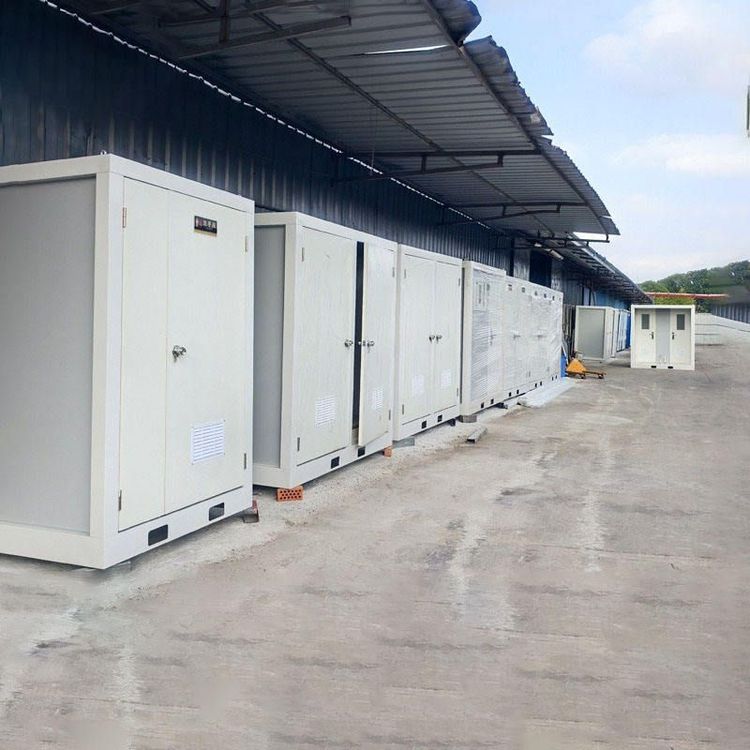
The production of mobile environmental toilets in the Lanzhou region is primarily carried out by local manufacturers. For example, Lanzhou Tongchuang Source Factory can provide on-site production services, completing assembly and debugging directly according to site requirements. Additionally, enterprises such as Gansu Sailina (Kelutong) focus on customized design, offering personalized solutions for different scenarios (such as scenic spots, construction sites, and temporary events), covering the entire process from structural planning to functional configuration.
II. Core Production Materials and Technologies
Wall Materials:
- The exterior walls often use carved panels (aluminum-plastic panels), which are corrosion-resistant, easy to clean, and aesthetically pleasing, making them suitable for long-term outdoor use.
- The interior walls are selected from purification panels or density composite panels, which are environmentally friendly, odorless, and effectively isolate odors, improving internal air quality.
Sanitary Facility Configuration:
- Toilets are usually equipped with ceramic or stainless steel squat toilets, balancing durability and hygiene; some high-end models use foam-sealed squat toilets, which reduce odor diffusion through foam coverage while also reducing water consumption.
- The handwashing area is标配 (standardly equipped) with stainless steel handwashing basins and paired with exhaust fans for forced ventilation, ensuring internal dryness and odorlessness.
Application of Environmental Technologies:
- Microbial Decomposition Technology: This technology decomposes excrement through specific bacterial strains, achieving pollution-free discharge and is suitable for scenarios without sewer connections.
- Foam Sealing Technology: This technology uses foaming liquid to cover the toilet opening, forming a seal to block odors and reduce flushing water volume, making it suitable for areas with scarce water resources.
- Circulating Water Treatment System: Some models are equipped with sewage filtration and circulation devices, purifying handwashing water for reuse in toilet flushing, further conserving water resources.
III. Production Process and Customization Points
The production process typically includes requirement communication, solution design, material procurement, on-site assembly, and debugging and acceptance. During customization, the following points should be emphasized:
- Usage Scenario: For example, scenic spots need to focus on the harmony between appearance and the surrounding environment, while construction sites emphasize durability and mobility.
- Environmental Standards: Compliance with local discharge requirements is necessary, such as ensuring the safety of bacterial strains in microbial decomposition technology and controlling the environmental friendliness of foam agent components in foam-sealed models.
- Maintenance Costs: Choosing materials and technologies that are low in consumables and easy to clean can reduce long-term usage costs.