Lanzhou Mobile Ecological Toilet Installation
The installation of mobile ecological toilets in Lanzhou requires a systematic approach that integrates technical specifications with local environmental characteristics, covering aspects such as process, materials, environmental performance, and maintenance.
Installation Process:
The installation of mobile ecological toilets in Lanzhou begins with site surveying, which involves assessing ground bearing capacity, pre-planning drainage paths, and determining water and electricity access points to ensure that the foundational conditions meet the operational requirements of the equipment. During the foundation treatment phase, either a concrete pre-fabricated base or a steel structural platform is selected based on soil conditions, with a focus on level calibration and anti-settlement design to prevent equipment tilting or damage due to soft geology. The box body is lifted using modular operations, with sealed connections completed through standardized interfaces to ensure airtightness and structural stability. In the pipeline connection phase, rigorous testing of the linkage between the water-saving flushing system, ventilation devices, and lighting equipment is required. For example, the single-use water consumption of vacuum suction technology must be controlled within the range of 0.5-1.2 liters, achieving over 70% water savings compared to traditional methods.
Material Characteristics and Environmental Adaptability:
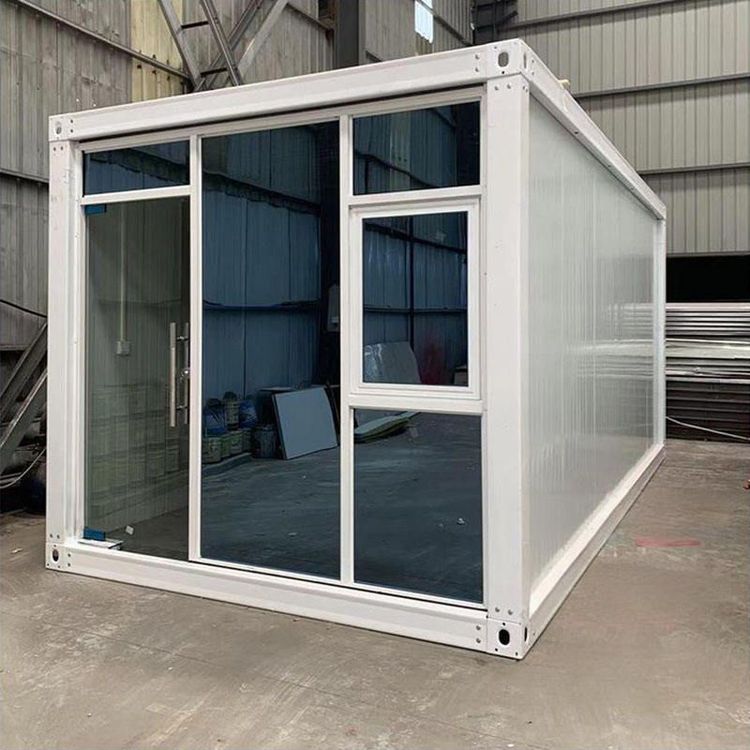
The box body adopts a color-steel sandwich panel structure, with the outer layer of aluminum-zinc-plated steel plate treated with a weather-resistant coating to withstand thermal stress changes caused by the day-night temperature variations in Lanzhou. The intermediate polyurethane insulation layer maintains stable internal temperatures and reduces heat transfer rates. The composite structure offers high flexural rigidity and low self-weight, reducing transportation energy consumption by approximately 40% compared to traditional building materials. Connection nodes are treated with both sealing strips and structural adhesives to form a continuous airtight layer, minimizing odor leakage. In the arid Lanzhou New Area, waterless or micro-water flushing technologies (such as foam sealing and microbial degradation) have become mainstream, accelerating organic matter decomposition through thermophilic bacteria and converting the by-products into soil amendments with a humus content of up to 35%, achieving waste resource utilization.
Continuous Operation and Maintenance Requirements:
System integration requires compact placement of ecological treatment units such as fermentation chambers and filtration devices within the box body to ensure that frequent relocation does not affect treatment efficiency. Regular maintenance includes replenishing microbial agents, cleaning solid-liquid separation components, and safely disposing of by-products. For example, an electrolytic disinfection system generates hypochlorous acid through low-voltage electrolysis of saltwater, avoiding chemical residues. Institutionalized maintenance can extend equipment lifespan, with a full lifecycle carbon footprint 62% lower than that of traditional brick-and-mortar structures, and water-saving benefits offsetting production-stage water consumption within three years.