
Back to blog
Article
Land Use for Container Houses
Admin September 16, 2026
Generally, it is legal to build container houses on legally acquired homesteads, but certain conditions must be met, and legality varies in different scenarios. Details are as follows:
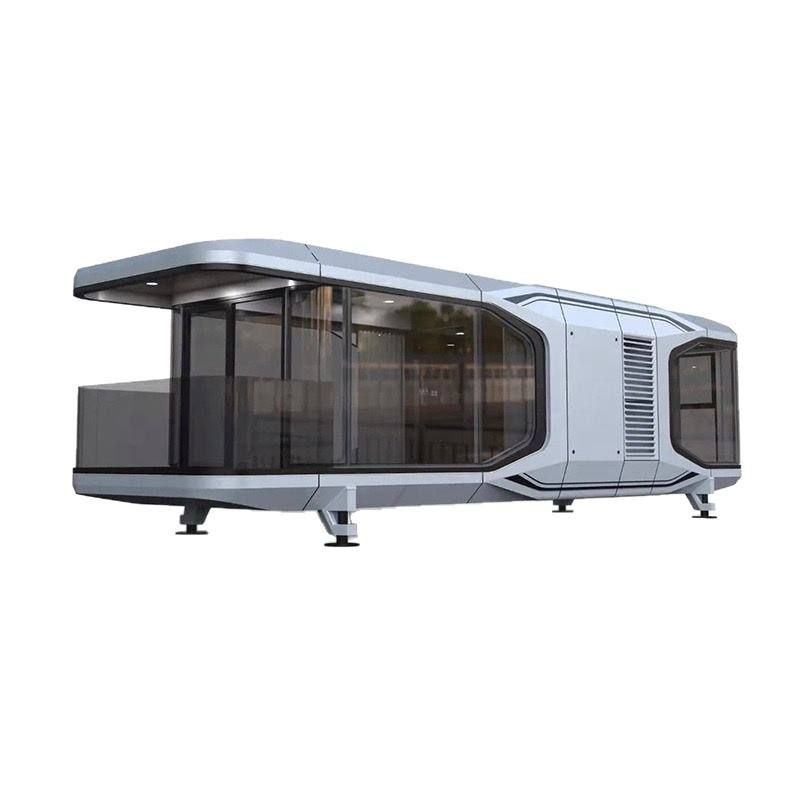
Placement on Rural Homesteads
- Legal Scenarios: If a container house is placed on a legally acquired homestead and local policies allow it as a temporary structure, an application must be submitted to relevant authorities, specifying the purpose and duration, among other details, and approval must be obtained before placement. Additionally, it must not affect urban and rural planning, damage land resources, or harm the ecological environment. For example, it is usually legal for rural residents to place container houses on their legally acquired homesteads for temporary residence or storage with approval.
- Illegal Scenarios: Unauthorized placement without approval, or placement that changes the land use or damages land resources, may be illegal. For instance, placing a container house on a homestead for commercial operations without relevant procedures is an illegal act.
Placement on Leased Land
- Legal Scenarios: If the leased land has been approved for construction land use, the holder of the construction land use right has the legal right to occupy, use, and benefit from the land and is entitled to place containers on it, which generally does not constitute a violation. For example, if an enterprise leases industrial land and places containers for storage in compliance with planning and other regulations, it is legal.
- Illegal Scenarios: If the land use certificate does not explicitly allow the relevant use, an application for a change of use permit must be submitted to the planning department, and approval must be obtained before placement. Unauthorized placement or placement that violates urban and rural planning, fire safety requirements, etc., is illegal. For example, placing a container house on leased agricultural land without approval may result in penalties.
Other Special Scenarios
- Placement in Fields or on Rooftops: If a container house is only used for temporary storage of agricultural materials and tools, without hardening the ground, connecting to water and electricity, or carrying out traditional infrastructure construction, and without occupying land quotas, it generally does not count as an illegal structure. However, if the ground is hardened, permanent foundations are built, or it is used for business operations or residence, it may be identified as an illegal structure.



