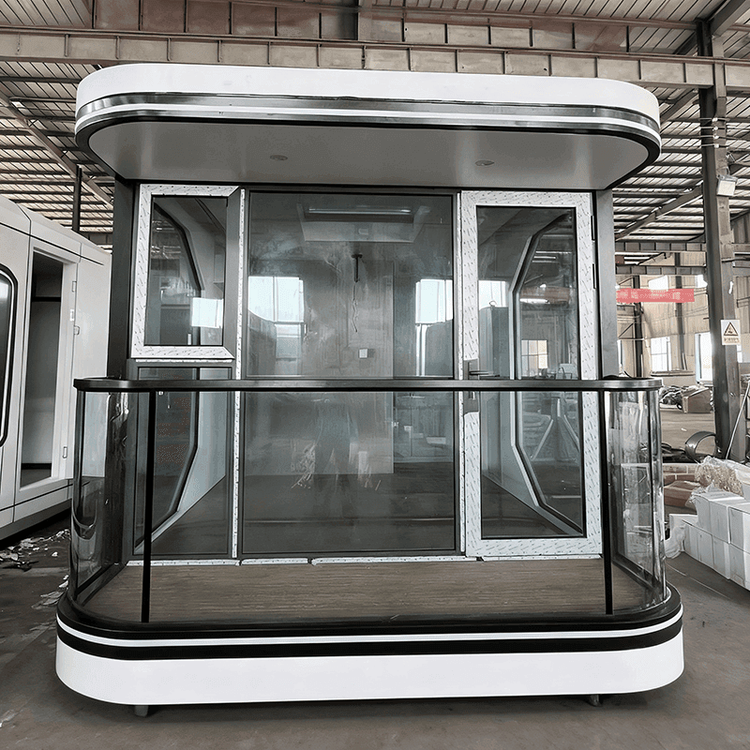
Land Rover Mobile Toilet
Currently, there are no official Land Rover mobile toilet modification products or cases, but this functionality can be achieved through customized design. The following provides an explanation from three aspects: technical feasibility, modification directions, and considerations.
1. Technical Feasibility: Compatibility of Mobile Toilets with Land Rover Models
The core technologies of mobile toilets include vacuum fecal suction, chemical degradation, or recirculating water systems, which are widely used in special vehicles (such as emergency relief vehicles and field operation vehicles). Land Rover models (such as the Range Rover and Defender) have relatively large interior spaces and strong off-road capabilities, theoretically providing a foundation for installing mobile toilets. For example, the trunk space of the Land Rover Defender can accommodate compact mobile toilet equipment, and its high chassis design facilitates the layout of the waste treatment system. However, it should be noted that Land Rover does not offer such modification plans from the factory, and third-party technology is required for implementation.
2. Modification Directions: Functional Integration and Space Optimization
If a mobile toilet needs to be installed in a Land Rover model, the following design ideas can be considered:
- Equipment Selection: Choose mobile toilet modules that are small in size and light in weight, prioritizing chemical degradation technology (which does not require an external water source) to reduce the impact on vehicle load and space.
- Space Layout: Utilize the trunk or rear seat area, and achieve the switch between sanitary facilities and daily functions through a foldable design. For example, unfold the toilet module in off-road scenarios and fold it up during daily use to restore cargo space.
- Environmental Compliance: Ensure that waste treatment complies with local environmental standards and avoid direct discharge. Some high-end mobile toilets are equipped with recirculating water systems, which can reduce water consumption and are suitable for long-term field use.
3. Considerations: Compliance and Safety
- Regulatory Restrictions: Vehicle interior structure modifications must comply with road traffic safety regulations to avoid failing annual inspections or invalidating insurance due to unauthorized modifications.
- Structural Safety: The fixation of mobile toilet equipment must consider the vibrations and impacts during vehicle operation to avoid affecting driving safety due to equipment displacement.
- Maintenance Costs: Consumables such as chemical degradation agents or vacuum pumps need to be replaced regularly, and the long-term usage costs and supply chain reliability need to be evaluated.
Summary: Land Rover models can achieve mobile toilet functionality through customized modifications, but they rely on third-party technical solutions and should focus on space optimization, environmental compliance, and safety. If only temporary emergency use is required, simple equipment such as portable toilets can also be considered to reduce modification complexity.