
Back to blog
Article
Kunming Container House
Admin September 15, 2026
Kunming container houses are modular buildings with light steel as the framework and sandwich panels as the enclosure materials. They are characterized by environmental protection, earthquake resistance, and mobility, and are widely used in temporary construction sites, cultural and tourism facilities, commercial operations, and other fields.
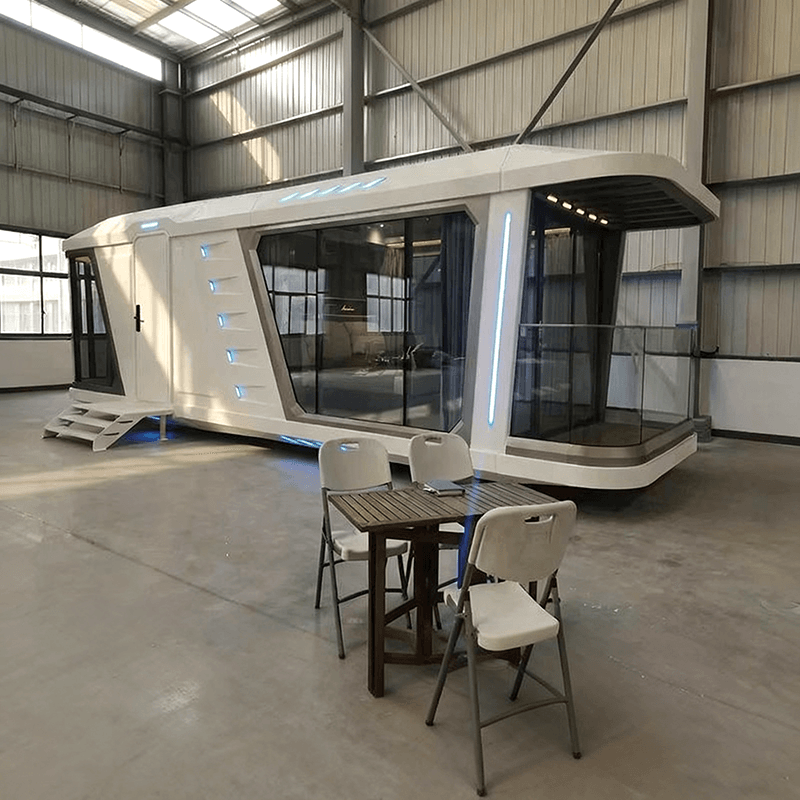
I. Product Types and Characteristics
Kunming container houses mainly fall into three categories:
- Packing-box units: These use hot-dip galvanized cold-formed steel as the framework and fire-resistant polyurethane sandwich panels. They offer thermal insulation and fire resistance. They can be used independently or stacked in multiple layers, suitable for scenarios such as construction site dormitories, office areas, and temporary meeting rooms.
- Light steel keel houses: These employ cold-formed thin-walled light steel keels for load-bearing, with insulation materials filled in the walls. The appearance and house type can be flexibly customized, making them suitable for long-term use scenarios such as self-built houses, homestays, and scenic area supporting housing.
- Functional supporting houses: These include security kiosks, property kiosks, eco-friendly public toilets, etc. The size and internal layout can be adjusted according to needs to meet specific scenario requirements.
Core Advantages:
- Environmental friendliness: Most of the building materials are recyclable, reducing ecological damage and complying with low-carbon and energy-saving policies.
- Earthquake resistance: The light steel structure and welding process enhance overall stability, adapting to the earthquake-prone environment in Yunnan.
- Flexibility: The modular design supports rapid disassembly, assembly, and movement, meeting the needs of construction site relocation or temporary demand changes.
- Economy: Factory prefabrication shortens the construction period, reduces overall costs, and allows for reuse.
II. Application Scenarios
- Temporary construction sites: Used as dormitories, offices, warehouses, etc., to solve living and office needs during the construction period.
- Cultural and tourism facilities: Used for homestays and scenic area commercial container houses, providing personalized accommodation and commercial spaces.
- Commercial operations: Container shops and mobile kiosks, etc., adapt to temporary needs in commercial districts or events.
- Emergency housing: In natural disasters or emergencies, temporary shelters can be quickly set up.
III. Selection Suggestions
- Pay attention to manufacturer qualifications: Prioritize manufacturers with steel structure processing technology certification and safety production licenses to ensure product quality and after-sales support.
- Materials and craftsmanship: Check the steel's rust prevention treatment, the wall panel's fire rating (such as rock wool or polyurethane sandwich panels), and the pre-installation quality of doors, windows, and electrical systems.
- Local adaptation: Due to Yunnan's climate with strong ultraviolet rays and large temperature differences between day and night, choose products optimized for the local environment, such as those with enhanced waterproofing and wind resistance designs.
- Customization capabilities: Select manufacturers that support customization of irregular sizes and special functions (such as independent sound insulation and couple's rooms) according to needs.



