Kuitun Scenic Area Mobile Toilet Project
The Kuitun Scenic Area Mobile Toilet Project is a comprehensive initiative undertaken by Kuitun City to address the uneven distribution of public toilets by deploying mobile toilets in public areas such as scenic spots. It features flexible deployment, well-equipped facilities, and diverse functions.

I. Planning and Site Selection
Kuitun City conducted demand surveys to analyze the density of pedestrian traffic and the existing distribution of public toilets in public areas such as scenic spots, formulating a scientifically sound deployment plan. The site selection for mobile toilets adheres to the principle of "covering key areas and alleviating supply-demand imbalances," prioritizing deployment at the entrances of scenic spots, core sightseeing areas, and surrounding commercial districts with high tourist traffic and a shortage of public toilets, ensuring that tourists can find a toilet within a 5-10 minute walk. For example, during holidays or large-scale events, mobile toilets can be quickly added to temporary event areas to avoid service gaps caused by insufficient capacity of fixed public toilets.
II. Facility Configuration
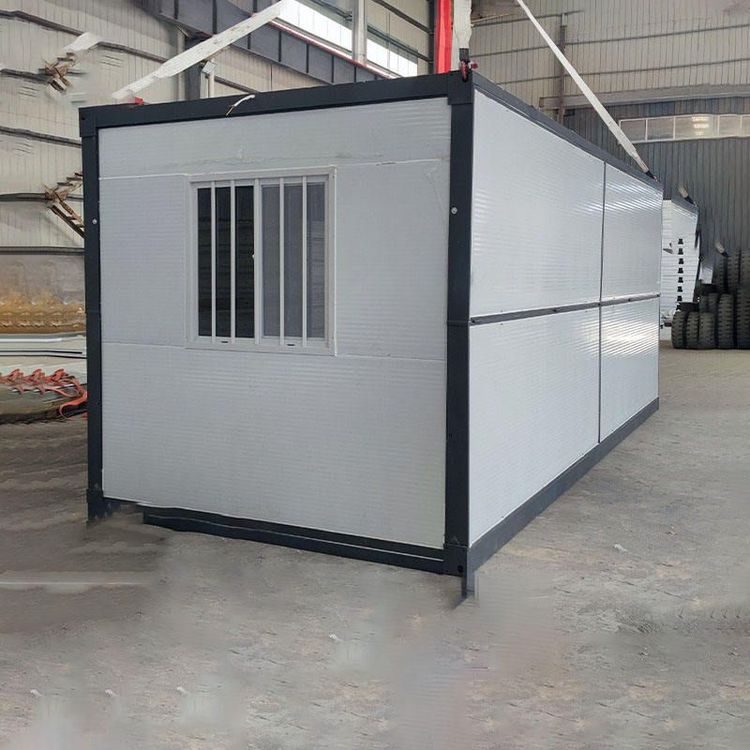
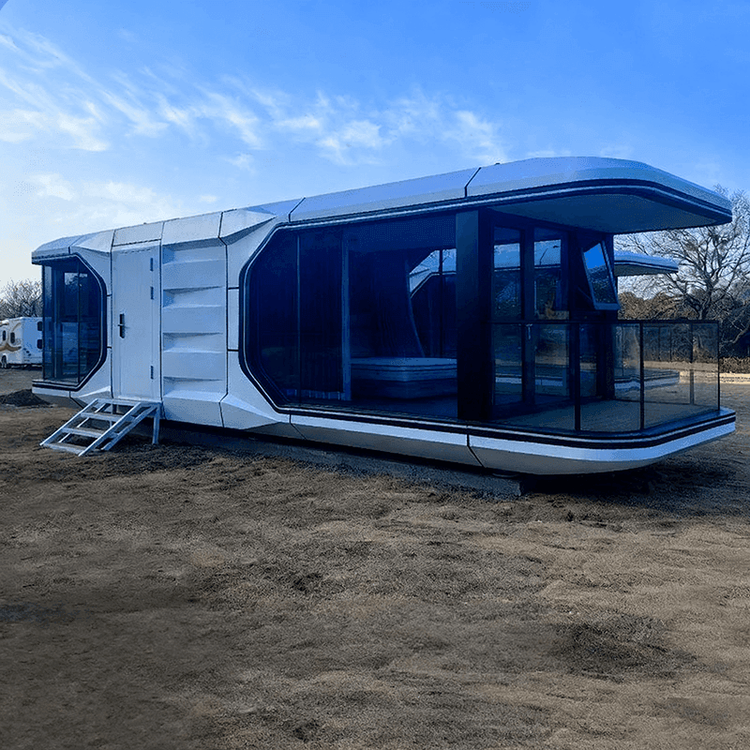
The main body of the mobile toilets is constructed using high-strength, corrosion-resistant materials such as galvanized steel pipe frames, anti-corrosion wood veneers, or color-steel sandwich panels, ensuring structural stability and adaptability to outdoor environments. Internally, they are equipped with either water-flush direct-discharge or packaged fecal treatment systems: the water-flush type connects to municipal sewage systems via pipelines and is suitable for long-term fixed locations; the packaged type uses biodegradable environmental bags to collect feces without requiring an external water source, making it suitable for remote scenic spots without sewage networks. Additionally, the toilets are equipped with high-quality titanium alloy doors, anti-slip floor tiles, louvered ventilation systems, and energy-efficient lighting. Some also include barrier-free facilities, baby care rooms, or gender-neutral restrooms to meet diverse needs. The use of eco-friendly materials and water-saving facilities (such as sensor-activated faucets and low-flow flushing devices) further reduces resource consumption.
III. Functional Expansion
To meet the special needs of scenic spots, the mobile toilet project offers customized functional expansions. For example, it adds epidemic prevention center modules equipped with disinfection equipment, temperature detectors, and isolation rooms to enhance public health emergency response capabilities; provides portable and electrically elevated special types of toilets suitable for complex terrains such as mountains and high-rise buildings; and offers leasing services to provide short-term solutions for temporary events (such as music festivals and exhibitions). These functions are realized through modular design, enabling rapid assembly and disassembly while balancing flexibility and practicality.
The Kuitun Scenic Area Mobile Toilet Project has effectively alleviated the shortage of public toilets and improved public service convenience through scientific planning, advanced facilities, and functional innovations. In the future, it may further optimize operational efficiency through intelligent management (such as real-time monitoring of usage frequency and automatic scheduling of cleaning).