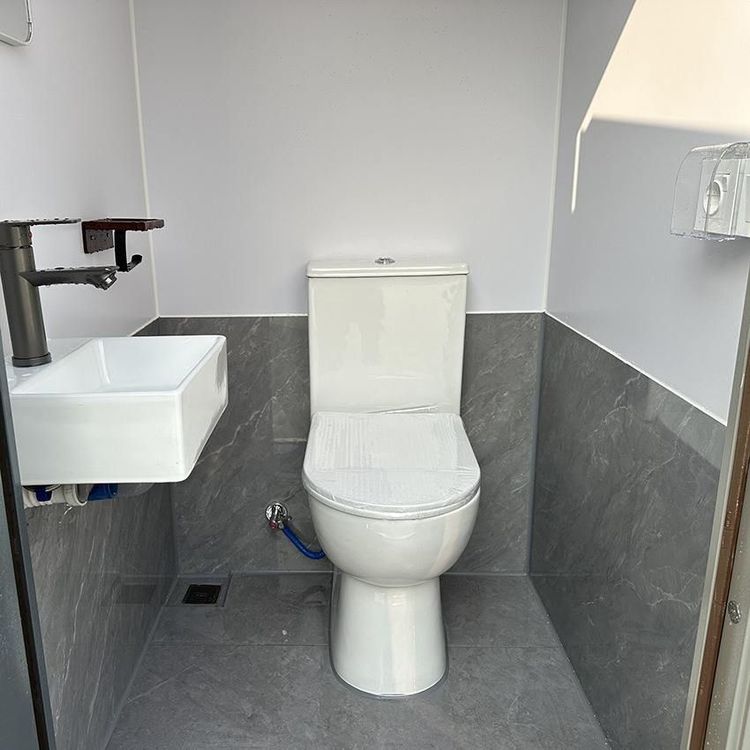
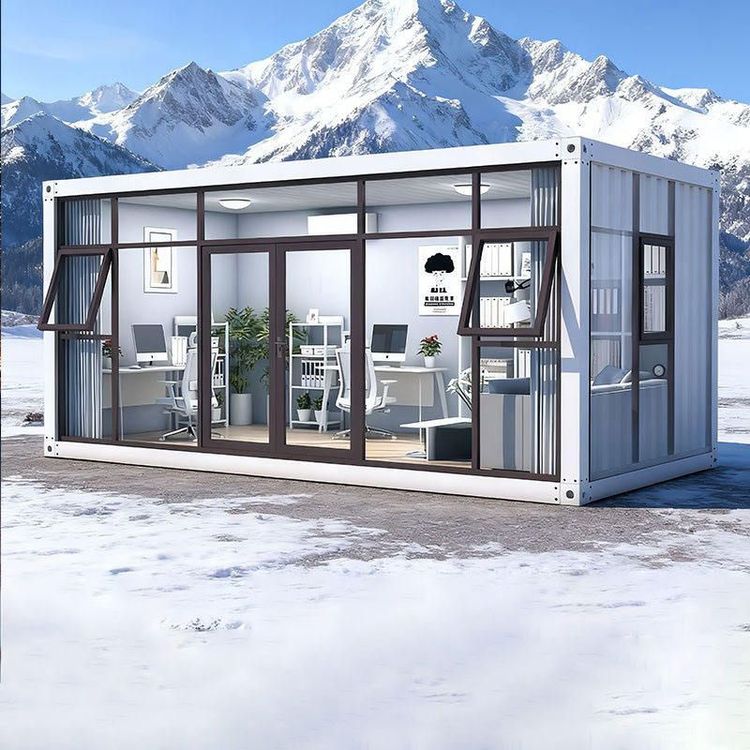
Kuitun Environmental Protection Mobile Toilet Installation
The installation of environmental protection mobile toilets in Kuitun should follow the principles of scientific planning, standardized construction, and environmental protection adaptation. The specific steps are as follows:

I. Preliminary Planning and Preparation
- Site Survey: It is necessary to evaluate the ground flatness, soil type (such as sandy soil or permafrost zones), the distribution of underground pipelines, and the surrounding drainage conditions. For example, in sandy soil areas in Xinjiang, a foundation form combining a concrete base and ground anchors should be adopted, while in permafrost zones, the foundation depth should be increased to enhance stability.
- Model Selection: Determine the toilet model based on the usage scenario (such as scenic spots or temporary event areas) and the volume of foot traffic, and clarify the type of treatment technology (packing type, biodegradable type, or circulating water flushing type). For example, biodegradable types are suitable for ecologically fragile areas to reduce pollution.
- Formalities Handling: Complete the site usage reporting procedures and prepare installation tools (such as spirit levels and lifting equipment) and materials (such as embedded bolts and sealants).
II. Foundation Treatment and Main Body Installation
- Foundation Construction: Clear the site of debris and construct the foundation according to the dimensions of the toilet body. In sandy soil areas, a concrete base with ground anchors should be used, and in permafrost zones, the foundation should be deepened. After leveling the ground, lay a crushed stone bedding layer or use special supports.
- Main Body Positioning: Use lifting equipment to transport the toilet body steadily and avoid collisions. Adjust the base screws or insert steel plates using a spirit level to ensure the toilet body is level.
- Fixing Method: Select the fixing method according to the foundation type, such as embedded bolts (for concrete foundations), expansion bolts (for hard ground), or steel cables with ground anchors (for soft soil foundations).
III. Pipeline Connection and Environmental Protection Adaptation
- Pipeline System: Connect the sewage, ventilation, and water supply pipelines, ensuring that the joints are sealed. Color-steel mobile toilets in Xinjiang adopt a split design, and only the prefabricated modules need to be connected on-site, reducing construction errors.
- Water-saving Configuration: Install a pressure differential flushing system or sensor-based flow-limiting handwashing basins to reduce water consumption.
- Environmental Protection Treatment: Waste is directed to different treatment areas through a solid-liquid separation device. Microbial agents are added to the solid waste to accelerate decomposition, and the liquid waste is filtered through multiple stages and then used for greening irrigation.
IV. Post-installation Management and Maintenance
The Kuitun Sanitation Department should assign dedicated personnel for management, formulate detailed cleaning rules, and regularly inspect the equipment operation status (such as the power supply of solar panels and microbial activity) to ensure the long-term stable operation of the toilets.
Key Considerations: The installation process should follow the principle of minimum interference to avoid damaging the vegetation in ecologically fragile areas. The modular design supports functional expansion (such as adding baby care rooms) to enhance usage flexibility.