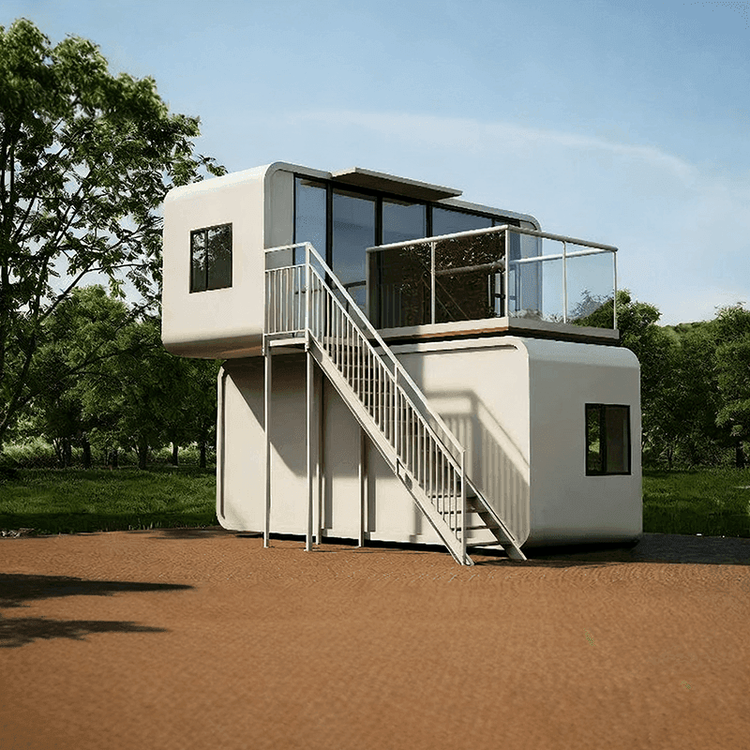
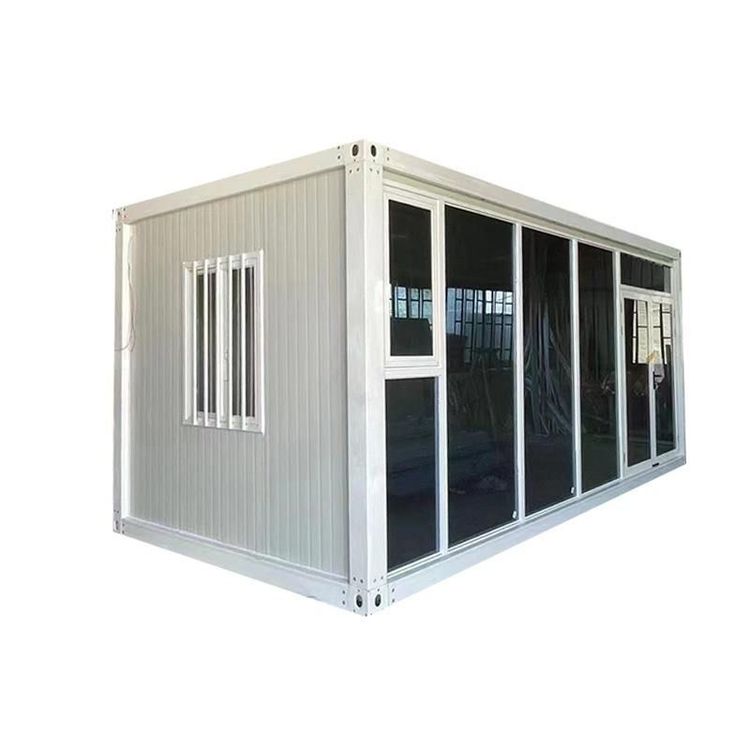
Korean Perspective on Prefabricated Housing
There is no direct information indicating the specific views of Koreans on prefabricated housing, but reasonable speculations can be made based on industry background, market trends, and potential influencing factors.

Industry Background and Market Trends
Prefabricated housing (Prefabricated Housing) is gradually emerging globally, with core advantages including modular design, rapid installation, and cost control, making it particularly suitable for addressing housing shortages, post-disaster reconstruction, or temporary housing needs. South Korea, as a country with high population density and limited land resources, has long faced housing issues, especially in major cities like Seoul, where housing prices are high and living space is limited. In recent years, the South Korean government has also been promoting policies for "smart cities" and "sustainable housing," encouraging the adoption of new construction technologies to improve housing supply efficiency. The environmental friendliness and energy efficiency of prefabricated housing (such as the use of light steel or eco-friendly materials) align with the direction of South Korean policies, potentially attracting market attention in theory.
Potential Influencing Factors
Cost and Efficiency Advantages
The labor costs in the South Korean construction industry are relatively high, and traditional construction methods are time-consuming and subject to significant cost fluctuations. Prefabricated housing, through factory production and on-site assembly, can shorten construction periods by 30%-50% and potentially reduce total costs by 10%-20%. If South Korean companies or consumers face housing cost pressures, the cost-effectiveness of prefabricated housing may become an attractive point.Cultural Acceptance
Traditional South Korean residences mainly consist of "Hanok" (wooden structures) and modern apartments, and it takes time for the public to accept new forms of architecture. However, in recent years, the younger generation in South Korea has shown increased interest in "minimalist living" and "modular design," coupled with a growing demand for small-sized housing (such as single-person apartments and elderly housing). The flexibility of prefabricated housing (such as expandability and mobility) may align with the preferences of certain groups.Policies and Regulations
South Korea has strict requirements for building safety and seismic resistance standards, and prefabricated housing must pass KDS (Korean Building Standards) certification. If companies can demonstrate the structural safety of their products (such as resistance to magnitude 6 earthquakes and compliance with fire protection standards), market penetration may accelerate. Additionally, government subsidy policies for green buildings (such as tax reductions and low-interest loans) may also drive the development of prefabricated housing.
Challenges and Uncertainties
Despite potential advantages, prefabricated housing still faces challenges in South Korea: resistance from the traditional construction industry (such as union opposition and existing interest patterns), public perception biases (such as misconceptions about "poor quality" or "temporary nature"), and land ownership restrictions (South Korea has a high degree of land privatization, and the long-term fixed nature of prefabricated housing may affect land value assessments).
In summary, the attitude of Koreans towards prefabricated housing may be in the "initial exploration phase," and the industry needs to gradually build trust through demonstration projects, policy guidance, and public education. Its market potential depends on cost advantages, cultural adaptability, and policy support.