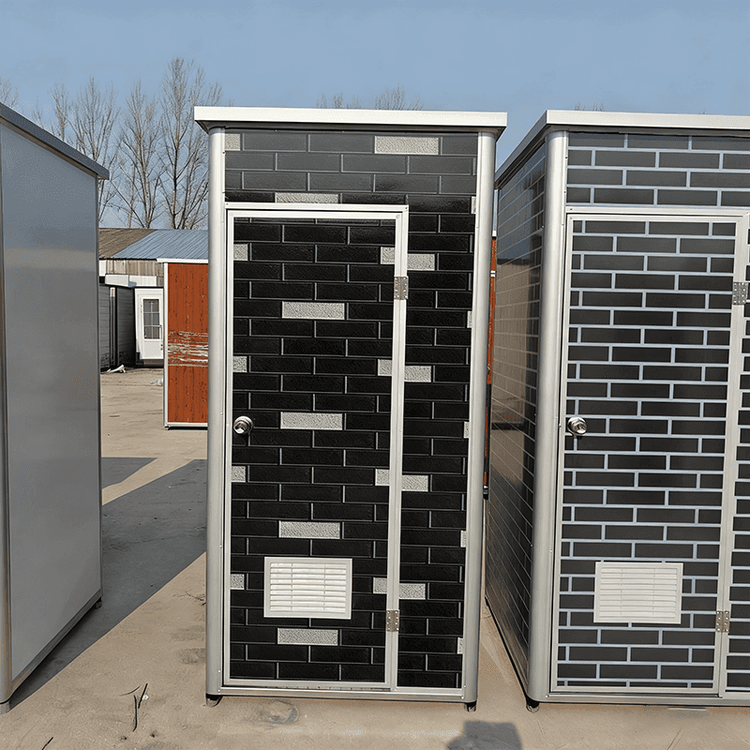
South Korea Portable Toilet
South Korea's portable toilets feature unique designs, advanced functions, and a strong emphasis on environmental protection and cultural integration.

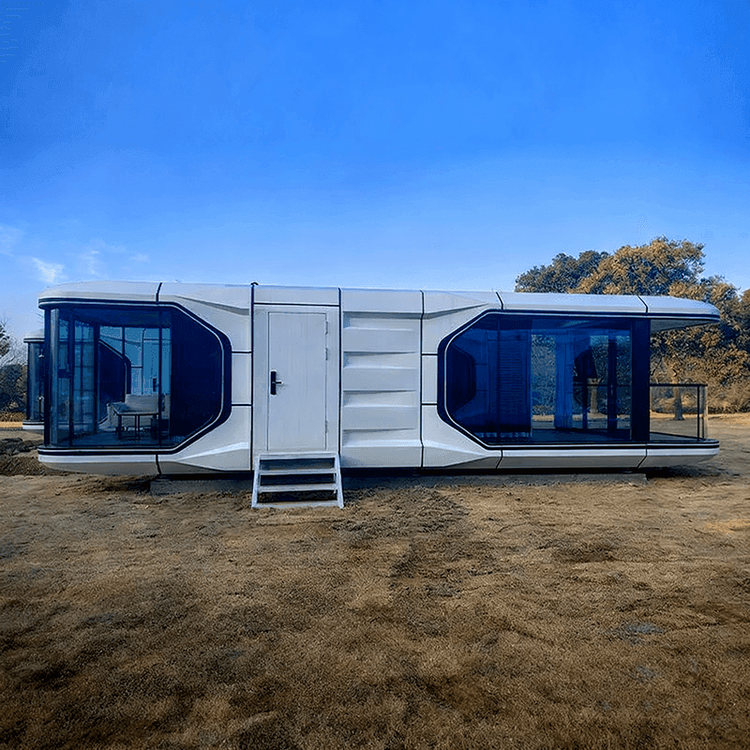
I. Customization and Unique Design South Korea's custom-made portable toilets are developed by local designers, emphasizing functional diversity and scenario adaptability. Their design not only meets basic sanitation needs but also achieves flexible combinations through modular structures. For example, independent modules such as load-bearing units, sanitation treatment units, and environmental control units can be assembled according to demand, enabling rapid deployment in outdoor events, temporary venues, and other scenarios. This design philosophy balances practicality and aesthetics, with some products already being exported, reflecting South Korea's innovative competitiveness in the field of portable toilets.
II. Breakthroughs in AI Autonomous Driving Technology Hyundai Motor in South Korea once introduced the world's first AI autonomous driving toilet concept—Mobilet. This system provides a 'toilet hailing service' through a dedicated application. After a user places an order, the autonomous toilet cabin can complete identity verification and automatically unlock using facial recognition technology. The cabin is equipped with contactless sanitation facilities (such as sensor faucets and automatic flushing systems) to reduce the risk of cross-infection. Its pricing model is tiered based on urgency, with compact toilet cabins arriving at maximum speed in the highest priority scenarios, even suggesting the establishment of dedicated lanes to shorten response times. This concept deeply integrates autonomous driving, the Internet of Things, and public health services, demonstrating South Korea's forward-looking exploration in the field of smart hardware.
III. Modularity and Scenario Adaptability In areas such as Yanbian Korean Autonomous Prefecture, portable toilet rental services adopt standardized modular designs. For example, the sanitation treatment unit integrates fecal harmless treatment technology, the environmental control unit is equipped with ventilation and temperature control systems, and the user interface unit optimizes operational convenience. This design enables rapid disassembly, assembly, and transfer of equipment, adapting to the needs of temporary large-scale events such as music festivals and sports events, while achieving a balance between cost and performance through the addition or removal of functional modules.
IV. Environmental Protection Philosophy and Cultural Alignment The promotion of portable toilets effectively reduces open defecation and lowers pollution to the natural environment. In Korean culture, the concepts of cleanliness and water conservation are deeply ingrained, making portable toilets equipped with water-saving technologies (such as recirculating water flushing systems) highly compatible with cultural values. Additionally, rental and sales models promote equipment recycling, reducing raw material consumption and energy use, aligning with sustainable development principles. For example, a single piece of equipment can replace the production of multiple new units through multiple rentals, significantly reducing lifecycle carbon emissions.