
Key Points for the Renovation of Portable Toilets
When renovating portable toilets, it is essential to focus on five key aspects: structural design, functional configuration, scenario adaptability, installation and maintenance, and design and production:
1. Structural Design and Material Selection
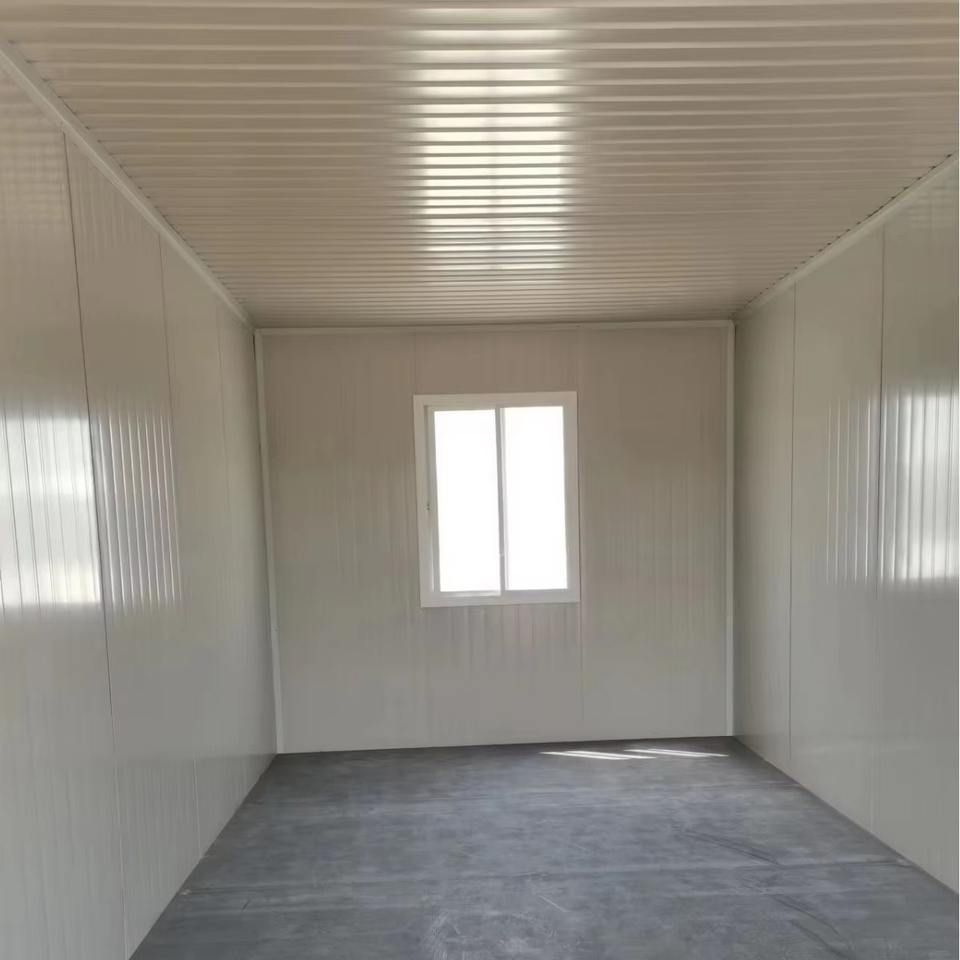
The main frame should be made of lightweight metal materials (such as iron sheet 02 profiles) to ensure structural strength while reducing transportation difficulty. The exterior should be covered with color-coated steel sheets and have edge-wrapping treatment to prevent sharp edges from being exposed. The interior should be filled with 5mm-thick foam material to enhance thermal insulation performance. The top and bottom should adopt a separated design, and the mode of shipping individual parts facilitates transportation. During on-site assembly, simple tools should be used to complete the splicing, ensuring tight connections between all components. Material selection should take into account durability (such as metal frames), waterproofing (such as color-coated steel sheets), and ease of cleaning (such as plastic fittings) to adapt to complex outdoor environments.
2. Functional Configuration and User-Friendly Details
The recommended standard dimensions are 1100*1100mm in width and length and 2000mm in height. The interior space should balance practicality and compactness. Standard equipment includes plastic windows and metal locks to provide basic ventilation and security protection. Edge-wrapping with color-coated steel sheets can prevent scratches. Depending on requirements, a shower function can be added, which requires waterproof sealing design (such as separating the drainage trough from the sewage collection bucket) to prevent water leakage. The equipment usually does not come with a base and needs to be placed on a flat, hard surface to ensure stability and avoid tilting or damage due to uneven ground.
3. Application Scenarios and Technical Adaptability
The modular design supports rapid deployment. It can be used as a single unit to cover scattered residential points or combined in multiple units to meet the needs of densely populated areas. Its portability allows for dynamic layout adjustments based on foot traffic, improving resource utilization. The dry-wet separation design separates wastewater from solid waste through drainage troughs and sewage collection buckets, reducing cleaning difficulty. However, regular maintenance (such as cleaning the sewage collection bucket and disinfecting the drainage trough) is required to prevent odor buildup.
4. Installation and Maintenance Precautions
Before assembly, check that all individual parts (such as color-coated steel sheets, foam interlayers, and connectors) are complete and undamaged. During installation, assemble the frame in the order specified in the instructions, ensuring smooth opening and closing of doors and windows before fixing the exterior panels. During use, avoid hitting the color-coated steel surface with hard objects to prevent the coating from peeling off and causing rust. In winter, prevent water from freezing and expanding, which can damage the structure; the foam interlayer can reduce internal heat loss. For long-term disuse, it is recommended to disassemble and store the equipment in a dry, ventilated place to extend its service life.
5. Design Principles and Production Key Points
The design should combine the comfort of indoor toilets with outdoor practicality. Material selection should focus on durability, waterproofing, and ease of cleaning (such as stainless steel or plastic). The structural design should reasonably arrange the interior space to ensure complete facilities (such as toilets, sinks, and storage shelves). Portable design (such as detachable structures and lightweight materials) facilitates transportation and installation. Equipped with cleaning equipment (such as high-pressure water guns) and disinfection systems (such as ultraviolet lights) to ensure hygiene and safety. During production, pay attention to anti-slip design (such as anti-slip patterns on the floor), ventilation equipment (such as exhaust fans), and ease of maintenance (such as modular interfaces), and provide clear usage instructions.
You may also like

Portable Toilet Eco-Friendly: MOQ, Samples & Quotation Guide
Read More
Top Portable Toilet Color Steel Manufacturers: How to Choose a Factory Partner
Read MorePortable Toilet Picture: Types, Features & Buying Tips
Read More