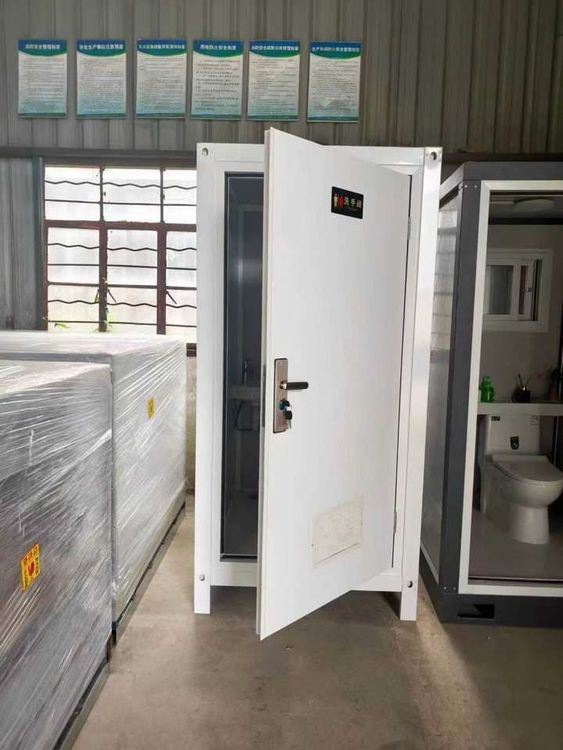
Kedilin Mobile Toilet
Currently, there is no specific public information available about the 'Kedilin Mobile Toilet'. The following is a popular science introduction covering common types, technical features, and application scenarios of mobile toilets:

Common Types
Mobile toilets can be classified into packing-type, foam-type, microbial degradation-type, and water-flush-type based on their treatment methods. Packing-type mobile toilets collect excrement using biodegradable plastic bags, which are then packed and sealed for centralized disposal. Foam-type toilets utilize foam generated by a foaming device to cover the inner walls of the toilet bowl, reducing odor emission and saving water. Microbial degradation-type toilets rely on microorganisms to decompose and transform excrement, achieving harmless treatment. Water-flush-type mobile toilets are similar to traditional toilets, using a water tank for flushing and cleaning, but require a sewage treatment system or regular cleaning of the sewage tank.
Technical Features
Different types of mobile toilets have their own technical advantages. Packing-type and foam-type mobile toilets have significant water-saving effects, making them suitable for areas with scarce water resources. Microbial degradation-type toilets have outstanding environmental performance, capable of converting excrement into organic fertilizer and achieving resource recycling. Water-flush-type mobile toilets have high cleanliness, providing a better user experience, but have higher requirements for sewage treatment. In addition, modern mobile toilets also emphasize intelligent design, such as being equipped with automatic induction flushing, intelligent deodorization, temperature regulation, and other functions to enhance user comfort.
Application Scenarios
Mobile toilets are widely used in various scenarios due to their flexibility and convenience. They can be quickly deployed in large-scale outdoor events (such as music festivals and sports events) to meet the needs of a large number of people. In construction sites, they provide temporary sanitation facilities for workers. In tourist attractions, they solve the problem of tourists' toilet needs while reducing damage to the natural environment. In disaster relief sites, they serve as emergency sanitation facilities to ensure the basic living needs of affected people.
Purchase Recommendations
When purchasing a mobile toilet, it is recommended to consider factors such as the usage scenario, number of users, and budget. For example, for short-term events, cost-effective packing-type or foam-type toilets can be selected. For long-term use or scenarios with high hygiene requirements, microbial degradation-type or water-flush-type toilets can be chosen. At the same time, attention should be paid to indicators such as product material, durability, and maintenance convenience to ensure the purchase of cost-effective products.