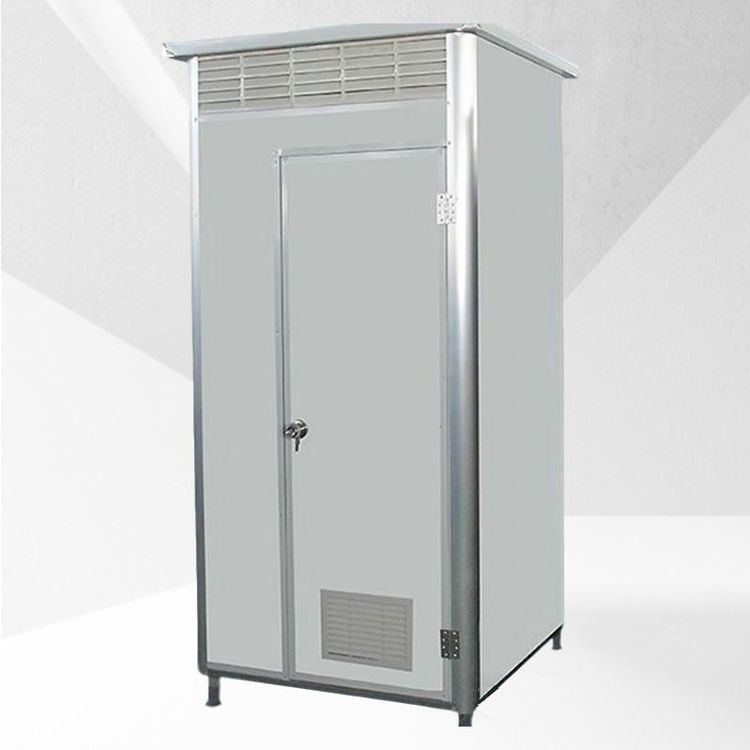
Kaisajiaxin Mobile Toilet
Currently, there is no specific information available about the 'Kaisajiaxin Mobile Toilet' for introduction. The following provides a general overview of mobile toilets:
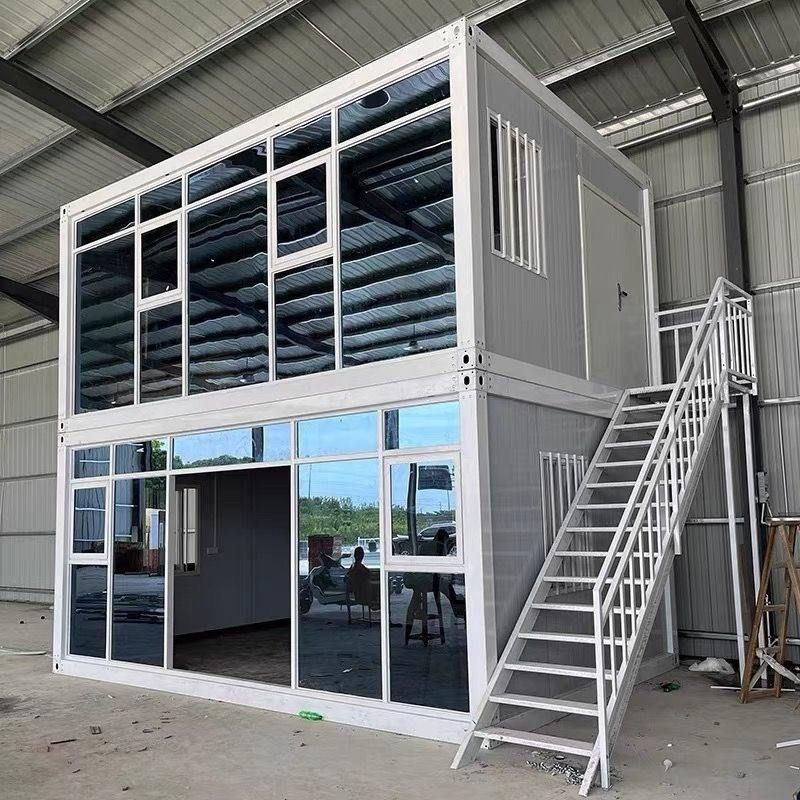
Mobile toilets are public sanitation facilities that are movable and can be flexibly arranged. Compared to traditional fixed toilets, they offer numerous significant advantages.
1. High Flexibility Mobile toilets are not restricted by geographical location and can be quickly moved and installed according to actual needs. At large-scale events such as music festivals and sports competitions, they can be adjusted in a timely manner based on crowd distribution to meet the toilet needs of people in different areas. On construction sites, as the project progresses, mobile toilets can be relocated to suitable locations at any time to provide convenience for construction workers. At natural disaster relief sites, they can be rapidly set up to address the basic living needs of affected people and rescue personnel.
2. Good Environmental Performance Many mobile toilets employ advanced environmental protection technologies. For example, some use biodegradation technology, where specific microorganisms decompose excrement into harmless substances, reducing environmental pollution. Others are equipped with sewage treatment systems that purify used wastewater to meet discharge standards before releasing it, preventing damage to soil and water sources.
3. Easy Installation Mobile toilets usually adopt a modular design, with each component prefabricated in the factory. After being transported to the site, they only require simple assembly and connection to be put into use. This installation method significantly shortens the construction period and reduces construction difficulty and costs. Moreover, when they are no longer needed, they can be easily disassembled and transported away without leaving construction waste, having a minimal impact on the environment.
4. Diverse Appearances The exterior design of mobile toilets can be customized according to different usage scenarios and requirements. They can blend in with the surrounding environment. For example, in tourist attractions, they can be designed in a style with local characteristics, becoming a unique scenic spot. On city streets, they can adopt a simple and modern appearance to enhance the city's image.