Back to blog
Article
Kaiping Container House
Admin September 15, 2026
Kaiping container houses mainly come in foldable, standard, and customized types, featuring stable structures, convenient installation, and optimized costs. They are widely used in construction site housing, commercial spaces, and emergency support areas.

I. Types and Structural Features
Kaiping container houses are mainly divided into three categories:
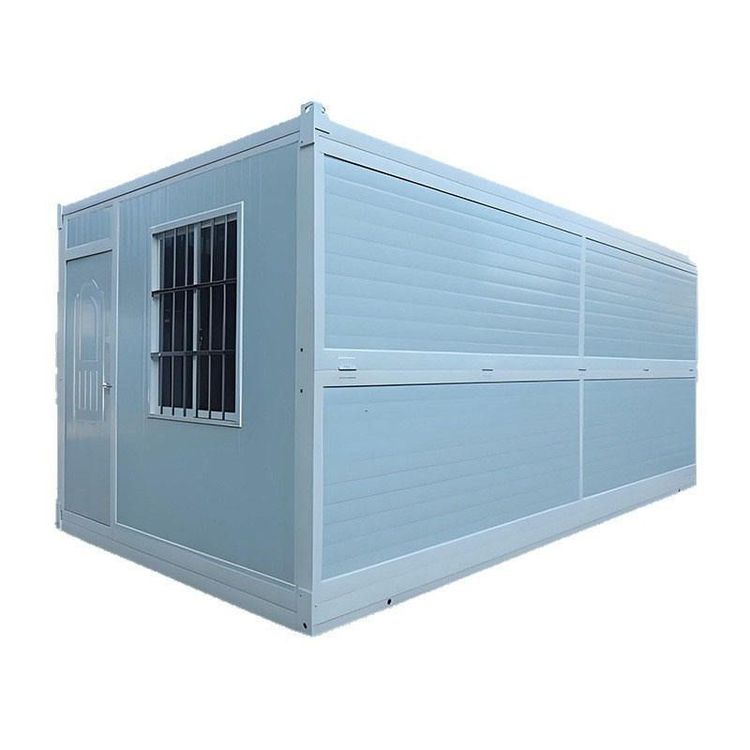
- Foldable Container Houses: These adopt a lightweight design with few welded parts, ensuring stable structures and neat appearances. Their core advantage lies in convenient on-site installation, which can be completed by 2-3 people in a short time. They have low transportation costs, with 6-meter vehicles able to carry 6 units and 17.5-meter flatbed trucks able to carry 20 units. During storage, they can be stacked in multiple layers to save space.
- Standard Container Houses: These are modified based on shipping containers, with uniform dimensions (e.g., a 40-foot container, when combined, measures 11.8m×6.75m×2.8m), facilitating transportation and stacking. The main frame is made of C-shaped or H-shaped steel, providing an earthquake resistance of up to magnitude 8. The walls are filled with fire-resistant rock wool color-steel composite panels, offering insulation, soundproofing, and fire protection functions.
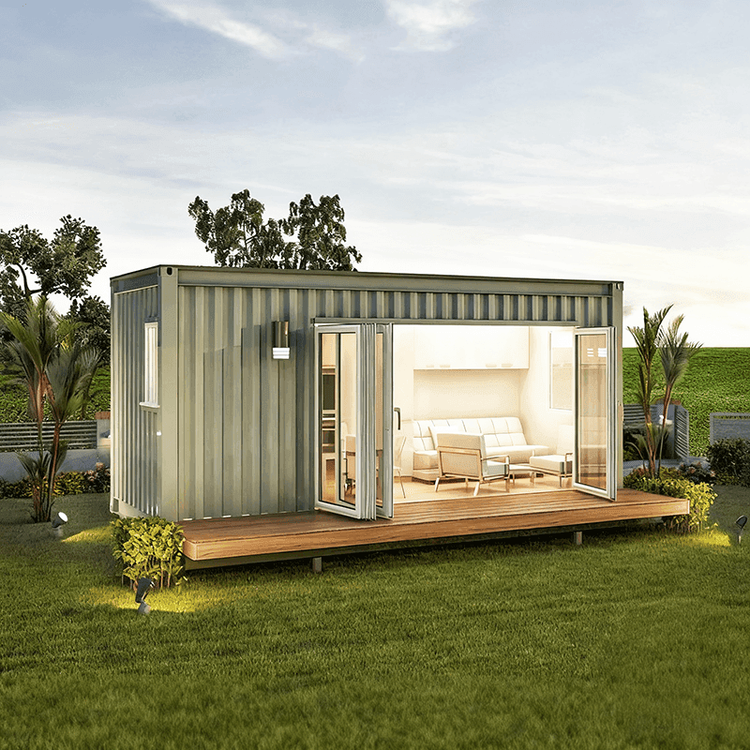
- Customized Integrated Houses: These can flexibly combine spaces according to needs, equipped with complete water and electricity systems and supporting solar power access. For example, the duplex container house provided by Guangzhou Jinge Company has a usable area of 80 square meters, with internal divisions for a living room, bedroom, and office area, suitable for long-term residence or commercial use.
II. Application Scenarios and Advantages
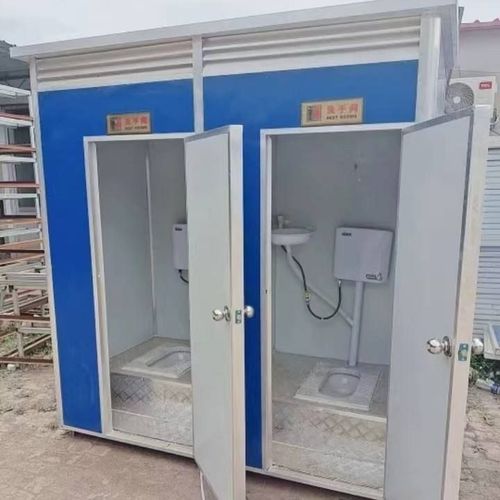
- Construction Engineering Field: As worker dormitories or project office spaces, container houses can be quickly deployed. For example, a road construction project used 20 container houses to complete the camp construction in 3 days. The containers are equipped with air conditioning interfaces and independent bathrooms, significantly improving living conditions.
- Emergency Support System: After disasters, container houses can establish temporary shelters within 12 hours. The Flood Control Headquarters in Changle County purchased 50 prefabricated houses, with each unit able to accommodate 6-8 people, meeting emergency shelter needs.
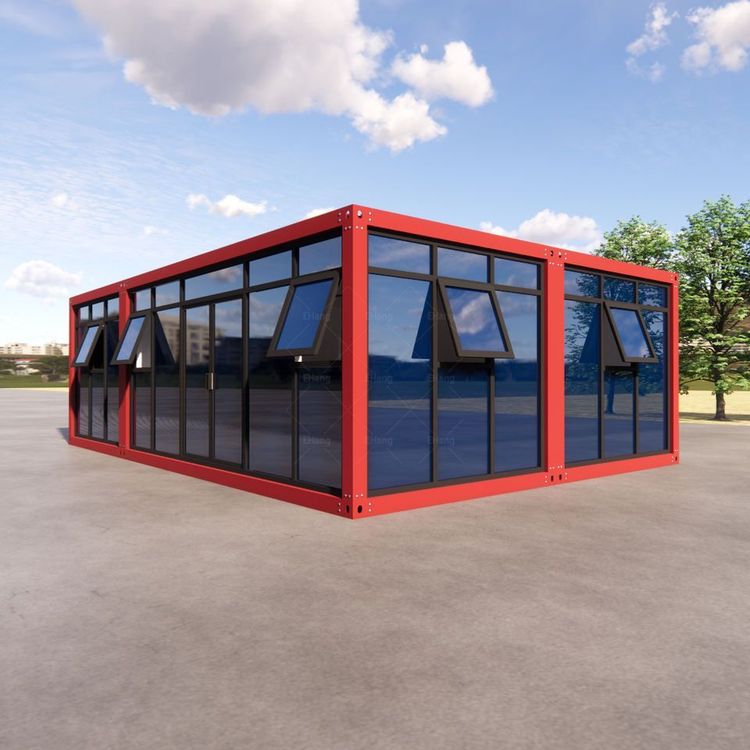
- Commercial Space Innovation: After creative modifications, container houses can be used as characteristic homestays, mobile shops, or restaurants. A container restaurant in Weifang City has an average daily customer flow of 150 people, demonstrating its commercial value.
III. Cost and Environmental Benefits
The total life cycle cost of container houses is about 40% lower than that of traditional temporary buildings. Their modular design achieves an 85% factory prefabrication rate, shortening on-site construction periods. The materials are recyclable, and after project completion, 90% of the containers can be reused in new projects after maintenance, reducing construction waste and resource waste.