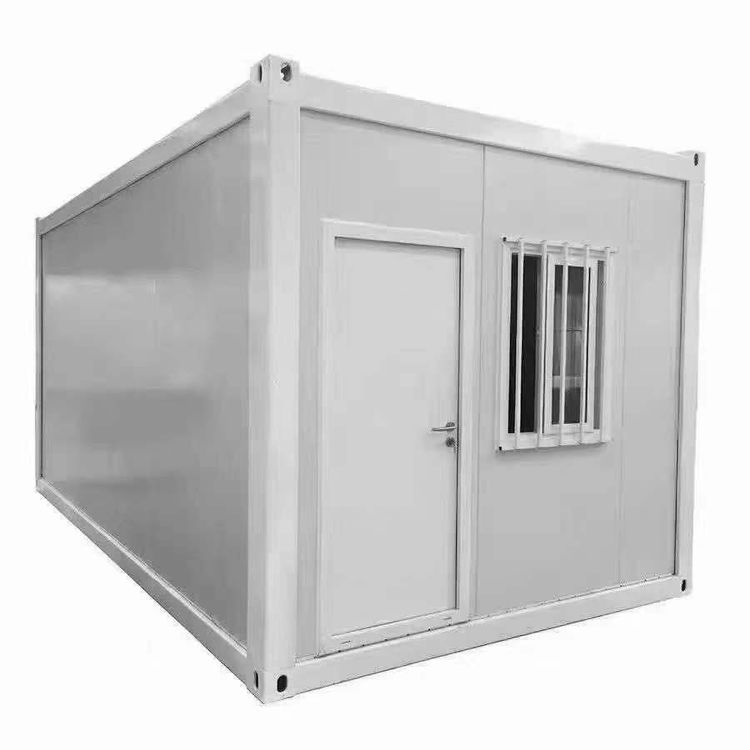
Kaifeng New Type Mobile Toilet Door
The doors of Kaifeng's new-type mobile toilets focus on ensuring privacy and durability as their core basic configurations. Currently, no innovative special features have been identified, but they possess the following key characteristics:

Door Lock and Privacy Protection Design
Mobile toilet doors are generally equipped with lockable door locks, which are the fundamental configuration for ensuring user privacy. Some products further enhance privacy through the use of curtains or partition designs. For example, detachable soft curtains are added on the inner side of the door frame, which can block external views while being easy to clean and maintain. This design is particularly suitable for public places or areas with high foot traffic, effectively preventing privacy breaches due to door lock failures or user negligence.
Material and Structural Characteristics
The choice of door materials is centered around adapting to outdoor environments. The outer frame, serving as the door's support structure, often adopts square or circular designs to ensure stability and facilitate modular assembly. The door body itself is typically made of high-strength fiberglass or stainless steel:
- High-strength fiberglass: It is lightweight, corrosion-resistant, and impact-resistant, making it suitable for use in coastal or humid areas. It can effectively withstand erosion from rainwater and salt spray, extending the service life.
- Stainless steel: Mainly of types 304 or 316, it offers excellent rust resistance and mechanical strength, suitable for high-frequency use scenarios such as tourist attractions and construction sites. Its smooth surface also facilitates regular disinfection, meeting public health requirements.
Waterproof and Weather Resistance Optimization
The door design needs to match the overall waterproof performance of the mobile toilet. Sealing strips or embedded structures are usually used at the connection between the door frame and the wall to prevent rainwater from seeping inside. Some products also feature drainage channels at the bottom of the door to avoid corrosion caused by water accumulation. Additionally, metal components such as door hinges and locks undergo galvanizing or spray-coating treatments to further enhance weather resistance, ensuring normal opening and closing in temperature ranges from -20℃ to 50℃.
Applicable Scenarios and Limitations
The current configuration can meet the needs of most temporary or semi-permanent use scenarios, such as outdoor events, emergency rescue operations, and construction projects. However, it should be noted that if used in extreme climates (such as strong winds or heavy snow) or at high altitudes, additional reinforcement of the door structure or the addition of auxiliary support devices may be required. Currently, no reports have been found on new features such as smart door locks or automatic sensing switches. In the future, remote monitoring or fault warnings may be achieved through IoT technology, but this needs to be considered in conjunction with actual needs and cost factors.