Kaifeng Mobile Environmental Toilet Inspection
The inspection of mobile environmental toilets in Kaifeng mainly includes three aspects: structural load-bearing capacity inspection, exhaust emission inspection, and hygiene inspection.
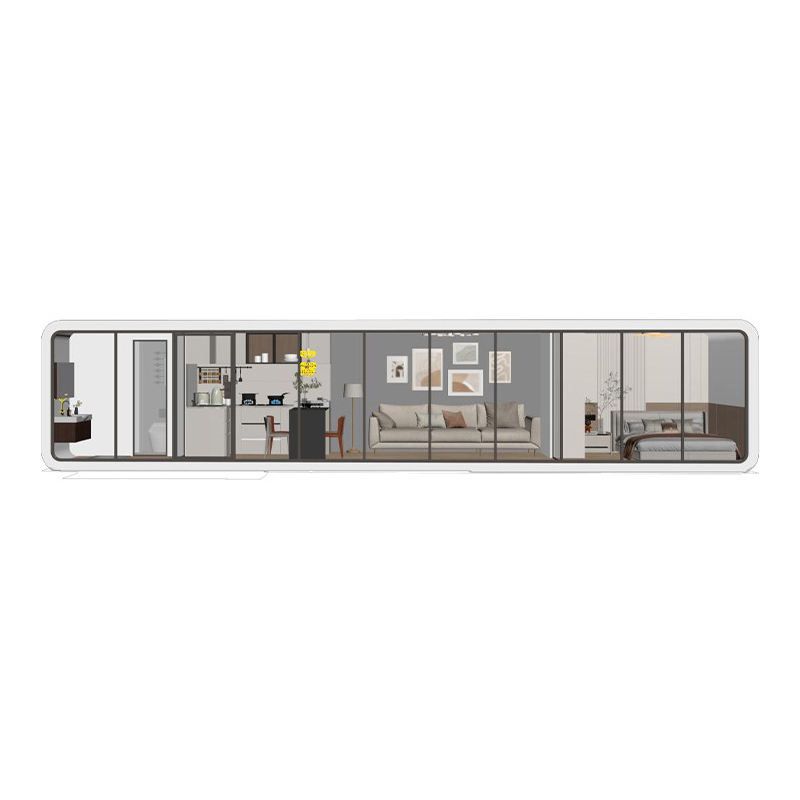
Structural load-bearing capacity inspection is a crucial step to ensure the safety of mobile toilets. During the inspection, factors such as dead loads (e.g., the self-weight of the toilet), live loads (e.g., loads generated by human activities), wind loads, seismic actions, and material parameters need to be comprehensively considered. Actual data is obtained through on-site inspections and combined with original design and construction documents. Professional software (such as PKPM) is then used for load-bearing capacity calculation and analysis. This process can evaluate whether the structure of the mobile toilet meets design requirements and can remain stable under various loads, thereby safeguarding the safety of users.
Exhaust emission inspection primarily targets mobile toilets involving mechanical emissions, such as facilities equipped with non-road mobile machinery (e.g., generators, fecal suction trucks). This type of inspection needs to be carried out jointly by the ecological environment department and third-party institutions, focusing on detecting the content of harmful substances in the exhaust, such as nitrogen oxides and particulate matter, to ensure that emissions comply with national or local environmental protection standards. This step is of great significance for reducing the environmental pollution caused by mobile toilets and protecting the surrounding air quality.
Hygiene inspection is an important measure to ensure the hygiene conditions of mobile toilets. When renting or using mobile toilets, the lessor is required to provide a hygiene inspection report to prove that the equipment meets the relevant requirements of the "Urban Public Toilet Hygiene Standard" (CJJ/T 14-2016). Hygiene inspections typically include inspections of the toilet's internal environment, facility cleanliness, disinfection effectiveness, etc., to ensure that mobile toilets can provide a safe and hygienic usage environment and prevent the spread of diseases.