Kaifeng Cement Prefabricated House
The cement prefabricated houses in Kaifeng are modular buildings primarily constructed with a full reinforced concrete structure, featuring high construction efficiency, low cost, and strong durability, suitable for low-rise building needs in non-seismic zones.

Structural and Construction Features
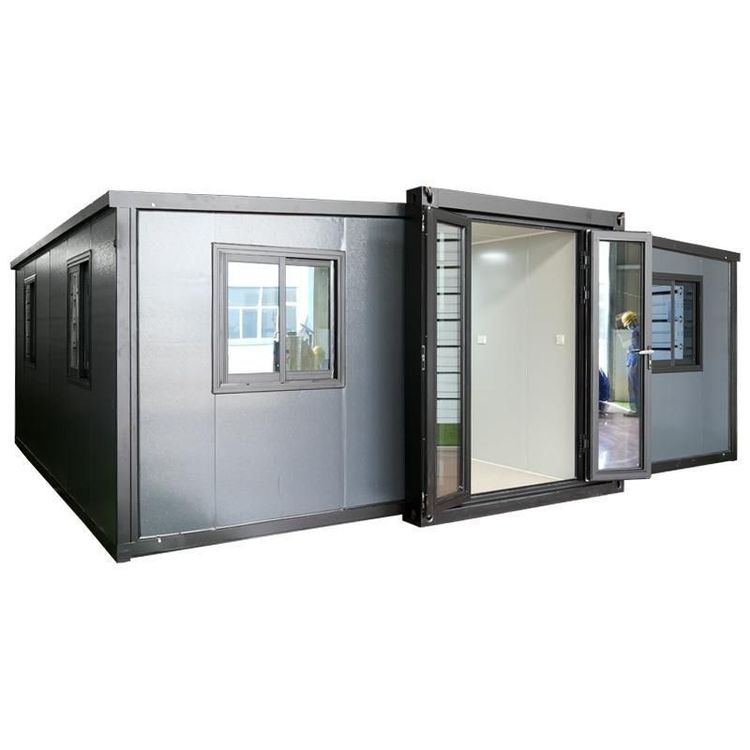
Cement prefabricated houses adopt a factory-prefabricated modular production method, with the main structure made of full reinforced concrete. Modules are cast in the factory and then transported to the site for assembly using high-strength mortar. Extremely fast construction speed: A villa can be hoisted and assembled in as little as 4 hours, and a multi-story building can be capped within two days, significantly shortening the construction period. Outstanding cost advantage: The cost per square meter is only around 300 yuan, with the total price for a 200-square-meter house being approximately 60,000 yuan, about half that of traditional brick-concrete structures, making it suitable for rural and economical housing needs.
Performance and Quality Assurance
The houses come with a 70-year warranty period. The modules themselves, made of reinforced concrete, offer advantages such as strong durability, corrosion resistance, and good fire resistance. However, it is important to note that the design of the joints is crucial: reasonable construction is required to ensure seismic performance. Experts recommend that such houses be only suitable for non-seismic zones and should not exceed 5 stories. The modular structure performs stably under vertical loads, but the transfer of horizontal loads (such as seismic forces) depends on the reliability of the joint connections, so strict adherence to seismic codes is necessary during the design phase.
Application Scenarios and Limitations
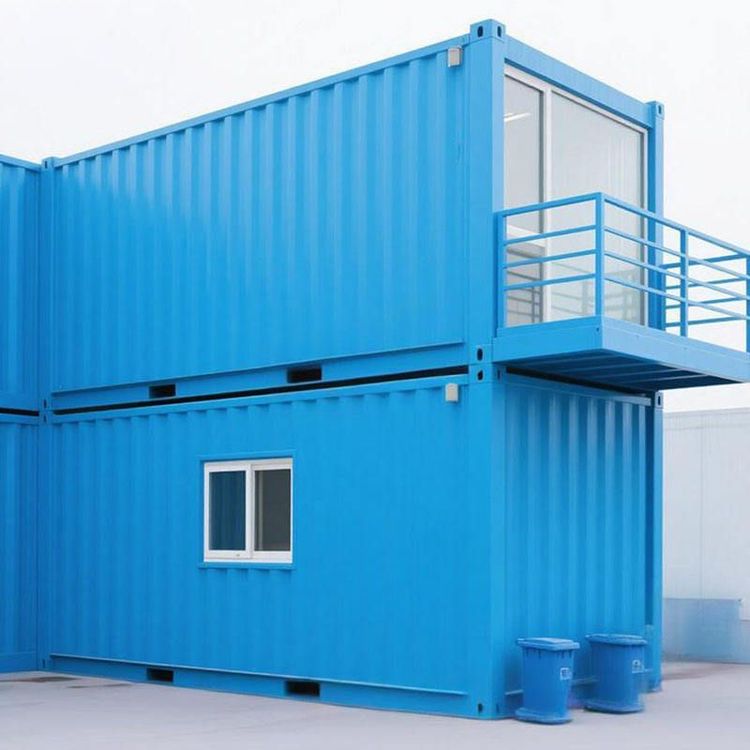
Currently, cement prefabricated houses in Kaifeng have been widely applied in rural residences, dormitories, office buildings, and other low-rise structures, meeting the demands for rapid construction, low cost, and replicability. Their modular nature also supports personalized layout adjustments, such as achieving flexible space division by combining different functional modules. However, due to seismic requirements, they are not suitable for earthquake-prone areas or high-rise buildings. Additionally, the transportation radius of the modules may affect costs, necessitating optimization of the supply chain in conjunction with factory layout.
Summary of Technological Advantages
This technology addresses the issues of low on-site construction efficiency and quality fluctuations in traditional construction through industrialized production, while providing a sustainable solution for rural housing construction with low cost and long lifespan. In the future, if further breakthroughs can be made in the seismic technology of joint connections, its application scope is expected to expand to more scenarios.