Back to blog
Article
Jiyuan Prefabricated Container House
Admin September 15, 2026
Jiyuan prefabricated container houses feature modular design, rapid assembly, environmental protection, and cost-effectiveness, making them suitable for temporary housing, construction site offices, cultural tourism facilities, and other scenarios. The following provides an introduction from four aspects: product types, material processes, application scenarios, and selection considerations.
I. Common Product Types
Prefabricated container houses in the Jiyuan area are mainly divided into three categories:
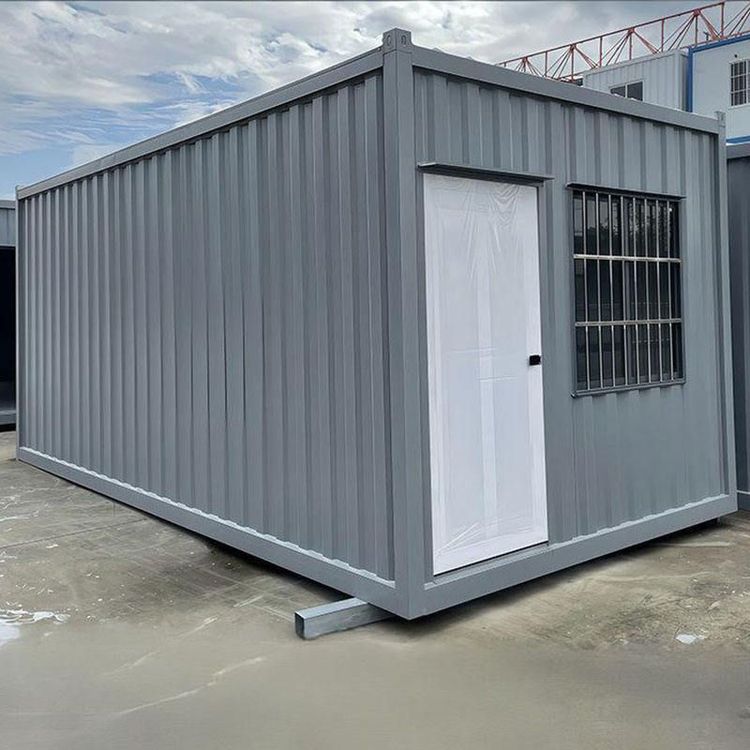
- Packing-box container houses: These use hot-dip galvanized cold-formed steel frames paired with fire-resistant polyurethane sandwich panels, offering thermal insulation and fire protection. They can be used independently or stacked in multiple layers, suitable for construction site dormitories, office areas, and temporary meeting rooms.
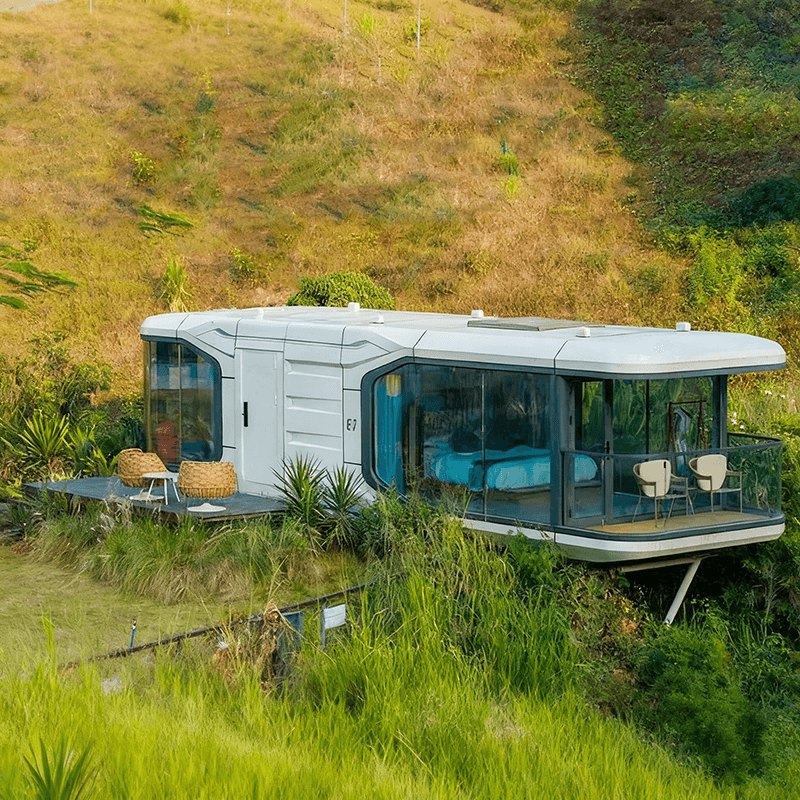
- Light steel keel houses: These adopt cold-formed thin-walled light steel keels as the load-bearing structure, with walls filled with thermal insulation materials such as rock wool or glass wool. The appearance and layout can be flexibly customized, making them suitable for self-built houses, homestays, and scenic area support facilities.
- Functional booths and support facilities: Their size and internal layout can be adjusted according to needs, commonly found in security booths, property booths, and environmental public toilets.
II. Material and Process Characteristics
- Structural materials: The main frames mostly use hot-dip galvanized cold-formed steel, providing good rust and corrosion resistance. Wall panels commonly use rock wool, glass wool, or polyurethane sandwich panels, offering both thermal insulation and fire protection.
- Production processes: Manufactured in batches through standardized production lines, core processes include steel frame welding, wall and roof panel prefabrication, and internal water and electricity pipeline embedding. Most processes are completed in the factory before transportation to the site for rapid assembly, reducing wet work and construction periods.
- Environmental performance: The materials are recyclable, with high metal recovery rates after disposal, aligning with green construction practices and suitable for densely populated or ecologically sensitive areas.
III. Typical Application Scenarios
- Construction engineering: Used as temporary housing for project departments, worker dormitories, and warehouses, with spatial layouts adjustable according to the number of occupants.
- Municipal and sanitation: Serving as temporary command posts or material storage points for street greening maintenance and pipeline repairs, they are mobile and occupy little space.
- Cultural tourism and energy: Suitable as support facilities for mining operations and wind/solar power stations, they are weather-resistant and easy to relocate with project progress.
IV. Key Selection Considerations
- Structural stability: Prioritize products with high wind resistance and anti-slip bases to adapt to complex terrains.
- Fire and thermal insulation: Ensure sandwich panels have fire safety certifications and low thermal conductivity to effectively regulate indoor microclimates.
- Modular flexibility: Standardized interfaces support horizontal expansion and vertical stacking, meeting single-story or multi-story combination needs.
- Manufacturer service capabilities: Evaluate the maturity of steel structure processing techniques, compliance of wall panel fire ratings, and support for custom sizes or special functions.
Related