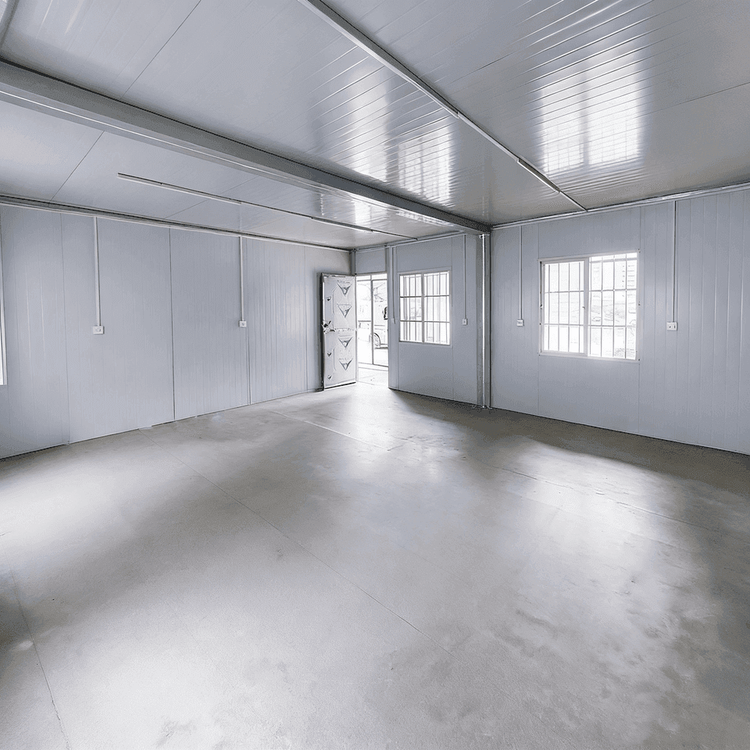
Jiuquan Park Mobile Toilet Installation
The installation of mobile toilets in Jiuquan Park requires comprehensive consideration of spatial efficiency, environmental adaptability, and functional requirements. The specific process and key points are as follows:

1. Site Selection and Foundation Preparation
Before installation, select a densely populated area with a flat ground as the deployment point to ensure the stability of the mobile toilet. A flat ground can prevent structural tilting or pipeline connection issues caused by an uneven foundation. Additionally, reserve pipeline and power interfaces (if electric equipment is used). When selecting the site, consider coordination with the park's landscape to avoid disrupting the overall environmental layout.
2. Modular Deployment and Functional Connection
Mobile toilets are designed with a modular approach, allowing for rapid assembly at the designated location. During installation, connect necessary pipelines (such as water supply and sewage) and power sources (such as lighting and ventilation systems). Their self-contained treatment systems (such as biodegradation, chemical solidification, or vacuum collection technology) do not rely on underground sewage networks. Waste is independently processed through built-in devices, reducing dependence on external infrastructure.
3. Material and Structural Characteristics
The main body materials are mostly composite materials such as fiberglass and polyethylene, which offer advantages such as corrosion resistance, lightweight construction, and standardized production, facilitating component replacement and long-term maintenance. Given the significant temperature variations between day and night in the Jiuquan region, the toilets are equipped with insulation layers to maintain stable internal temperatures. Additionally, water-saving flushing devices or waterless treatment systems (such as foam sealing technology) are used to reduce water consumption and adapt to the arid climate.
4. Environmental Adaptability and Functional Optimization
The ventilation system design effectively regulates indoor air quality, reducing odor accumulation. The exterior design should be consistent with the park's overall style, such as using wood-grain or natural color scheme casings, while maintaining visibility through signage. Furthermore, the layout of the mobile toilets should balance privacy and accessibility, avoiding interference with visitor flow.
5. Post-Installation Inspection and Maintenance
After deployment, conduct functional tests, including flushing, lighting, ventilation, and waste treatment systems, to ensure all equipment operates correctly. Regular maintenance includes cleaning and disinfection, consumable replacement (such as biodegradation bacteria), and structural inspections to extend service life and maintain hygiene standards.
Through the above process, mobile toilets in Jiuquan Park can achieve efficient deployment and sustainable operation, balancing visitor needs and environmental protection.