
Jiuquan Mobile Public Toilet Rental
Jiuquan mobile public toilets offer rental services, featuring a variety of types and ecological adaptability, suitable for multiple scenarios and meeting the special needs of the northwest region.
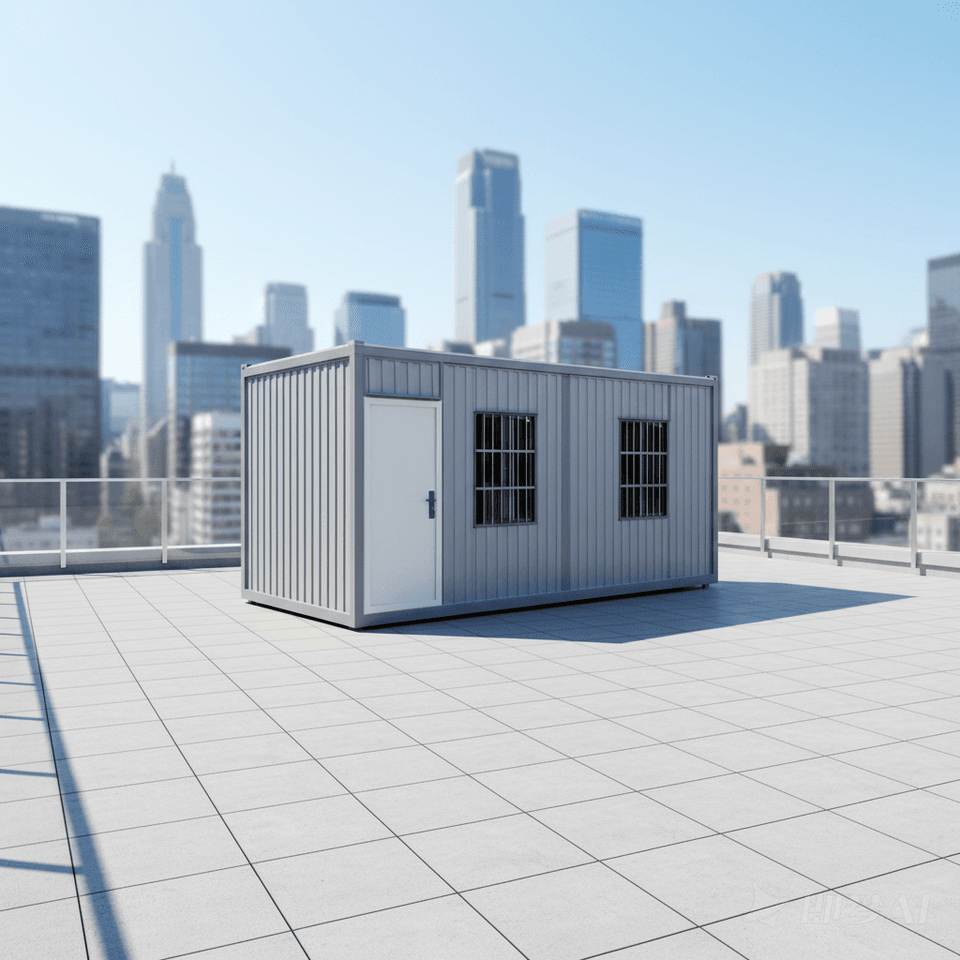
Rental Services Cover Multiple Scenarios with Flexible Modes
The mobile toilet rental services in Jiuquan cover large-scale events such as music festivals, concerts, and marathons, as well as construction sites, military training, temporary events, and scenic area drills. The services provide 24-hour response and support various rental modes, including long-term, daily, and hourly rentals. Some merchants can cover the entire Jiuquan area and offer free shipping. This flexibility allows for quick adaptation to different scales and durations of needs. For example, short-term events can opt for daily rentals, while long-term construction projects are better suited for long-term rentals.
Diverse Types to Meet Different Functional Needs
Mobile toilet types include epidemic prevention centers, portable, outdoor, packaged, high-rise interior, scenic area, lightweight, luxury, second-hand, and specialty mobile toilets. For instance, scenic area mobile toilets need to balance aesthetics and practicality, while construction site scenarios may prioritize durability. Luxury mobile toilets are equipped with more comprehensive facilities, suitable for high-end events or long-term fixed locations.
Ecological Toilet Design Adapted to Northwest Climate
In response to the characteristics of large temperature differences between day and night and frequent sandstorms in the northwest region, scenic area mobile public toilets use weather-resistant material enclosures and are equipped with insulation layers and ventilation systems internally to ensure stable operation of the equipment under extreme weather conditions. Their operational mechanism focuses on water conservation, with most adopting microbial degradation or foam sealing technologies: microbial degradation breaks down organic matter into harmless substances through specific bacterial colonies; foam sealing technology uses a small amount of foaming liquid to cover excreta, achieving visual isolation and odor control while significantly reducing water consumption.
Sustainability in Materials and Energy Supply
Wall panels are made of recycled plastics or metal composites, featuring UV resistance and corrosion resistance. Internal sanitary ware uses nano-glazed surfaces to reduce dirt adhesion and extend maintenance cycles. Modular connection components support quick disassembly and replacement, reducing maintenance costs. Energy supply relies on off-grid systems, with rooftop integrated solar panels providing power for lighting, ventilation, and control circuits. Advanced models are equipped with energy storage batteries to ensure functionality at night or on cloudy days. The control system monitors usage status through sensors to achieve on-demand energy allocation.
Waste Disposal and Scenic Area Layout Optimization
Waste disposal follows the principle of in-situ conversion: liquids are disinfected and filtered for non-contact green irrigation, while solids are fully degraded and used as soil amendment substrates, with closed-loop processing to avoid pollution. Facility layout is planned based on tourist activity heat maps, with additional units added in peak areas and positions adjusted seasonally. The appearance adopts a low-visual-impact design, blending into the natural landscape and minimizing impact on the scenic area's aesthetics. In the long run, its resource closed-loop design reduces reliance on external infrastructure, and maintenance data can also provide references for assessing the ecological carrying capacity of scenic areas.



