
Jiujiang Scenic Area Mobile Toilets
The design and configuration of mobile toilets in Jiujiang scenic areas need to balance aesthetics, environmental protection, and practicality, which can be elaborated from aspects such as exterior design, functional configuration, quantity planning, and flexible application.
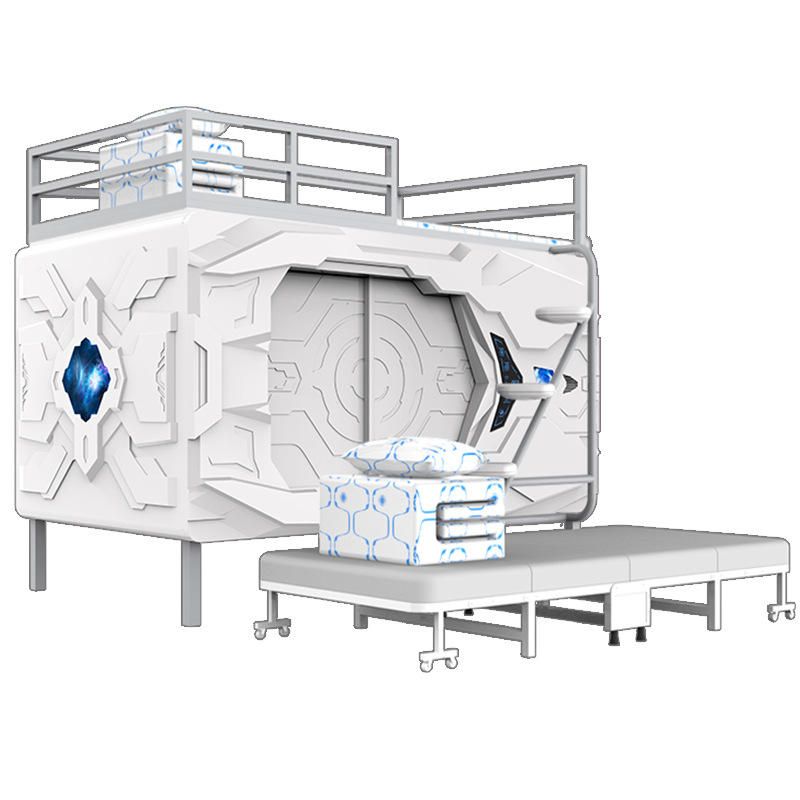
1. Exterior Design: Focus on Harmony with the Natural Environment
The exterior design of mobile toilets in Jiujiang scenic areas should adopt styles such as wood-like or antique to blend in with the surrounding natural or cultural landscapes. For example, Mount Lu, as a dual heritage site of nature and culture, has enhanced its overall image through clean and aesthetically pleasing designs of its tourist restrooms. Mobile toilets can draw on such experiences, reducing artificial traces through material and color combinations to avoid disrupting the visual harmony of the scenic area. Additionally, green plant decorations can be placed externally to further enhance the ecological atmosphere.
2. Functional Configuration: Emphasize Environmental Protection and Humanization
- Energy Supply: Install solar panels for power supply to reduce reliance on the traditional power grid and lower carbon emissions, meeting environmental protection requirements.
- Water-Saving Technology: Equip with water-saving flushing devices, such as sensor-based or low-flow flushing systems, to reduce water consumption, especially suitable for water-sensitive areas.
- Safety and Convenience: Add emergency call buttons to facilitate tourist assistance in sudden situations; install handrails for the disabled to meet barrier-free access needs, reflecting humanistic care.
- Sanitation Management: Place garbage sorting recycling bins outside the restrooms to guide tourists in sorting and disposing of garbage, improving the environmental sanitation level of the scenic area.
3. Quantity Planning: Scientific Layout to Meet Demand
Based on the size of the scenic area, it is recommended to configure one restroom every 500 square meters, with each restroom including one universal restroom (for special groups such as families and the disabled). This standard can ensure that tourists can easily find restrooms during their visits while avoiding resource waste. For example, Mount Lu has achieved the goal of complete facilities and advanced equipment through reasonable planning of restroom distribution, and the layout of mobile toilets can refer to such mature cases.
4. Flexible Application: Single-Unit Design to Adapt to Peak Season Demand
During the peak tourist season, single-unit mobile toilets can be added in scenic areas around Mount Lu and Poyang Lake. These toilets are compact in design, do not damage the original environment, and have lower monthly rental costs than newly built toilets, offering significant cost-effectiveness. Their flexibility also allows them to respond to fluctuations in tourist traffic, such as being quickly deployed during holidays or large-scale events to alleviate pressure on public facilities.
In summary, mobile toilets in Jiujiang scenic areas need to achieve a balance between environmental protection, practicality, and aesthetics through exterior integration, functional optimization, scientific planning, and flexible application, thereby enhancing the tourist experience and maintaining the ecological and cultural value of the scenic areas.



