
Jiujiang Mobile Toilet Assembly
The assembly of mobile toilets in Jiujiang varies depending on different scenarios and types. Here are some common assembly methods:
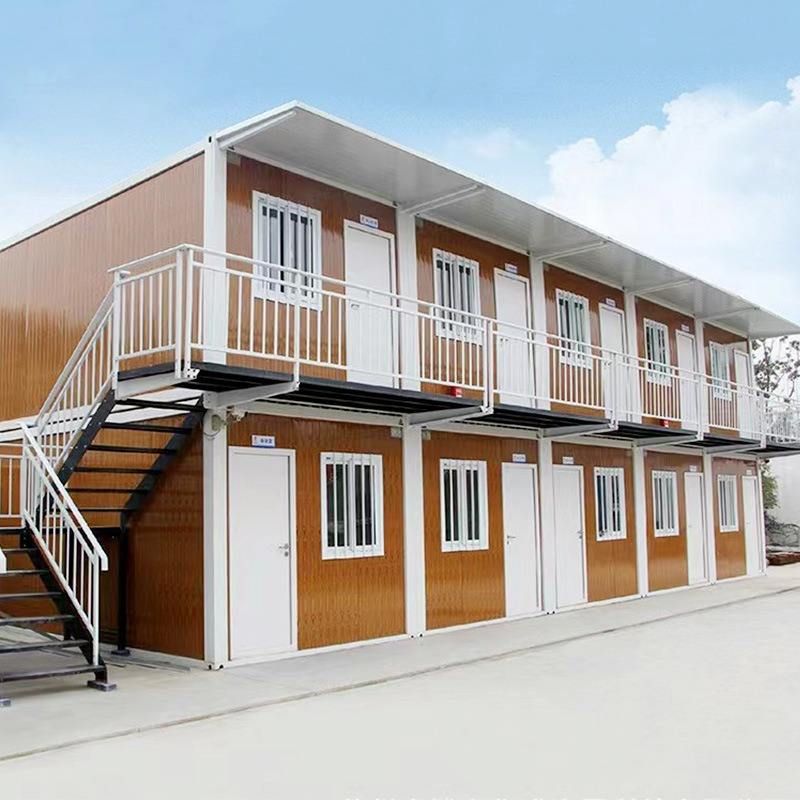
I. Rental and Installation Process for Mobile Toilets at Music Festivals
- Demand Communication and Planning: It is necessary to clarify the scale, site layout, and expected foot traffic with the rental company in advance to ensure that the number of toilets matches the usage requirements.
- Selection of Installation Location: Prioritize flat and solid areas, avoid low-lying or soft ground, and reserve passage space to prevent interference with pedestrian flow.
- On-site Installation and Debugging:
- Fix the toilet position to ensure stability;
- Connect the sewage pipes, check the tightness to prevent leakage;
- Test the water and electricity facilities to ensure that functions such as lighting, ventilation, and flushing are normal;
- Clean and disinfect the interior to ensure hygiene standards are met.
- Daily Maintenance: Regularly clean the waste, replenish consumables (such as toilet paper and hand sanitizer), and check the equipment's operating status.
II. Service Process for Prefabricated Mobile Toilet Projects Taking the Jiujiang Binjiang Cultural and Tourism Supporting Project as an example, the assembly process is more systematic:
- Demand Communication and Scheme Design: Professional companies communicate in-depth with clients, provide a preliminary scheme free of charge, and refine the design based on feedback to clarify toilet specifications, functional modules (such as barrier-free facilities and baby care rooms), and appearance styles.
- Production and Transportation: The factory prefabricates according to demand, strictly inspects the quality before leaving the factory, and delivers the products to the site.
- On-site Assembly and Acceptance:
- Assemble structural components such as side panels and door panels, and fix them with buckles or bolts;
- Install internal facilities (such as toilets, urinals, and tissue dispensers);
- Connect the water, electricity, and sewage systems, and debug the equipment operation;
- Conduct a final acceptance to ensure compliance with design standards and usage safety.
III. Specific Assembly Steps for Sitting Mobile Toilets Suitable for small independent toilets:
- Structural Assembly: Install side panels and door panels in sequence and fasten the buckles to ensure that the structure is stable and the door panels cannot be easily opened by external force.
- Facility Installation: Fix accessories such as tissue dispensers and urinals, paying attention to reasonable positions for ease of use.
- Function Inspection: After fastening all the buckles, test functions such as flushing and ventilation to ensure there is no looseness or abnormal noise.
Key Points of Assembly: Regardless of the scenario, it is necessary to ensure structural stability, good tightness, and normal function, and comply with hygiene and safety standards. For large-scale projects, it is recommended to choose a professional company for integrated services, and for small toilets, refer to the instruction manual for step-by-step operation.



