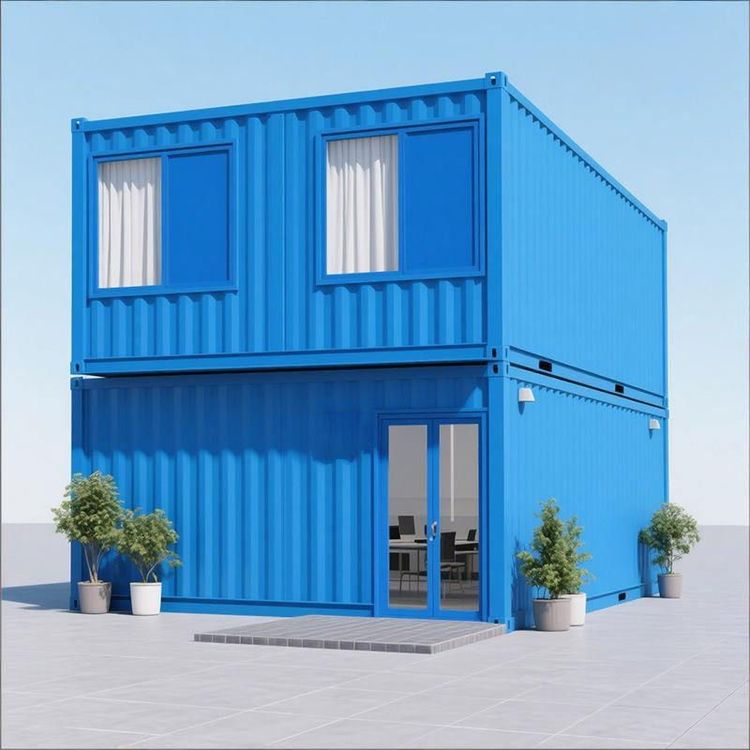
Jiujiang Internet-Famous Container House
The Jiujiang internet-famous container house is a distinctive accommodation form that has emerged in recent years, integrating personalized design, high-quality materials, and a natural experience, becoming a new highlight in the tourism market.

1. Innovative Design with Strong Cultural Integration
The Jiujiang internet-famous container house breaks away from the fixed patterns of traditional accommodations, adopting a highly personalized decoration style. Its design fully explores regional cultural characteristics, such as incorporating local ecological landscapes or historical elements to create unique visual symbols. Meanwhile, through modular combinations, container houses can flexibly adjust their layouts to adapt to different terrains and functional requirements, satisfying tourists' pursuit of novelty and strengthening the dissemination of regional culture.
2. High-Quality Materials, Prioritizing Safety and Comfort
The main structure of the container house is usually made of high-strength steel, possessing wind and earthquake resistance capabilities to cope with complex climatic conditions. The interior decoration uses eco-friendly materials, such as formaldehyde-free panels and soundproof cotton, ensuring indoor air quality. Additionally, some houses are equipped with underfloor heating, fresh air systems, and other facilities, enhancing living comfort while ensuring safety, making them particularly suitable for families or long-term stays.
3. Affordable Prices with Outstanding Cost-Effectiveness
Compared to traditional hotels or homestays, the construction cost of container houses is lower, and the direct-sales model from manufacturers reduces intermediary links, further lowering prices. Their pricing is usually lower than that of high-end homestays in the same area, yet they offer independent spaces and personalized services, making them highly attractive to budget-conscious tourists or young groups. Especially in remote scenic spots or nature reserves, container houses have become representatives of 'high-cost-effective accommodations.'
4. Personalized Style, Aligning with Young Consumer Trends
The exterior and interior designs of container houses emphasize differentiation, such as adopting industrial, minimalist, or retro themes to meet young people's needs for 'check-in photos' and 'unique experiences.' Some houses also incorporate smart technologies, such as voice-controlled lighting and panoramic skylights, enhancing interactivity and fun, making them popular sharing content on social media.
5. Close to Nature, Embracing Environmental Protection Concepts
The houses are mostly decorated with natural materials like raw wood and bamboo, combined with large glass window designs to maximize the introduction of natural light and landscapes. Some projects also integrate green technologies such as solar power generation and rainwater collection systems to reduce energy consumption and achieve harmonious coexistence with the ecological environment. This 'low-impact development' model not only protects Jiujiang's natural resources but also aligns with modern tourists' expectations for sustainable tourism.
6. Prime Locations, Offering In-Depth Local Cultural Experiences
Container houses are usually located in the core areas of scenic spots or near cultural villages, allowing tourists to closely experience Jiujiang's landscapes or folk customs. For example, houses near Mount Lu may incorporate Zen-inspired designs, while projects around Poyang Lake highlight fishing culture elements. This 'living amidst the scenery' experience enables tourists to gain a deeper understanding of local cultural connotations.