
Back to blog
Article
Jishou Container Mobile House
Admin September 15, 2026
Jishou container mobile house is a movable, modular, temporary or permanent building that is either transformed from or directly designed based on containers, featuring easy installation, flexible relocation, and diverse functions. The following is an introduction from three aspects: core characteristics, application scenarios, and purchasing considerations.
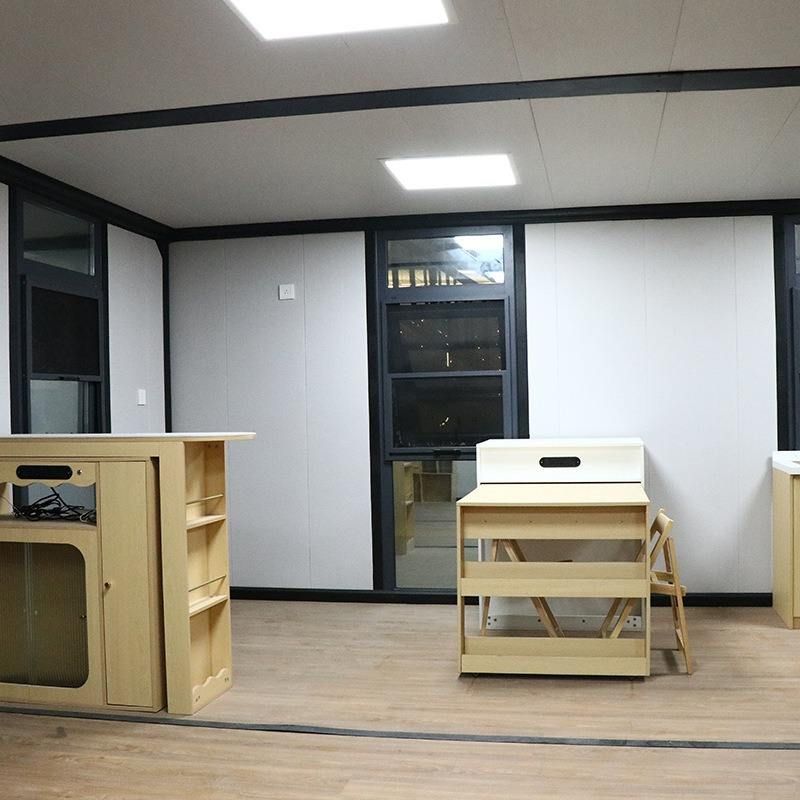
Core Characteristics
- Modularity and Mobility: Using standard containers as units, different-sized spaces can be quickly assembled through splicing and stacking, supporting overall relocation or partial disassembly and reassembly to adapt to changes in site requirements. For example, construction site dormitories can be adjusted according to project progress, and cultural and tourism scenarios can be rearranged with seasonal changes.
- Structural Stability and Durability: High-strength steel frames are used, combined with fire-resistant, moisture-proof, and sound-insulating sandwich panels or galvanized steel materials, providing excellent earthquake and wind resistance. The service life can reach over 20 years. Some products support multiple disassembly and reassembly cycles, with an average of more than 8 disassembly and reassembly times, reducing construction waste emissions by about 90% compared to traditional temporary buildings.
- Functional Customization: The interior space can be configured with water and electricity systems, partitions, doors, and windows according to needs, supporting various functions such as office, accommodation, commercial, and emergency use. For example, solar panels can be added for off-grid power supply, or glass curtain walls can be designed to enhance lighting and aesthetics.
Application Scenarios
- Construction Camps: Used as construction site dormitories, offices, or temporary warehouses, meeting the needs of rapid deployment, low cost, and relocatability.
- Cultural and Tourism Accommodation: Transformed into homestays, coffee shops, sales kiosks, etc., creating unique experience spaces in combination with natural landscapes.
- Emergency Support: In disaster relief, medical support, and other scenarios, serving as temporary command centers, isolation wards, or shelters to quickly respond to needs.
- Commercial Support: Used for mobile shops, exhibition booths, or event venues, reducing site rental costs and enhancing operational flexibility.
Purchasing Considerations
- Process Performance: Prioritize products with non-welding quick-assembly processes to reduce disassembly and reassembly losses and ensure structural stability after multiple relocations.
- Compliance and Qualifications: Verify the manufacturer's production qualifications, domestic and foreign certifications (such as CE, ISO), and project delivery capabilities to avoid delivery risks due to incomplete qualifications.
- Scenario Adaptation: Choose products with high customization flexibility according to the intended use. For example, cultural and tourism scenarios require attention to the exterior's personalized design capabilities, while construction scenarios emphasize rapid installation and low foundation requirements.
- Cost-Effectiveness: Comprehensively evaluate the product's full life cycle costs, including initial procurement, relocation and reuse, and operation and maintenance expenses, prioritizing products with high resource utilization and low carbon emissions.



