
Jinjiang Mobile Toilet Planning
The mobile toilet planning in Jinjiang City covers three main aspects: the upgrading of tourist toilets, the construction of public toilets in parks and blessing paths, and the allocation of mobile toilets for rural cultural and tourism activities. The specific plan is as follows:
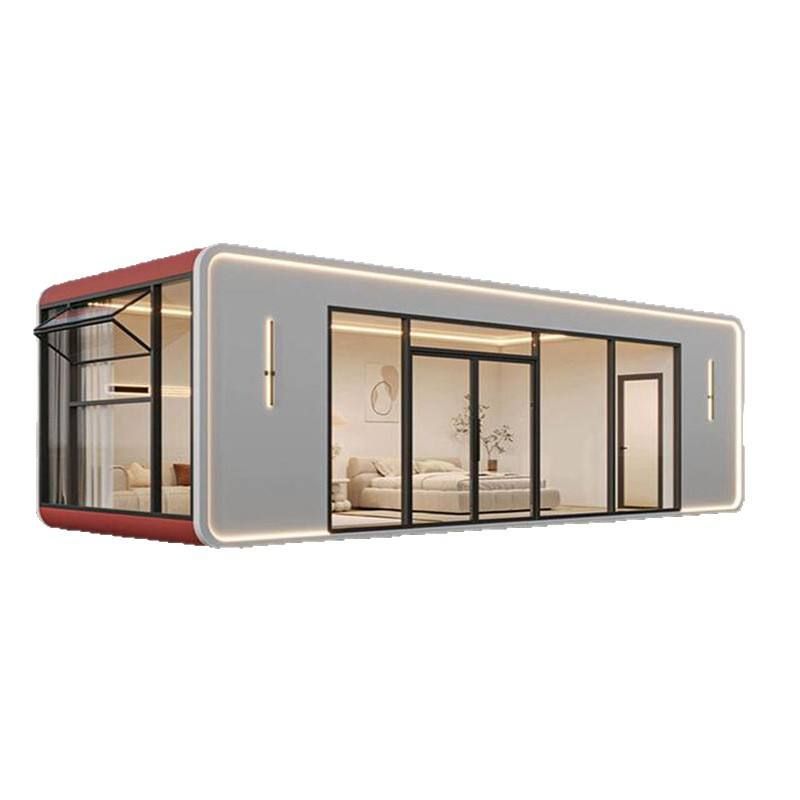
I. Tourist Toilet Quality Improvement Project
According to the Implementation Plan for the Quality Improvement Project of Tourist Toilets in Jinjiang City (2024-2025), by the end of 2025, the total number of tourist toilets in the city will reach 38, with 8 toilets upgraded through new construction, renovation, and expansion. Among them, 3 are planned to be completed in 2024 and 5 in 2025. The project focuses on improving toilet hygiene standards, facility completeness, and management service levels, such as adding barrier-free facilities, optimizing the ratio of male to female toilet stalls (reaching 1:1.5 in some scenarios), and introducing intelligent management systems to meet the growing quality demands of tourists.
II. Construction of Public Toilets in Parks and Blessing Paths
The allocation of public toilets in parks and blessing paths follows the principle of "adapting measures to local conditions":
- Permanent Buildings: In areas with good site conditions and satisfactory water, electricity, and sewage disposal facilities (such as urban parks and squares), permanent public toilets are constructed to ensure long-term service capabilities.
- Ecological Prefabricated Public Toilets: For blessing paths with limited land use, such as mountainous, forested, and wetland areas, modular ecological public toilets are adopted. These toilets feature a simple design and incorporate local cultural elements (such as Minnan red brick patterns), balancing environmental protection and aesthetics.
- Optimization of Service Radius: The layout of public toilets strives to meet a service range of 500 to 1000 meters, reducing the problem of "difficulty in finding toilets" for tourists. The next step will involve a comprehensive inspection of the current status of public toilets in municipal parks and green spaces, promoting the renovation and upgrading of old facilities to enhance user comfort.
III. Allocation of Mobile Toilets for Rural Cultural and Tourism Activities
For temporary activities such as rural fruit picking and festivals, the allocation of mobile toilets needs to balance efficiency and humanization:
- Dynamic Calculation of Quantity: The allocation standard is determined based on the number of visitors. For example, for an activity with 2000 people, it is recommended to allocate 8-10 mobile toilets (with a male to female ratio of 1:1.5), or refer to the industry standard of at least 3 toilets per 500 people, with additional backups during peak hours.
- Scientific Site Selection: Priority is given to setting up toilets in areas where tourists gather (such as within 200 meters of parking lots and main stages), while avoiding water source protection areas to prevent pollution. Clear signs and isolation belts are provided to guide the flow of people.
- Customized Functions: In addition to basic sanitary facilities, barrier-free toilets (at least 1), nursing rooms, or children's compartments are added; some scenic spots are equipped with mobile toilets with handwashing stations to enhance the experience. The requirements need to be clarified with the service provider before leasing.
- Refined Management: The equipment status is checked 24 hours before the activity, and usage is inspected and recorded every 2 hours during the activity; if the queue exceeds 10 minutes, backup equipment is immediately deployed or additional guides are sent; the toilets are removed and cleaned within 48 hours after the activity to avoid environmental impact.



