
Jinhua Rural Tourism Mobile Toilet
If Jinhua rural tourism venues need to install mobile toilets, they can select appropriate solutions based on the local application scenarios and technical characteristics of mobile toilets.
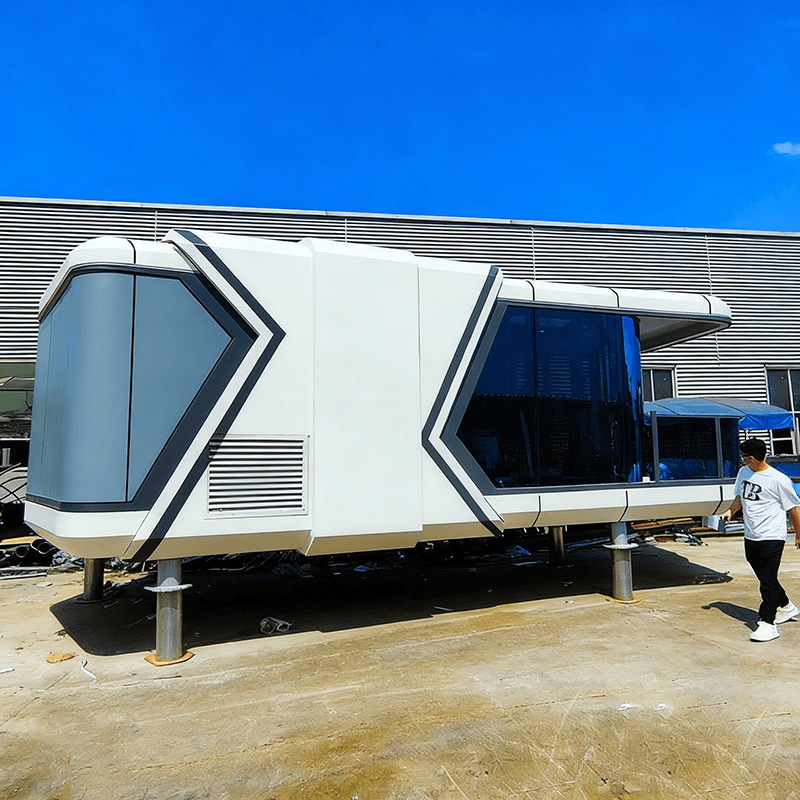
Mobile toilets in the Jinhua area have a wide range of application scenarios, covering crowd-gathering events, construction sites, and emergency shelters. Their technical routes and configuration models can serve as references for rural tourism venues. Depending on different needs, the following directions can be considered:
1. Type and Material Selection
Jinhua mobile toilets offer various types, including eco-friendly and luxury models, with materials such as stainless steel, steel structures, and aluminum alloys. Rural tourism venues can choose based on visitor traffic and budget:
- Eco-friendly type: Suitable for scenarios with limited budgets and a focus on ecology, using water-saving or microbial degradation technologies to reduce sewage discharge;
- Luxury type: If targeting high-end markets or hosting group tourists, mobile toilets equipped with air conditioning and independent bathrooms can enhance the experience;
- Material selection: Steel structures are highly durable and suitable for long-term use; aluminum alloys are lightweight and easy to transport, ideal for short-term events.
2. Technical Route Adaptation
Based on the water availability and environmental requirements of rural tourism venues, the following technologies can be selected:
- Water-saving type: Reduces water consumption through a recirculating water system, suitable for areas with limited water resources or drought-prone regions;
- Foam-sealing type: Uses foam to cover excreta, suppressing odors and reducing flushing volume, with relatively low maintenance costs;
- Microbial degradation type: Decomposes excreta through microorganisms, achieving pollution-free discharge, suitable for ecologically sensitive areas.
3. Rental Model and Demand Assessment
If rural tourism venues only require short-term use (e.g., during peak visitor seasons on holidays), they can refer to the rental model for temporary mobile toilets. Prior assessment is needed:
- Event scale: Determine the number of toilets based on average daily visitor traffic, generally allocating one toilet per 50-100 people;
- Duration: For short-term events, renting is an option; for long-term use, purchasing is recommended to reduce costs;
- Location planning: Place toilets in concentrated visitor areas (e.g., near restaurants and parking lots) to avoid inconvenience due to excessive distance.
4. Additional Features to Enhance Experience
Some mobile toilets are equipped with solar lighting and barrier-free facilities, further optimizing the user experience:
- Solar lighting: Reduces energy consumption, suitable for rural tourism venues open at night;
- Barrier-free design: Facilitates use by the elderly or those with mobility impairments, reflecting humanized service.
By reasonably selecting types, technical routes, and additional features, Jinhua rural tourism venues can efficiently address toilet needs while balancing environmental protection and user experience.



